
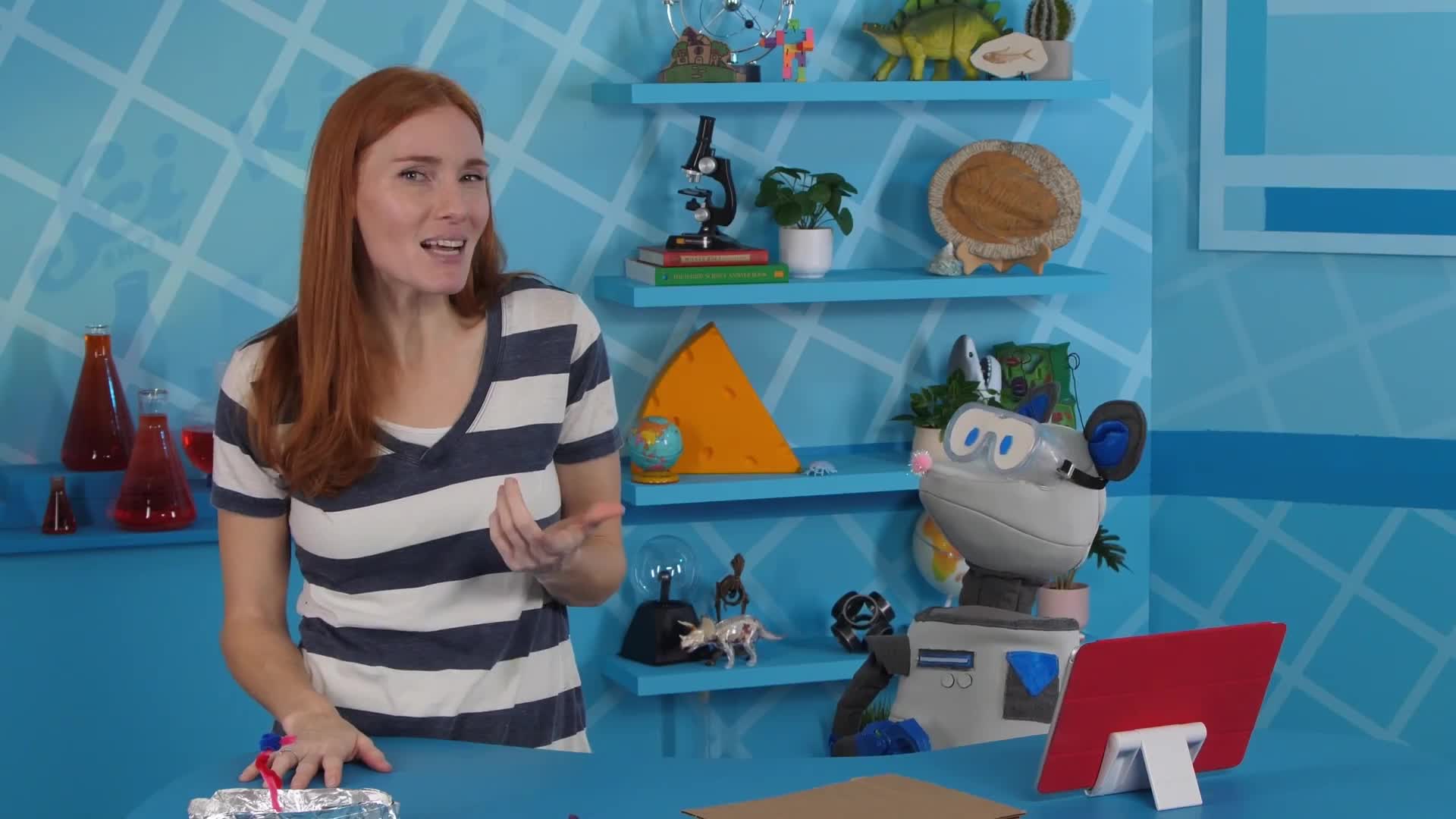
[Engineering Success: Designing a Raft for Juniper]-[Think Like an Engineer: The BEST Solution! _ SciShow Kids]
📋 Summary
Engineering Success: Designing a Raft for Juniper
In this episode, the team at the fort faces a classic engineering challenge: Juniper needs a safe way to enjoy the lake, but she is too small to swim and lacks a boat. The group decides to embark on an "Operation Save Juniper's Vacation" project, applying the scientific method and engineering principles to design a functional raft.
The Engineering Design Process: From Prototypes to Testing
An essential part of engineering is moving from initial drawings to creating a prototype—a special model used to test whether a design effectively solves a problem. Juniper, Squeaks, and Sam each developed unique prototypes, evaluating them against three key criteria: the raft must float, be the right size, and ensure Juniper’s safety.
Analyzing the Prototypes
- The Aluminum Foil Raft: While it successfully floated, the bowl-like shape lacked stability. When the water became "rough," the raft "tipped over," failing the safety requirement.
- The Craft Stick Raft: This design featured a flat shape and a handle. While it "floats really well," it proved to be "a little too small," causing concerns about comfort and the ability to hold on securely.
- The Cardboard and Cork Raft: This model initially offered a "wide, flat shape" with plenty of room. However, it suffered a structural failure as the "cardboard gets wet and starts to sag and fall apart," making it unsuitable for a full day of play.
Iteration: Learning Through Failure
None of the initial designs were perfect, but as the team learned, "engineers rarely expect their designs to be just right the first time." Instead of giving up, the team embraced the iterative nature of engineering. They recognized that testing and comparing ideas allows for improvements. By analyzing the failures—such as the sogginess of the cardboard and the instability of the foil—they were able to synthesize a superior design.
Creating the Final Solution
By combining the best attributes of their previous models, the team developed an improved design:
- Material Choice: Using craft sticks ensured the structure would not get "soggy."
- Structural Geometry: They adopted a "wide and flat" shape to provide ample space for Juniper.
- Buoyancy and Stability: Incorporating corks kept the raft "nice and high above the water," while adding sides helped prevent Juniper from "falling off the raft" in rough conditions.
Conclusion: The Value of Thinking Like an Engineer
Although the discovery that Dr. Turtleman had the original boat all along rendered the project technically unnecessary for the trip, the experience was far from a waste. The team realized that the true value lay in the process: "I had fun thinking like an engineer." Ultimately, the team succeeded in their collaborative effort, proving that by testing, learning, and refining, any problem can be solved with a thoughtful engineering approach.

Deep Learning with ListenLeap


