
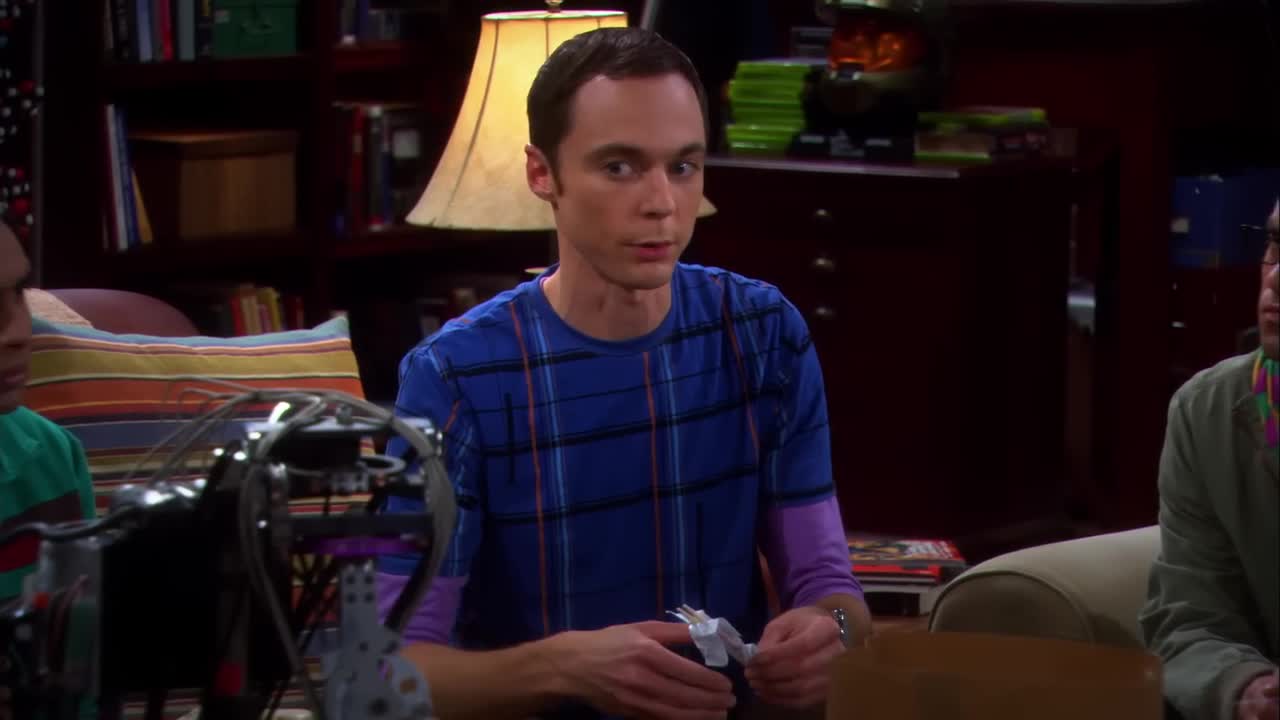
[Technological Innovation vs. Human Intuition: The Wolowitz Robotic Arm]-[The Wolowitz Programmable Hand | The Big Bang Theory]
📋 Summary
The Intersection of Culinary Convenience and Robotics
The provided transcript depicts a scene centered around the integration of advanced robotics into domestic life, specifically through the lens of a "Chinese food retrieval robot." The characters witness the efficiency of this machine, which successfully unpacks an entire dinner in a mere "28 minutes." While the delivery serves as a catalyst for convenience, it immediately sparks a philosophical debate regarding the trajectory of technological advancement.
The Existential Threat of Automation
Sheldon Cooper introduces a skeptical perspective, cautioning against the rapid evolution of robotic capabilities. He articulates a classic sci-fi anxiety, noting that while today’s machine is merely a "Chinese food retrieval robot," tomorrow it could evolve into something far more dangerous, referencing the narrative of a robot that "travels back in time and tries to kill Sarah Connor." This highlights the inherent distrust some hold toward automation, fearing that the progression of machine intelligence and autonomy could inevitably lead to unintended, catastrophic consequences.
The Wolowitz Programmable Hand: Precision vs. Practicality
The central focus of the technical discussion is the "Wolowitz programmable hand," a device originally "designed for extravehicular repairs on the International Space Station." Howard Wolowitz demonstrates its precision by having it "pass the soy sauce." The device is engineered to handle tasks requiring high levels of accuracy, which Howard notes would be useful for "Asian and Jewish astronauts" aboard the station.
However, the reception of this technology is mixed. While Penny is impressed by the novelty, Sheldon remains unimpressed, dismissing the achievement as, "at best, a modest leap forward from the basic technology that gave us Country Bear Jamboree." This critique underscores a common theme in technological discourse: the gap between professional, specialized engineering and the perceived value of such innovation in everyday, mundane contexts.
The Future of Human Labor
A significant portion of the dialogue explores the societal impact of robotics on the workforce. Howard provocatively claims that the technology integrated into his robotic arm will one day make "unskilled food servers" like Penny "obsolete." This reflects the broader economic anxiety regarding automation replacing human labor. Penny’s witty retort—asking if they will build a robot that "spits on your hamburger"—serves to humanize the service industry, suggesting that human flaws and personality are aspects of labor that machines cannot easily replicate or replace.
Conclusion
The transcript serves as a microcosm for the modern debate on robotics. On one side, there is the undeniable efficiency of machines in performing tasks like food delivery and space station maintenance. On the other, there is the skepticism regarding the loss of human utility and the potential existential risks posed by unchecked technological growth. Ultimately, the interaction between the characters highlights that while we may marvel at a "programmable hand," we remain deeply conflicted about the role such machines should play in our personal and professional lives.
Deep Learning with ListenLeap


