
[The Deceptive Escape of Mr. Toad: A Study in Impulsive Character]-[The Wind in the Willows - Part 11]
📋 Summary
The Deceptive Escape of Mr. Toad
The Art of Manipulation
The narrative begins with a classic display of Toad’s manipulative nature. Rat, acting as a caretaker, approaches Toad’s bedside, only to be met with a performance of profound illness. Toad utilizes a "feeble voice" to convince Rat that he is nearing the end, urging him to fetch both a doctor and a lawyer. This strategic deception is designed to exploit Rat's kindness and sense of duty. Rat, described as "scared" and "alarmed," fails to see through the facade, eventually locking the door to ensure Toad’s safety—a move that ironically facilitates Toad’s escape.
The Great Escape
As soon as the key turns in the lock, Toad’s "feeble" persona evaporates. He hops "lightly out of bed," demonstrating that his previous frailty was merely a ruse. After dressing in his "smartest suit" and securing cash, he executes a daring exit by "knotting the sheets together." This act of rebellion marks a shift from a captive patient to a free, albeit misguided, adventurer. His departure is characterized by a "merry tune," underscoring his lack of remorse for the worry he has caused his friends.
Hubris and Arrogance
Toad’s journey away from home is marked by an inflated sense of self-importance. As he walks, he reflects on Rat with condescension, labeling him a "worthy fellow" but one with "very little intelligence." These "mean thoughts" reveal the core of Toad’s character: an inability to appreciate genuine friendship or recognize the gravity of his own problematic behavior. He views himself as superior, even while his actions—specifically the manipulation of his friends—demonstrate a profound lack of moral maturity.
The Irresistible Impulse
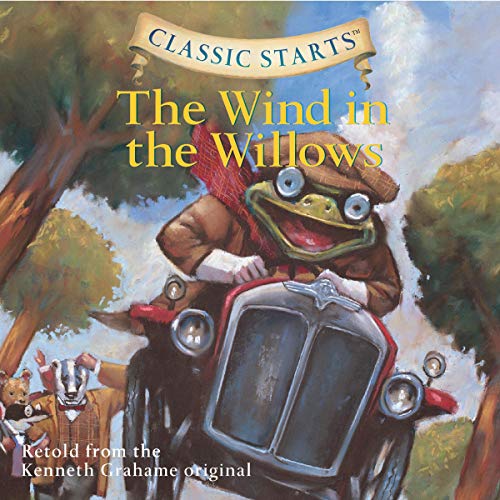
Toad’s downfall begins at the inn of the "red lion." Despite his earlier troubles, his obsession with motorcars remains his defining weakness. Upon hearing the "boop-boop" sound of a passing vehicle, Toad is physically overcome by excitement, having to "hold on to the leg of the table" to control himself. This moment highlights the loss of agency Toad experiences when confronted with his obsession.
The Cycle of Transgression
In the final sequence, Toad’s descent into his old habits is described "as if in a dream." The narrative notes that "all sense of right and wrong seemed suspended" as he enters the driver’s seat. The imagery of the car that "devoured the street" mirrors Toad’s own voracious appetite for thrill-seeking. By the end of the chapter, Toad has fully reverted to his former identity, described as "Toad the terror," signaling that his brief period of reflection or confinement has failed to reform his impulsive nature.

Deep Learning with ListenLeap


