
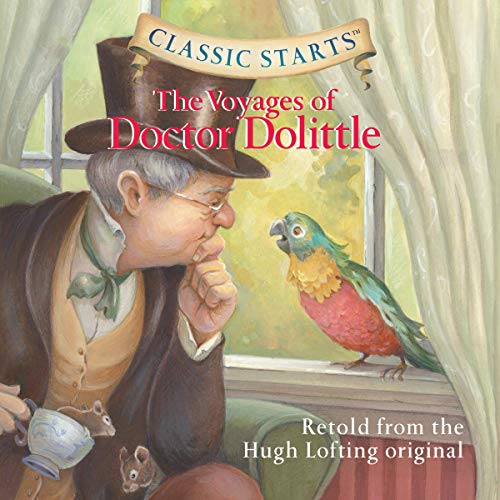
[The Extraordinary Practice of Dr. Doolittle: Bridging the Gap Between Humans and Animals]-[The Voyages of Doctor Dolittle - Part 04]
📋 Summary
The Expansion of Dr. Doolittle's Practice
Following the butcher’s efforts to "spread the word," Dr. Doolittle’s reputation as a healer of animals grew exponentially. His clinic became a hub for a diverse array of distressed creatures, ranging from "poodles who had eaten too much cake" to "sick cows and sheep" and "cats with the sniffles." This newfound success brought Dr. Doolittle immense personal satisfaction, as he finally found his true calling in serving those who had previously been misunderstood.
The Plow Horse and the Need for Understanding
The turning point in his practice occurred when a "plow horse" sought his help. The horse revealed a profound frustration with traditional veterinarians, noting that "the first vet they took me to knew nothing at all." While the vet had been treating the horse for headaches, the animal correctly identified his own ailment: "What I really need is glasses. I'm going blind in one eye."
Dr. Doolittle’s willingness to listen validated the horse's perspective. By providing the horse with custom "green glasses" to "block the sun," the doctor demonstrated that animal welfare requires genuine communication. The horse’s observation that "the trouble with most vets is that they think everything they do is correct because the animals don't complain" highlights the fundamental flaw in human-animal interactions: the lack of attention paid to the animals' own experiences. Dr. Doolittle’s gentle reminder to "try to be patient" and remember that "most people mean well" underscores his compassionate approach to bridging the gap between species.
A Global Reputation and Organizational Success
As word spread from "one county to the next," the doctor’s clinic transformed into a sanctuary. The sight of animals wearing medical aids—such as "dogs wearing casts," a "cat walking with a crutch," and a "goat wearing a monocle"—became common in Puddleby. The influx of patients became so significant that Dr. Doolittle had to "organize them all," creating specific entrances for "horses," "cows," "sheep," and even a "tiny entrance" for mice. This systemic approach allowed him to manage the constant flow of creatures from the forest, including "badgers, bats, squirrels, wolves, owls, and foxes."
Philosophical Reflections on Human Arrogance
The narrative concludes with a poignant dialogue between Dr. Doolittle and his companion, Polynesia the parrot. Polynesia reflects on the irony of human-animal relations, noting that humans "spend so much time with animals, but the only thing they've learned is that a dog wagging his tail means he's happy."
Polynesia points out a deeper contradiction in human nature: despite their physical limitations—such as being unable to "fly" or "stay underwater for long periods of time"—humans "still think they are better than everything else around them." Dr. Doolittle’s admission that he has "often wondered the very same thing" serves as a critique of human hubris. Through his work, Dr. Doolittle challenges the status quo, suggesting that true wisdom lies not in dominion over other creatures, but in the humility required to learn their language and respect their needs.

Deep Learning with ListenLeap


