
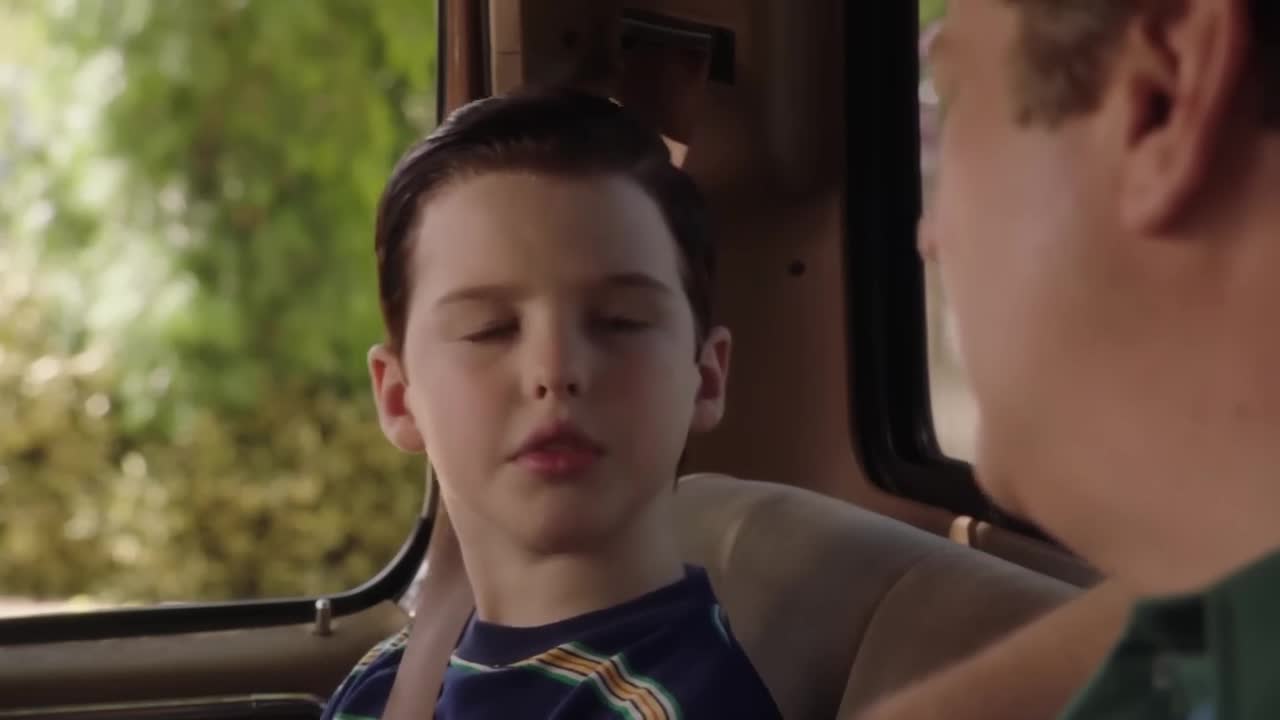
[The Fallout of Deception: A Family Crisis Unfolds]-[The Time Sheldon Lost All Respect for His Dad | Young Sheldon]
📋 Summary
The Burden of Secrecy
The narrative begins with a tense confrontation between Shion and another character, highlighting the emotional toll of maintaining a shared secret. Shion expresses a shift in perspective after a "first good night's sleep in a week," leading to a moment of disillusionment. She explicitly states, "It was irresponsible of you to burden me with that secret," marking a clear transition in their relationship. Previously, she viewed this person as a "role model," but she now admits, "I can't do that anymore." This sets the stage for a broader theme of integrity and the consequences of keeping hidden truths.
The Discovery of Misconduct
The tension escalates when a missing check, noticed by Sheldon during tax preparations, forces a confession. The family dynamic is immediately destabilized as the characters press for the truth. What follows is a series of revelations that expose a chain of poor decisions, starting with the admission: "I got a DWI." The gravity of this statement is initially softened by the claim that "it's not as bad as it sounds," but the reality is far more complex.
A Comedy of Errors at the Dog Track
The core of the conflict revolves around a visit to the dog track. The situation is described as a "complicated" series of events involving Meemaw and Georgie. It is revealed that Meemaw "had a few too many margaritas," necessitating that Georgie, who "doesn't have a license," take the wheel. The attempt to conceal the truth from the mother is summarized by the group's unanimous admission that they decided to "keep this from me" because they felt it was necessary.
The Aftermath and Moral Conflict
The resolution—or lack thereof—is marked by the mother’s swift disciplinary action, ordering them to stay at Meemaw's house "until I say otherwise." Despite the severity of the situation, the dialogue concludes with a dark, humorous twist. One character argues that "one could argue I was a hero in this story," despite the fact that they "went gambling, and you drove without a license, and you lied to my face." This ironic self-justification underscores the absurdity of the situation. The mother’s frustration is palpable, yet the final comment, "I love everything about this," suggests that while the family is in a state of chaos, the characters remain deeply entrenched in their dysfunctional patterns, unable to fully grasp the weight of their own "heroic" misconduct.

Deep Learning with ListenLeap


