
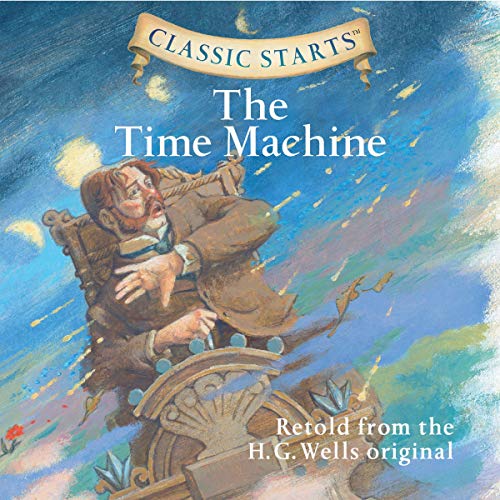
[The Bond with Weena and the Shadow of the Unknown]-[The Time Machine - Part 09]
📋 Summary
The Rescue and the Beginning of a Bond
The narrator’s arrival in the future is marked by a profound sense of isolation, which begins to dissipate through a pivotal act of heroism. While observing the Eloi bathing in the river, the narrator witnesses a young woman being carried downstream by the current. The passivity of the other Eloi, who merely "watched as the friend cried for help," highlights their lack of instinctual preservation or community support. The narrator intervenes, wading into the river to grab the "young Eloi's arm." After rescuing her and allowing her to recover in a "shady spot," the narrator establishes a connection that transcends their vastly different origins. Later that day, the young woman—who the narrator identifies as Weena—returns with "handfuls of flowers." This gesture of gratitude and affection serves as a beacon of comfort, alleviating the narrator's feelings of being "lonely since arriving in the future."
The Dynamics of Companionship
The relationship between the narrator and Weena quickly develops into a close, albeit complex, companionship. Weena becomes a constant presence, attempting to join the narrator on "hikes" throughout the countryside. Despite the narrator's initial reluctance—fearing she would not be able to "keep up"—the emotional weight of their bond becomes clear. When the narrator forces her to stay home, she becomes "very upset," yet their reunion at the end of the day evokes a deep sense of belonging, as the narrator remarks, "It made me feel like I was coming home."
The Eloi’s Fear of the Dark
As the narrator integrates into this society, they uncover a critical behavioral pattern among the Eloi: an inexplicable and pervasive "fear of the dark." While the Eloi are characterized as "happy and carefree during the day," their demeanor shifts dramatically at sunset. They retreat into "great buildings" to avoid the night, and the narrator notes that they "never once saw one outside after sunset." Furthermore, the Eloi exhibit signs of distress regarding solitary sleep. They are "quite upset" when the narrator chooses to sleep alone and become "frantic" if the narrator enters their communal sleeping rooms at night without a light. This collective anxiety suggests a deep-seated, perhaps ancestral, dread of the nocturnal world.
The Ghostly Apparitions
The mystery of the future deepens when the narrator experiences a disturbing pre-dawn encounter. After waking from a nightmare about "sea creatures," the narrator spots mysterious figures near a hill. These beings are described as "large apes" that are "as white as ghosts." The narrator’s attempt to rationalize these sightings as a potential hallucination or a "joke" about "ghosts" belies a growing internal sense of unease. Despite the narrator's attempt to dismiss the event as "imagination," the disappearance of these creatures into the bushes as the sun rises leaves the narrator feeling "worried about these new beings." This encounter introduces a sinister element to the narrative, suggesting that the tranquil world of the Eloi is haunted by a hidden, predatory presence that operates in the shadows, waiting for the light to fade.

Deep Learning with ListenLeap


