
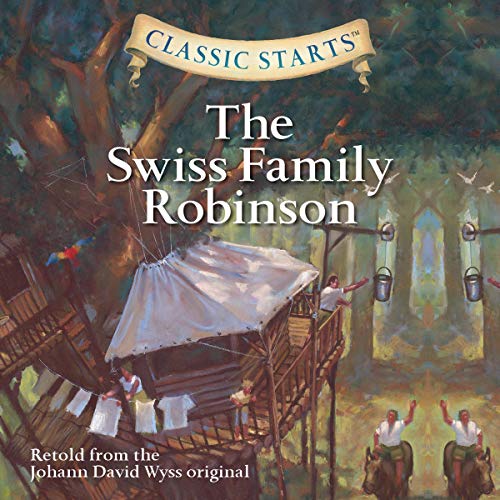
[Survival and Innovation: Mastering Island Life in the Swiss Family Robinson]-[The Swiss Family Robinson - Part 09]
📋 Summary
The Fruits of Exploration and Discovery
Following their arrival in the wilderness, the narrator and his son Fritz dedicate their time to systematic exploration, specifically venturing into the Calabash Wood. During these excursions, they identify a specific plant species whose berries are essential for producing wax. The process of boiling these berries to "scoop out the wax" enables the family to create their own candles. This achievement marks a significant milestone in their settlement at Falconhurst, as the narrator notes, "for the first time, we had light at night," transforming their living conditions and providing a newfound sense of comfort.
Beyond basic lighting, the pair discovers a "gummy syrup" exuding from a tree, which they correctly identify as "rubber." This discovery is pivotal for their long-term survival, as it provides a material for essential goods, notably footwear. The narrator describes a meticulous process of crafting rubber boots by creating clay molds around sand-filled socks and layering the rubber until it hardened, successfully addressing the issue of the boys' clothing being "in tatters" due to their rigorous daily activities.
Practical Innovations and Domestic Progress
Life on the island is characterized by the transformation of mundane tasks into major accomplishments. The family experiments with producing butter by shaking cream in a gourd, a process that yields "perfect butter" and fills the family with "great joy" for items they had previously "taken for granted." These domestic efforts are balanced with rigorous physical education, as the narrator observes that his regular Sunday lessons in swimming and climbing ensure the boys become "very strong over time."
Security remains a primary concern, leading the family to fortify their tent home. To prepare for any potential "attack by man or animal," they plant a "prickly hedge" as a perimeter barrier and mount two guns at the entrance. This defensive strategy reflects the narrator’s foresight in ensuring the safety of his family against the unpredictable threats of their environment.
The Final Departure from the Past
As the family grows more self-sufficient, the narrator decides to address the remaining link to their previous life: the shipwreck. Recognizing the need for additional supplies and the necessity of closure, he leads the older boys on a final expedition to the wreck. They salvage remaining materials and rig the ship to be destroyed. The conclusion of this chapter is marked by a dramatic "explosion," where a "giant pillar of fire rose up with a massive roar." The destruction of the ship serves as a symbolic severing of their ties to "old Switzerland" and their "former home," signaling their total commitment to their new existence on the island. By turning their backs on the wreckage, the family fully embraces their role as pioneers in their new, self-made world.

Deep Learning with ListenLeap


