
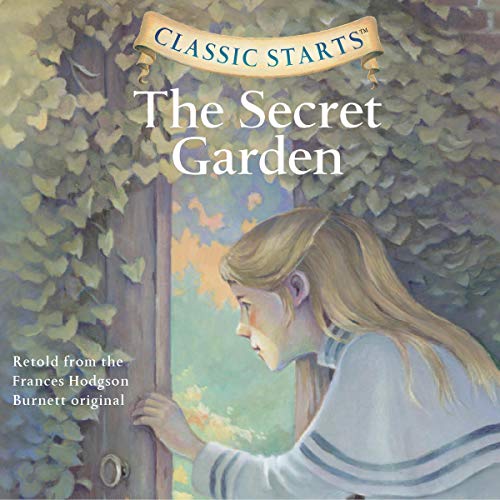
[The Alchemy of Growth: Colin's Scientific Discovery of Magic]-[The Secret Garden - Part 23]
📋 Summary
The Alchemy of Growth: Colin's Scientific Discovery of Magic
In the heart of the secret garden, a profound transformation unfolds, one that transcends mere horticulture and enters the realm of the metaphysical. As the narrative progresses, the garden becomes a crucible where the seeds of nature and the spirits of the children intertwine, leading to what Colin Craven characterizes as a "scientific experiment" involving the mysterious power of "magic."
The Philosophy of the Garden
Ben Weatherstaff, once a gruff observer, becomes a vital bridge between the past and the present. By sharing memories of Colin’s mother—a woman who loved plants that "could almost touch the sky" and found the "blue sky always looked so joyful"—he grounds the children in a legacy of optimism. This connection to the past serves as the emotional bedrock for the children's growth, suggesting that the garden is not just a place of physical cultivation, but a sanctuary for healing the soul.
The Scientific Experiment: Harnessing Magic
Colin’s approach to his recovery is uniquely analytical. He views his own healing not as a miracle, but as a "scientific discovery" akin to how "scientists study electricity." By orchestrating a ritual where Mary, Dickon, and Ben sit in a circle, Colin attempts to codify his belief system. He tasks his companions with repeating affirmations: "magic is in me," "magic is making me well," and "magic is making me as strong as Dickon."
This act of collective chanting, centered on the mantra "Being alive is the magic," marks a pivotal shift in Colin’s agency. He moves from a state of perceived invalidism to one of active participation in his own vitality. The garden, with its "squirrels, the fox and the lamb," provides the backdrop for this empowerment, reinforcing the idea that the life force within Colin is part of a larger, interconnected natural order.
The Physical Manifestation of Will
The culmination of this experiment is Colin’s attempt to walk the perimeter of the garden. Supported by Dickon and Mary, and followed by the watchful Ben, Colin manages to traverse the space. Every time he cries, "I did it! The magic worked!" he is validating his own internal strength. This physical feat represents the transition from the "mysterious" nature of his illness to the tangible reality of his recovery. His declaration that "the magic is in all of us" serves as a democratizing force, stripping away the exclusivity of his previous suffering and replacing it with the universal potential for strength.
Future Aspirations and the Return of the Father
Colin’s vision for his future is one of controlled secrecy and grand ambition. He insists that "Dr. Craven mustn't know" until he can present himself to his father, fully restored, as a boy who is "well and will live to be a man." This anticipated homecoming is the ultimate goal of his experiment—a moment of triumph where he will walk into his father's study, shattering the previous narrative of his frailty.
While Ben suggests the boy might become a "champion prizefighter of England," Colin remains steadfast in his identity, asserting, "I shall be a scientific discoverer." This choice of identity is significant; it reflects a boy who values the intellectual understanding of his own existence over mere physical prowess. Ben’s reaction—his "eyes twinkled with delight"—encapsulates the joy of the observer witnessing a genuine resurrection of spirit. The garden, through this blend of scientific inquiry and natural wonder, has successfully transformed a boy who was once defined by his limitations into one who is defined by his infinite potential.
Deep Learning with ListenLeap


