
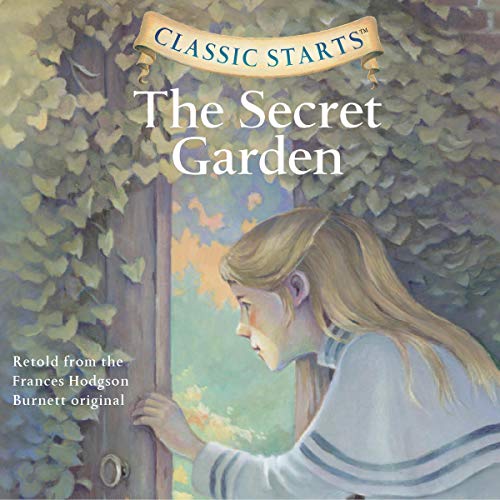
[The Awakening of the Secret Garden and the Plan for Colin]-[The Secret Garden - Part 16]
📋 Summary
The Rejuvenation of the Secret Garden
Following a week of relentless rain, the atmosphere in the manor shifts dramatically as the skies clear. Mary Lennox, feeling the pull of the natural world, observes that "the world was waking up." As she steps outside, she notes that "the grass had turned green" and "little shoots were sprouting in every flowerbed," signaling the vibrant return of spring. This rejuvenation serves as a metaphor for the internal changes occurring within the children, particularly the newfound vitality Mary has discovered through her connection with the garden.
An Unexpected Encounter with Nature
Upon arriving at the secret garden, Mary is greeted by a "big, blue, black bird" perched on the "ivy-covered wall." This encounter introduces the reader to the whimsical reality of Dickon’s world. Inside the garden, she finds Dickon surrounded by his animal companions: a "fox cub" named Captain and a crow named Soot. These creatures, who "followed me across the moor," display an uncanny lack of fear toward Mary, reinforcing the idea that the garden is a sanctuary where the boundaries between human and nature are dissolved. Dickon’s ability to commune with these animals highlights his role as a bridge between the wild moor and the isolated lives of the children.
The Burden of Colin’s Secret Life
Mary shares the progress she has made with Colin, noting that since they met, he "hadn't had a crying fit" and that her presence makes him "forget about being ill and die." However, the conversation turns to the somber reality of Colin's existence. Dickon reveals that the local people are aware of Colin’s illness and that Mr. Craven, overwhelmed by grief, "can't bear to see his son while he's awake" because the boy "reminds him of his wife." This revelation provides deep insight into the cycle of neglect and sorrow that has defined Colin’s life.
The Psychological Barriers to Healing
Perhaps the most poignant part of the discussion is the exploration of Colin’s psychological state. Mary explains that Colin is terrified of growing a "hunchback" and constantly "feels his back for lumps." His belief that he will "scream himself to death" if he finds one demonstrates how his fear and obsession with his own mortality have become physical manifestations of his illness. Dickon astutely observes that "he'll never get well if he keeps thinking like that." The proposed solution is to immerse Colin in the sensory experience of the garden, where he would be forced to "watch the buds break out and the flowers bloom" instead of dwelling on his perceived physical deformities.
The Path to Integration
As the chapter concludes, Mary and Dickon solidify their plan to bring Colin into the garden. They believe that if Colin were to experience the life-giving energy of the space, he would no longer wish he had "never been born." By utilizing Colin’s authority to "order the gardeners and everyone to stay away," they believe they can maintain the secrecy of their sanctuary while providing him with the healing environment he desperately needs. The mutual trust established between Mary and Dickon serves as the foundation for this ambitious goal, marking a turning point where they stop being passive observers of their circumstances and begin actively shaping Colin’s recovery.
Deep Learning with ListenLeap


