
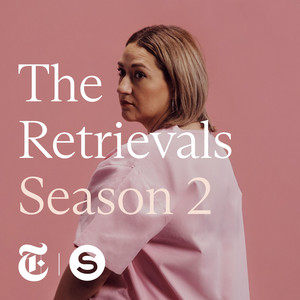
[The Retrievals Season 2: Uncovering the Reality of Pain in Medical Settings]-[The Retrievals, Season 2 - Trailer]
📋 Summary
The Retrievals Season 2: A Deep Dive into Medical Negligence and Patient Pain
Introduction: Bridging the Gap in Healthcare Communication
The podcast transcript opens with a dual focus: a public service message regarding Alzheimer's detection and, more prominently, the announcement of the second season of The Retrievals by Serial Productions. Hosted by Susan Burton, this season shifts its gaze from the events of the previous installment to a harrowing investigation into the experiences of patients undergoing C-sections. While the first season explored the theft of fentanyl, this new iteration functions as a "thematic cousin," focusing on a pervasive issue within medical institutions: the dismissal of patient pain.
The Core Conflict: When "Pressure" Masks Severe Pain
The central narrative of this season revolves around a disturbing reality: women undergoing C-sections who report feeling the surgery, only to have their agony dismissed by medical professionals as mere "pressure." Burton highlights a recurring sentiment from listeners who reached out after the first season, noting that many shared stories of "pain a doctor didn't listen to" or "pain a doctor didn't adequately treat."
One harrowing testimonial featured in the trailer describes a patient who could "feel the incision" and the physical sensation of doctors "taking my organs out and moving them." Despite the patient explicitly stating, "I feel everything," the medical staff insisted it was only pressure, even suggesting that if it were true pain, the patient would "pass out." This gaslighting effect is a critical point of the narrative—the patient knows their own body, yet their testimony is invalidated by the perceived authority of the medical staff.
Systemic Awareness vs. Patient Reality
A chilling aspect of the investigation is the discrepancy between what patients know and what medical professionals witness. The transcript includes perspectives from medical staff who admit that during their residency, they were conditioned to believe that "C-sections are going to hurt" and that "pressure's normal."
This normalization creates a dangerous environment where, as one medical professional notes, they initially found it impossible to believe a patient could feel everything, questioning, "Who would let that happen?" Yet, the show reveals that this is not an anomaly. It is a documented, systemic occurrence that doctors and nurses are aware of, yet it remains largely hidden from the patients themselves until they are on the operating table.
The Narrative Approach: A Taut Medical Drama
Susan Burton, inspired by shows like The Pit and ER, presents this season as a "taut medical drama." By focusing on a group of doctors and nurses in a Chicago hospital, the podcast explores the moral and professional environment that allows such "excruciating surgery" to proceed without full anesthesia. The show aims to move beyond the specific incident to address the broader culture of medical dismissal.
Conclusion: Why This Story Matters
The Retrievals Season 2 serves as a vital exposé on the lack of empathy and the failure of communication in modern medicine. By centering the voices of those who were told their agony was just "pressure," the series forces a confrontation with the uncomfortable truth that medical practitioners sometimes prioritize their own clinical assumptions over the lived experience of their patients. As the release approaches, the podcast stands as a testament to the importance of listening—truly listening—when a patient says, "I feel everything."
Deep Learning with ListenLeap


