
[The Evolution of Education: Reclaiming Play as a Pathway to Learning]-[The missing ingredient in how we learn]
📋 Summary
The Historical Conflict Between Play and Pedagogy
The modern perception of education is heavily influenced by the Prussian model, which emerged in 1851 when the government banned Friedrich Froebel’s original "Kindergarten." Fearing that Froebel’s focus on "singing and dancing, gardening, painting, and playing" would foster "disobedience" and "peasant rebellion," the Prussian authorities enforced a rigid system that strictly "separated learning time from playtime." This established a long-standing belief that "play and learning are at odds with each other." However, this is a relatively modern construct, as children historically learned through "observing and mimicking adults" and self-directed exploration.
Modern Pedagogical Models: Montessori and Reggio Emilia
Several educational philosophies have emerged to challenge the traditional, lecture-based model by re-centering self-directed learning.
Montessori: Rigorous Material-Based Learning
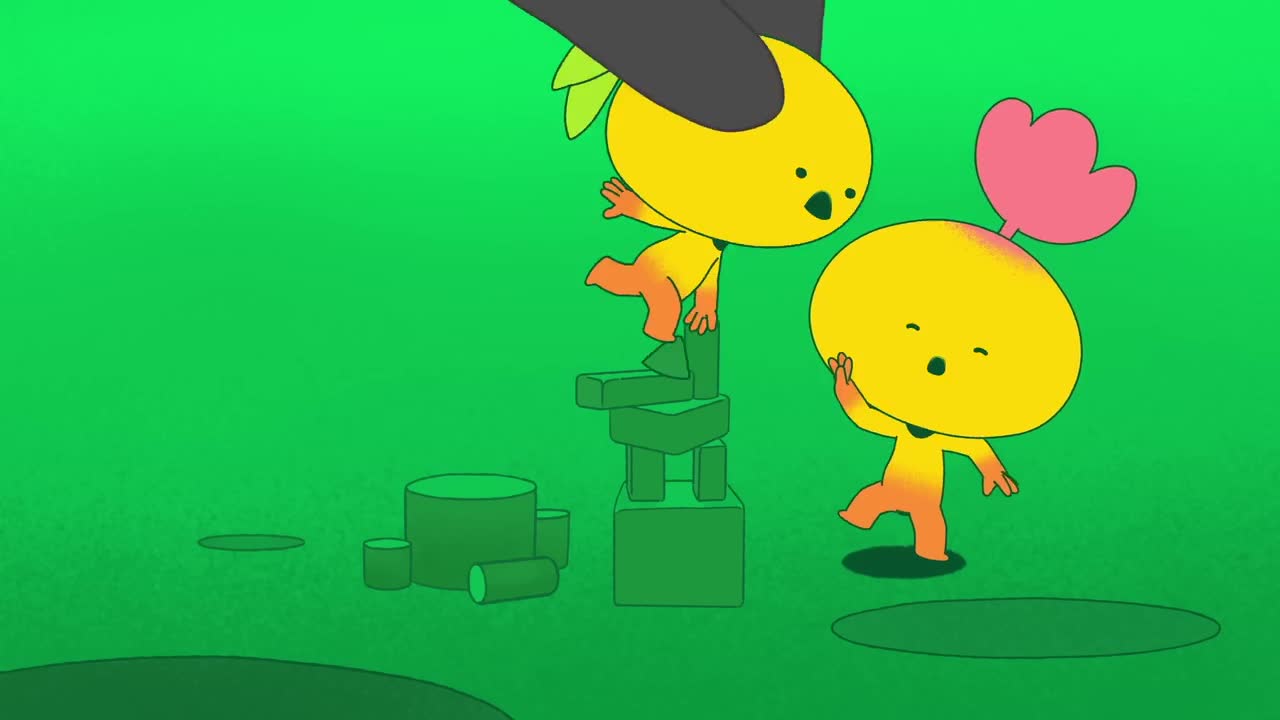
Montessori schools utilize "materials"—rigorously designed toys—to help students grasp abstract concepts. For instance, children explore "dimension" using "fat wooden cylinders" or master "spatial reasoning" through "pink stackable blocks." By using "brown stairs" to teach height and "red rods" for length and balance, teachers facilitate discovery rather than dictating information. The inclusion of "mixed ages" and "low teacher-to-student ratios" further encourages peer-to-peer learning.
Reggio Emilia: Curiosity and Student Agency
Reggio Emilia schools prioritize "sensory objects" and design classrooms to "reward curiosity." The curriculum is built on "open-ended questions," where teachers weave formal learning into projects based on student interests—such as investigating "how to make a model ship, float or sink." This approach allows students to "express themselves" while exploring their own assumptions.
Addressing the Skeptics: Interdisciplinary Integration
A common critique of self-directed learning is that students might "avoid the subjects they're not as interested in," leading to gaps in their education. To counter this, many institutions employ an "interdisciplinary approach." By solving "number puzzles" and using the results to "compose a piece of music" or create "three-dimensional art," educators bridge the gap between abstract concepts and practical applications. This makes learning feel "concrete and useful" rather than disjointed.
The Challenges and Benefits of Student Agency
Implementing these models requires significant "emotional intelligence," extensive preparation, and institutional trust. Educators must be "sensitive and able to adapt" to the unique needs of every child. Despite these demands, the results are compelling. A "2023 analysis of over 30 studies" demonstrated that Montessori students "outperformed traditional schools" not only in "language and math learning" but also in "developing creativity and social skills."
Conclusion: Play as a Lifelong Pursuit
The philosophy that play is a vital educational tool is extending beyond early childhood. Universities are shifting toward "long-term projects and roundtable discussions," and programs like "MIT's Lifelong Kindergarten" aim to provide "physical and digital tools" for learners of all ages to "explore, experiment and express themselves." Ultimately, the enduring utility of Froebel’s original toys in teaching "design principles and spatial reasoning" to architecture and engineering students proves that the marriage of play and intellect is not merely a phase of childhood, but a fundamental strategy for fostering "brighter minds, braver ideas and a more imaginative future."

Deep Learning with ListenLeap


