
[The Invasion of the Huge Goldfish: An Environmental Crisis]-[The Invasion of the Huge Goldfish]
📋 Summary
The Invasion of the Huge Goldfish: From Pet to Ecological Threat
The Unexpected Encounter
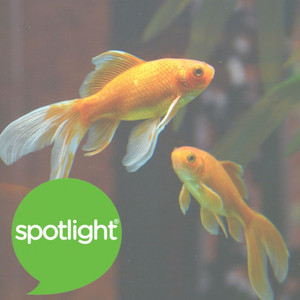
The story of the "invasion of the huge goldfish" begins with a deceptively simple scene: a woman fishing in a lake, expecting to catch a standard lake trout. Instead, she pulls up a massive, shiny, orange creature—a goldfish. While most people associate these animals with small glass tanks, this encounter highlights a growing global phenomenon where domestic pets have escaped into the wild, growing to alarming sizes and threatening native ecosystems.
A History of Prestige and Decline
Goldfish, native to East Asia, possess a long history as symbols of wealth and social standing. In China, they were once exclusive to the ruler, representing "good luck and wealth." By the 1600s, they had reached Europe, where wealthy elites kept them in private lakes as "exotic" displays of status.
This perception shifted dramatically in the 1870s. When the United States Bureau of Fisheries began distributing goldfish as a "publicity stunt," the fish transitioned from a luxury item to a common, disposable pet. This "throwaway idea"—the belief that goldfish are cheap and easily replaceable—eventually led owners to treat them as expendable, often releasing them into local waterways when they no longer wished to care for them.
The Perfect Invasive Species
What makes goldfish excellent, low-maintenance pets is precisely what makes them a disaster in the wild. According to the broadcast, these fish are incredibly resilient:
- Environmental Versatility: They can "survive in many different situations," including cold water and areas with "little oxygen."
- Dietary Flexibility: They "eat almost anything," allowing them to thrive where other species might struggle.
- Rapid Reproduction: A single female can produce up to "40,000 eggs a year," leading to explosive population growth when left unchecked.
Ecological Devastation
Once established in the wild, goldfish become a formidable invasive species. Unlike their tank-bound counterparts, wild goldfish can grow up to "36 centimetres long," rendering them too large for many natural predators to consume. They outcompete native species for food and physically "destroy native plant life," fundamentally altering the environment.
Kevin Nectar, an expert from the Nevada Department of Wildlife, notes that the impact is particularly severe in areas with "endemic species"—animals found nowhere else on Earth. The introduction of goldfish can cause these unique species to "die out," as seen in the Vasse River in Western Australia, which hosts one of the fastest-reproducing populations in the world.
Taking Responsibility
The broadcast concludes by emphasizing that while complete eradication may be impossible, individuals can prevent further spread through three key actions:
- Responsible Ownership: Never release pets into the wild. If you can no longer care for a fish, "donate them to a pet adoption agency."
- Prevention: Practice biosecurity by cleaning equipment, as small invasive species can hitchhike on "clothing, shoes and even the bottoms of boats."
- Community Involvement: Support local environmental groups that manage invasive species and provide education on local wildlife threats.
Ultimately, the "great goldfish invasion" serves as a stark reminder that our choices as pet owners have profound, lasting consequences on the natural world.
Deep Learning with ListenLeap


