
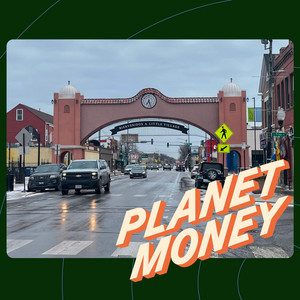
[The Economic Pulse of Little Village: Resilience and Uncertainty in Chicago's Cultural Hub]-[The "chilling effect" of deportations]
📋 Summary
The Economic Heart of Little Village
Little Village, a vibrant neighborhood in Chicago, stands as a testament to the economic power of immigrant communities. As Jennifer Aguilar, the executive director of the Little Village Chamber of Commerce, points out, the neighborhood is far from "little." Stretching across a two-mile corridor, it hosts over a thousand businesses, ranging from traditional quinceañera dress shops to diverse retail outlets. Remarkably, after the "magnificent mile" in downtown Chicago, Little Village generates the highest revenue in the city, establishing itself as a "significant tourist destination" that attracts visitors from across the country.
The Cultural Significance of Quinceañera Traditions
The neighborhood is deeply rooted in Mexican and Mexican-American culture, with over 75% of its residents identifying as such. The prevalence of shops selling "sparkly ornate gowns" for quinceañeras is not just a commercial endeavor; it represents a coming-of-age tradition that is central to the community's identity. Jennifer Aguilar herself reflects on this history, noting her own past experience with the tradition—opting for a unique "black and white" dress paired with "pink chucks" to match her emo phase. These shops serve as both a cultural anchor and a vital economic engine for the local economy.
The Shadow of Political Uncertainty
Despite its robust economic standing, the narrative takes a somber turn as the neighborhood faces external pressures. The podcast highlights a stark transition from bustling commerce to a state of being "very, very quiet." This shift is directly attributed to the political climate, specifically the period leading up to the inauguration of President Trump. The announcement by the "incoming border czar" that Chicago would be one of the "first targets for raids by Immigration and Customs Enforcement" (ICE) created an atmosphere of fear and instability.
Economic Vulnerability and Community Resilience
The threat of ICE raids demonstrates how national immigration policy can have an immediate, chilling effect on local commerce. When the fear of deportation looms, the daily patterns of the community—shopping, dining, and celebrating traditions—are disrupted. The silence in the streets of Little Village serves as a powerful indicator of how immigrant-led economic hubs are uniquely vulnerable to shifts in federal policy. Despite these challenges, the persistence of the business corridor and its historical significance underscore the resilience of the community. The story of Little Village serves as a microcosm for the broader national conversation regarding the intersection of immigrant labor, cultural contribution, and the economic lifeblood of American cities.
Deep Learning with ListenLeap


