
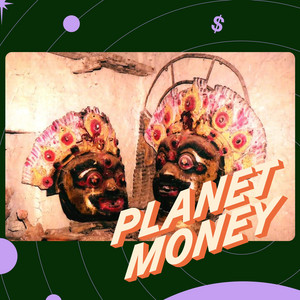
[The Body Electric Movement and the Echoes of Cultural Loss]-[The case of the stolen masks]
📋 Summary
The Body Electric Initiative: Combating Sedentary Living
The podcast introduces the "Body Electric Study," a transformative initiative that engaged over 20,000 participants last year. The primary mission of this study was to address the growing epidemic of "sedentary, screen-filled lives" that characterize modern existence. The results were described as having "amazing effects," suggesting that small, intentional movements can counteract the negative physical impacts of prolonged sitting and screen exposure. NPR has now launched the "Body Electric Challenge," inviting listeners to adopt these lifestyle changes themselves, emphasizing that the program is accessible through updated and new episodes across all major podcast platforms.
The Disruptive Reality of Cultural Heritage
Transitioning from public health to a narrative of historical preservation, the episode shifts focus to the story of Yagya Kumar Pradhan. Set in a village in Nepal 30 years ago, the narrative highlights a pivotal moment of cultural trauma. Pradhan recounts his experience at a "communal spigot," a mundane start to a day that quickly turned into a moment of collective grief. The core of this conflict centered on the local temple, a site of significant spiritual and community value.
The Violation of Sacred Spaces
Pradhan’s testimony provides a harrowing look at the loss of cultural identity. Upon receiving the news that the "temple doors had been broken down," he was confronted with the physical reality of desecration. The detail that the "locks were busted" serves as a metaphor for the vulnerability of heritage sites when faced with external threats. This segment of the podcast underscores the fragility of traditions and the visceral impact that the destruction of communal landmarks has on individuals who view these spaces as essential to their daily lives and spiritual well-being. By contrasting the modern struggle for physical health in the "Body Electric" segment with the historical struggle for cultural preservation in Nepal, the episode weaves together themes of protection—whether it be protecting the human body from atrophy or protecting a community’s history from erasure.

Deep Learning with ListenLeap


