
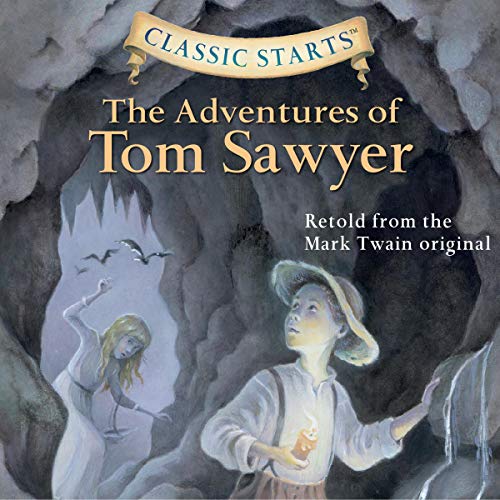
[The Master of Manipulation: Tom Sawyer and the Art of the Whitewashed Fence]-[The Adventures of Tom Sawyer - Part 02]
📋 Summary
The Art of Persuasion: Tom Sawyer’s Strategic Genius
In this narrative, we witness a classic display of human psychology, masterfully executed by the iconic literary character, Tom Sawyer. Faced with the mundane and labor-intensive punishment of painting his Aunt Polly’s nine-foot-high fence, Tom turns a moment of dread into a brilliant exercise in social engineering.
The Catalyst: A Mischievous Morning
The story opens with Aunt Polly’s search for her "headstrong nephew." Tom, having been caught red-handed with "lips smeared a bright red" from stolen raspberry jam and pockets filled with a "white powder trail" of sugar, is sentenced to spend his Saturday painting the fence. For a boy who equates freedom with "fishing," "fighting," and "adventuring," this chore is a devastating blow. The fence, spanning "nearly half the block long," looms over him as a symbol of his lost Saturday.
The Encounter: Ben Rogers and the Psychological Trap
As Tom begins his tedious work, Ben Rogers arrives, embodying the very freedom Tom craves. Ben approaches with a "hop, skip and a jump," flaunting a "shiny green apple." Tom, recognizing an opportunity, shifts his strategy. Instead of complaining about his work, he adopts an air of "deep concentration," treating the painting process as if he were "working out some great mystery."
When Ben mocks him with, "Gotta work, hey?" Tom plays his cards perfectly. He acts surprised, feigns indifference, and then drops the crucial hook: "It’s not every day a boy gets to paint a whole fence by himself." By framing the labor as an exclusive, privileged task, Tom triggers Ben’s curiosity and desire.
The Negotiation: Turning Labor into Privilege
Tom meticulously manages the perception of the task. He runs the brush "daintily over the wood fence," stepping back to "admire his work." When Ben inevitably asks to join in, Tom offers a calculated refusal, claiming, "Aunt Polly wouldn't like... she said there ain't one boy in a thousand that's fit to paint this fence."
This scarcity tactic is the turning point. Ben is no longer just watching a chore; he is witnessing a restricted activity. Driven by this manufactured exclusivity, Ben offers his "delicious apple" as a bribe to participate. Tom, maintaining his facade of reluctance, eventually yields the brush.
The Conclusion: The Discovery of a Universal Principle
As Tom sits "under a shady tree," enjoying the very apple he acquired through his ruse, he reflects on his success. He realizes that he has "discovered something wonderful": the fundamental principle that "to make a boy want something, all you had to do was make that something hard to get."
This episode serves as a timeless study on human motivation. By transforming a tedious chore into a coveted privilege, Tom Sawyer demonstrates that value is often defined not by the object itself, but by the perceived difficulty of obtaining it. Through his deceptive brilliance, Tom secures his own leisure while effortlessly offloading his punishment onto his peers.

Deep Learning with ListenLeap


