discussion keeps the world turning this is roundtable ancient remedies and some of the rarest plants on earth what if I told you that some of these powerful traditional Chinese medicine ingredients are at risk of disappearing well the race to find alternatives to these endangered herbs is on and instead
of shopping for whatever's trending long -term ism says buy it for life quality over quantity right but let's be real is it really a smart investment or just brands convincing us to drop more cash on things you don't need next season coming to you live from Beijing this is roundtable I'm a young for today's
program I'm joined by Steve Hatherly and you shouldn't in the studio first on today's show traditional Chinese medicine or TCM is deeply woven into the daily lives and cultural fabric of the Chinese people but for folks from other parts of the world it might feel a bit mysterious or unfamiliar with the 2024
world conference on traditional medicine in full swing in Beijing is the perfect time to uncover some fascinating facts about TCM and here's a topic as rare as the endangered herbs themselves the quest for innovative alternatives to protect these precious natural materials so let's set the table first
tell us about this conference where important TCM related issues are being discussed yes so first of all this conference will be co -sponsored by the World Health Organization WHO in collaboration with the National Health Commission of China the National Administration of Traditional Chinese Medicine
and the Beijing municipal government and according to the official website of WHO this year the theme is diversity inheritance and innovation traditional medicine for all and the event will take place in Beijing China from 3rd to 4th December 2024 and will serve as an opportunity to improve global access
to traditional and complementary medicine and its integration into healthcare systems worldwide very cool so it's gonna be a couple days event what types of things are they gonna be doing there yeah so the two -day event will include a series of panel discussions and sessions covering diverse topics
such as evidence -based traditional medicine advanced technologies AI applications in traditional medicine research and the standardization and safety of herbal medicines and also keynote speakers will address critical issues related to regulation integrative medicine and the role of traditional medicine
in primary health care hmm AI application is there anywhere yes you heard that can we just go somewhere where there's no AI like a quiet beach somewhere not to hate on it or anything I'm my point is just that it's really really far -reaching even into places that we wouldn't expect to find it but that makes
sense you know it feels like you know areas there is a huge database even among the traditional medicine or traditional these ingredients from materials when you're having AI maybe they can be a good helper in searching and maybe developing new or innovative ways of using these 100 % true yeah absolutely
now it feels like certainly as the day and age of AI just like a couple of years ago or a few years back it was all about blockchain and then before that it was all about big data and but AI might have a stronger foothold that might cling on a bit longer we will see but please take us back in time a little
bit and let's talk about the origins of traditional Chinese medicine yeah and I think you made a great point in the beginning of this discussion huyang when you said that it's really kind of a part of maybe not everyday lie lives for people here in China hopefully not everyone has to use it every single
day but what I mean is it's just something that people know about very well they're very familiar with the terminology but me being from Canada and maybe other listeners who aren't from China you use the word mysterious kind of because we really don't know that much about it if anything at all yeah
so actually the history of TCM can be traced back to ancient China and it is actually deeply rooted in Chinese culture and philosophy and evolving over thousands of years so when we're talking about traditional Chinese medicine these kind of things they are a way that you know emphasizes achieving the goal
of treating diseases by restoring balance within the body as a whole things all parts of our body and even the surrounding environment are interconnected so that is basically the main idea of TCM it was kind of like a holistic approach to medicine seeing the body as a whole with all interconnected points
when you're when you're like when you're having a healthy condition your body is balanced so TCM is trying to giving you back that balance right it's a really complicated matter and also because like you shouldn't has touched upon Chinese people for the firm believers of TCM they tend to see it not only
as a medicinal method but also it's like interwoven into your philosophy and looking at your lifestyle in many other aspects of life so it's kind of pervasive in a way in our culture and also as a Chinese person I actually share a similar feeling of it's kind of mysterious because of its long history
and some say that this could date back to the primitive medicine period and that's 3 ,000 BCE to 1600 BCE and then even for the average Chinese person who doesn't study this it just feels like a lot of it is being sort of passed on word for generation to generation by the tongue instead of something
that's super scientific yeah I get it so when you're a kid you know and maybe you're a little ill some somehow someway then your grandma might know of some traditional methods to take care of you and that gets passed down to your mom and then when you grow up you learn about all of these things to yeah
no I understand how that would work yeah and also sorry I'll just quickly finish this part and there are records of these methods of treatment that dates back to Huang Di Ne Jing or Yellow Empress Inner Cannon and we're again talking about thousands of years BCE so it's got these historical roots but also in a really
surprising way that it's been passed down generation to generation maybe there have been brief hiccups in the middle somewhere but then it still managed to find a place in our lives and like in yesterday's show if you caught our podcast or live broadcast then you would have heard Yuhu Lin and Lai Ming
and the gang talking about how young people are really getting interested in buying like modern products that's got a TCM touch yeah right even cakes or different desserts sometimes too yeah and tell us about how this has been evolved a bit more in recent well in the centuries of course so since you
mentioned that Huang Di Ne Jing you know I actually remind that reminded me of Binsao Gomu or compendium of materia medica it is also known as one of the world's earliest pharmacopoeias or you can understand that as a herbal encyclopedia so it is written by Li Shijun who is from the Ming Dynasty which can be
traced back to 1368 to 1644 and he compiled this encyclopedic text of over 1 ,800 herbal entries which remains influential nowadays so that is why we saying this TCM is so influential and it can be integrated into our modern life nowadays and it have been involved through time and from you know initial
these diagnostic methods it have been seen a lot of progress TCM progress to be more refined techniques such as tongue diagnosis and poles diagnosis making its diagnostic methods more systematic and precise and also we have more innovation in treatment methods in addition to traditional herbal remedies
TCM developed a diverse range of treatments including acupuncture massage or twina copying and gua sha it is all of these are forming up a huge and comprehensive therapeutic system acupuncture I've done before have you guys an acupuncture before I had it once but then blood came out so I stopped oh
yeah but it worked for a lot of other people yeah I did it once in my knee area I had a couple of surgeries when I was when I was younger and then my knee bothers me from time to time so I did that and I I must admit I was quite speculative because being from Canada I don't have any background on TCM
I don't have anything that we learned in school or my grandma you know teaching me when I was a kid but I tried it and I must say it really helped out it really worked for me I've done that one of the other ones that I haven't done but I've always been curious about is the cupping have you done cupping
before that's called bagua in Chinese described to us what would you end up with immediately after going through the cupping well cupping in case you don't know what it is I can't explain it in full but it's when they put something on your I believe your back a lot of the time and then there's a suction that kind
of draws the bad blood to the surface that's my understanding of it I don't know how else to describe it yeah and then yeah right and then afterwards my description you kind of look like a piece of pepperoni pizza when you're finished yeah actually when we're watching like the Olympics we can see a lot
of us whimmers they have that marks exactly exactly that's cupping right yes yes I'm using suction cups placed on the skin to promote circulation and reduce pain and detoxify that is basically the idea of cupping and yeah and as you said it is a way that nowadays people would do and I think that is why
it is interesting because even though it is kind of like okay with centuries of history of practices and people are still doing this and they are being globalized I mean a lot of international friends are using this way and it is actually working so it's interesting that this old remedy or this method
of treatment has been integrated or picked up by modern sports medicine all around the world yeah that's definitely something very interesting and also I just like to highlight one value of TCM that I suppose makes it really popular around the world these days that is TCM highlights the concept of preventing
illness before it occurs through health preservation and wellness practices and this approach increasingly is valued over time and it includes dietary therapy some would even say Tai Chi and you know some of these rather peripheral but important ways that's integrated into this whole big concept of TCM
and I guess that's back to the point of it being a holistic approach right you know obviously I'm not a doctor I don't know deeply the topic of Western medicine but when we get sick we go to the hospital kind of to treat one specific thing but we don't take preventative medicines to treat a thing that hasn't
happened yet not so much anyway maybe there are examples of that but that might be one of the big differences where from a holistic approach and from the point that you made about kind of just being interwoven into your lifestyle it's not necessarily taking a specific medicine to fix a specific problem
it's incorporating it into your life so that you're a healthy individual from head from head to toe that's a really good point and also I've chatted with some expat friends who live in China and have the opportunity to sort of experience TCM you know just right after work go to like some kind of TCM
workshop or go through go for a twina or Chinese massage session or whatnot and by the way that's a topic that's gonna be featured on tomorrow's show so do tune in if you're interested and then they say that sometimes it's when you sort of lack opportunities to heal in through met a Western medicine
and then people turn to TCM so it's like in a way it's an alternative to the super scientific proven ways of healthkeeping if I may say it that way but also I think that's a little bit of a murky area as well when more scientific research you know could be could be good but before we say more about that I
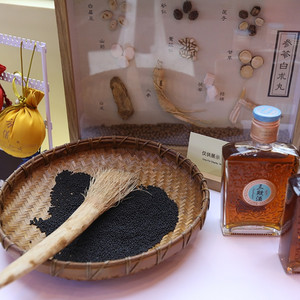
suppose I mean here's this big topic that's being discussed at the big TCM conference that we mentioned from the top of the show that is all these rare and endangered ingredients of TCM are being spotlighted and we're looking for alternatives to them and they're even big policies that support this initiative
yeah these herbs and there's a lot of them right that hold significant importance in traditional Chinese medicine but these herbs a lot of them are becoming scarce and that's why they're developing or that's why they have to develop alternatives and it's become crucial now so they put support policies
in place what are some of these support policies so they're encouraging research and innovation so research on substitutes that are urgently needed clinically will be included in relevant scientific research projects and also the results of these studies can be registered as achievements in traditional
Chinese medicine science and technology and those that meet the conditions can be recommended for relevant rewards so which means there these officials are these organizations are encouraging people to do more research on this area and also they're trying to deepen the collaborative innovation of industry
academia research and medical fields for example promote joint efforts to tackle key technologies and accelerate the transformation promotion application of scientific research results well talk to me about you know the urgent need to find replacements and substitutes mmm basically what we can understand it
as these herbs or materials they are just very rare and they are from endangered maybe animals and plants because we know that there are a lot of materials in Chinese traditional Chinese medicine they are extract from like wild plants and wild animals but because they are in indent endangered and we
can see the numbers of the animals is decreasing that is why we're finding alternatives or doing research and studies to find alternatives of these kind of materials and I think this is an interesting point actually because certain parts of TCM may I just say should be phased out and just like any technology
or any concept or theory it evolves according to time and according to people's varying needs and therefore you know considering that if TCM is such a humongous body of work that can be traced back thousands of years ago then it's inevitable that certain parts of it is no good today yeah but there are certain parts
that should be preserved yeah and I think that's a that's a really fair point and that's why it's so important and again to use that word crucial that they're finding alternatives now but the history of the development of substitutes for TCM materials that's not new right that goes back a long way it's
it's always been the discussion on TCM because in this practice we're using a lot of materials that's from the nature and actually this is it's been a problem and we and researchers have been facing it so represented by the development of artificial bazaar or artificial musk buffalo horn and concentrated
buffalo horn powder you know the country clearly stated that they could be used to replace the rare and endangered materials like rhinos horn in traditional Chinese medicine prescriptions respectively also back in 1993 the former Ministry of Health decided to stop using rhinos horn and tiger bone and and these
were replaced with buffalo horn or and the tiger bone was temporarily replaced with leopard bone and soon after leopard bone was also replaced by artificial materials so it is always been there and the process of trying to find alternatives have always been there and what do you see as the impact of trying
to look for and develop all these substitutes in traditional Chinese medicine to have in its future well when you're looking to replace things when you're looking for alternatives you don't always want to be looking for alternatives so developing substitutes that can kind of alleviate a dependence on wild
resources and can also encourage the sustainable utilization of TCM materials that that's a that's a big one right because if you're looking at okay we're using this now but oh wait that's not sustainable we're gonna have to change this in the future and wait okay we can use this now wait no we can't
anymore then what the goal is is to find things that you can use for decades if not centuries at a time that's a big one right definitely and let's look into the current situation and maybe the future a bit more when we talk about TCM treatment I'm sorry to say sometimes it makes me think of how Chinese
people write cookbooks what do you mean that's like we like in Western cookbooks you say okay so put in one teaspoon or let's say one milligram of salt and in Chinese cookbooks it says a little bit of sugar or salt okay yeah yeah and exact measurements is what you're talking about sort of like that and then
this might be crucial in looking at how TCM will develop in China as well as maybe overseas that is the standardization of TCM and I'd like you guys to give me some thoughts about how can standardized practices and quality control in TCM help build trust and acceptance so first of all what we can see
is that it can advance the industrialization and standardization of the whole TCM industry and also TCM materials the you know industrialization of their substitutes or the materials will drive the transformation upgrading of the TCM industry and also promoting its development toward standardization and scalability
also we can build up a whole quality standard efforts are underway to create uniform quality standards for TCM herbs and or products to ensure their consistency and safety and efficacy and these includes setting criteria for cultivation processing and storage yeah and I think when you're looking at global
standards then this in particular is quite important because you're talking about quality standards on a global scale and back to your I didn't know that by the way about Chinese cookbooks that's I find that kind of kind of awesome yeah just a little bit of this that's fine exactly but with medicine
yeah especially when you're talking globally yeah it's all right can you just add just one small point because in China like in the old days it's often that the Chinese doctor would have an apprentice so everything of his or her knowledge is being passed down verbally and maybe with certain documents
but there's definitely there an element of mystique and you know depends on your own knowledge and how you perceive this illness and how you come up with the diagnosis and also treatment so standardization has always been a huge obstacle here in TCM in development so tell us your thoughts well I was just
gonna say when you could standardize the quality for example of the herbs and the products to ensure like you said the consistency and the safety and the efficacy well then you're increasing the credibility of it as well like you said you know it's a mysterious thing and a lot of people in the West
we've heard of traditional Chinese medicine before but a lot of people don't know anything about it at all so when there's a global standard then I think it gives people an opportunity to learn about it but it also it also gives people an opportunity to feel comfortable with it as well for something
that because we fear we tend to fear the unknown don't we right yeah and also that make the point of what I mentioned before at the beginning about this conference a lot of the things that need to be evidence based that is why you know no matter is Chinese people or people who are using TCM will trust
and believe that and also it is actually evidence -based traditional medicine hmm and what do you see as the opportunities and challenges in introducing TCM practices and products to international markets well we said one thing about trust and also just making it aware to people yeah yeah making it aware and now
TCM products and services they are gaining traction in global markets there's increased demand for herbal remedies and acupuncture and cupping and things like this and just wellness practices in general in Europe in America and even in this part of the world in Southeast Asia so I think that the market
opportunity seems to be there so that's a great opportunity for yeah maybe to improve the international collaboration in this sense yeah well there's definitely a lot of swapping notes and a lot of exploring new territory of the medicine world I suppose for some people