
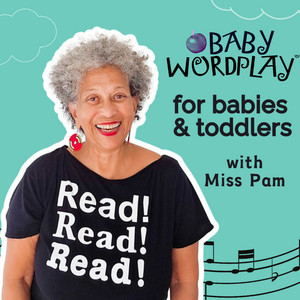
[Baby Wordplay: An Interactive Journey of Language and Movement]-[TASTE OF: Bilingual bebés - Español y English]
📋 Summary
Exploring Language and Movement with Baby Wordplay
In this episode of Baby Wordplay, host Miss Pam creates an immersive, educational environment designed specifically for babies and toddlers. The podcast functions as an interactive session, encouraging listeners to "sing along," "talk along," "clap along," and "move along." By blending music, rhythm, and multilingual vocabulary, Miss Pam fosters early childhood development through play-based learning.
Multilingual Vocabulary Building
One of the central pillars of this episode is the introduction of Spanish vocabulary. Miss Pam uses a rhythmic approach to teach food-related words, including "huevos" (eggs), "plátano" (banana), "tomate" (tomato), and "pan" (bread). By instructing listeners to repeat these words "very slowly," she ensures that young children can grasp the phonetic structure of the language. This technique of repetition—"Huevos, plátano, tomate y pan"—serves as a linguistic anchor, helping toddlers internalize new terms through auditory reinforcement.
Physical Engagement and Motor Skills
The session emphasizes the connection between language and physical action. Miss Pam uses the song "I have ten little fingers" to teach body awareness and motor skills. Through the lyrics, she prompts children to engage in various movements: "shut them up tight," "open them wide," "put them all together," or "make them hide." By asking, "Would you like to see?" she creates a sense of curiosity and participation, encouraging children to mimic the movements associated with the words. This integration of physical activity with verbal cues is a hallmark of the Baby Wordplay methodology, helping children understand the world around them through both sight and sound.
Expressing Preferences: "Me Gusta"
Beyond concrete nouns, the episode introduces emotional expression and preference. Miss Pam explains the phrase "Me gusta," which means "I like it." She contextualizes this by providing examples such as "Me gusta cantar" (I like to sing) and "Me gusta bailar" (I like to dance). By linking these phrases to common activities, she teaches children how to articulate their interests. Furthermore, she expands the lesson to interpersonal relationships by adding, "me gustas means that I like you," providing a gentle introduction to social-emotional vocabulary.
Community and Educational Philosophy
Baby Wordplay is not merely a broadcast but a community-driven initiative. Miss Pam invites parents to participate actively by sending in "songs" or "lullabies" that their babies love. This collaborative approach underscores the podcast’s mission to celebrate the unique musical bond between caregivers and their children. The show’s structure—combining greetings in various languages like "hola, bonjour, konnichiwa, jambo, ciao"—exposes young minds to global diversity from an early age.
In conclusion, this episode serves as a comprehensive tool for early language acquisition. By combining repetitive Spanish vocabulary, physical movement exercises, and emotional expression, Miss Pam provides an engaging platform that supports the cognitive and social development of babies and toddlers. The podcast encourages a collaborative learning environment, urging families to continue their journey through subscriptions and social media engagement.
Deep Learning with ListenLeap


