
[Mitigating the Supermarket Food Waste Crisis: Strategies and Solutions]-[What can supermarkets do to reduce food waste?]
📋 Summary
The Scale and Environmental Impact of Supermarket Food Waste
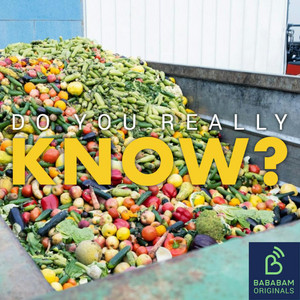
The issue of food waste has reached a critical juncture. According to the World Wildlife Foundation, approximately "a third of all food produced in the wild goes to waste," a statistic that carries profound environmental consequences. The United Nations Food and Agricultural Organization highlights that this waste is responsible for "a third of all human-caused greenhouse gas emissions," underscoring the urgency for systemic change. While individual household waste is a concern, the scale of waste within the retail sector is staggering, with UK supermarkets alone discarding an estimated "200,000 tonnes of food" annually.
Root Causes: Inventory Management and Operational Constraints
Why does such a massive amount of food go to waste? The podcast identifies two primary drivers:
- Restrictive Internal Policies: Supermarkets operate under specific rules for their own-label products that often "prevent the food being donated after its expiry date has passed." This administrative bottleneck forces viable food into animal feed or energy generation rather than food banks.
- Overstocking Strategies: Supermarkets tend to overstock shelves to avoid the risk of consumers "faced with empty shelves" choosing a "rival store instead." This fear of lost revenue leads to an intentional surplus that frequently results in spoilage.
Technological Interventions: Automating Efficiency
Technology offers a promising path forward to minimize waste, particularly regarding products approaching their expiration. The podcast emphasizes that "automating date tracking" is a significant improvement over traditional manual checks. This automation "reduces the margin for error" and provides a more efficient system for triggering discounts. By offering these price reductions, supermarkets create a "win-win situation": shoppers receive a discount, retailers recover some costs, and, most importantly, perfectly edible food is diverted from the waste stream.
Tackling the Aesthetic Standards: The 'Imperfect' Initiative
Consumer behavior plays a significant role in food waste, as shoppers are often "fussy when picking fruit and veg," favoring products that look visually perfect. However, as the podcast notes, "some damage in the supply chain is inevitable," and such damage does not compromise the nutritional quality of the food.
To combat the rejection of these items, several retailers have launched successful initiatives:
- Lidl’s 'Too Good to Waste' campaign: Introduced in 2016, this program highlights that misshapen produce is still highly valuable.
- Tesco’s 'Perfectly Imperfect' range: By branding these items, retailers encourage consumers to look past cosmetic flaws.
The central argument here is simple: once the produce is prepared, "you'll have forgotten that it was ever wonky at all." By embracing these imperfect items, consumers can participate in a more sustainable food ecosystem while benefiting from lower prices.
Conclusion
Addressing the supermarket food waste crisis requires a combination of policy reform, the adoption of automated inventory technologies, and a shift in consumer expectations regarding the physical appearance of produce. As awareness grows, businesses are increasingly being "held responsible for their practices," pushing the industry toward more sustainable operational models that prioritize waste reduction over rigid aesthetic and inventory standards.
Deep Learning with ListenLeap


