
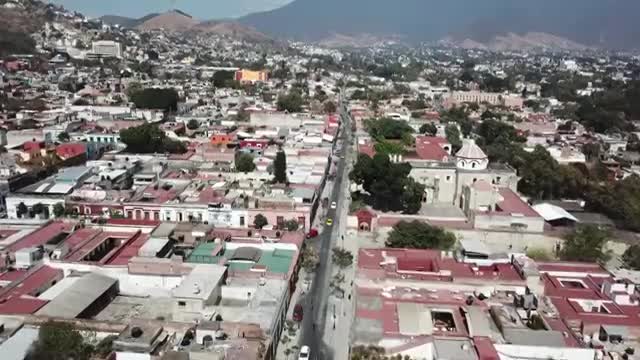
[A Culinary Exploration of Oaxaca City: Markets, Mole, and Morning Traditions]-[Street Food in Oaxaca - CHEESE CORN CHAMPION and Mexican Meat Alley Tour in Mexico!]
📋 Summary
The Oaxacan Morning Spectacle: A Meat Fiesta
Mark Wiens kicks off his journey in Oaxaca City, immediately immersing himself in what he describes as an "ultimate fiesta" of food culture. The energy of the morning is palpable, characterized by a "meat party" that defines the local atmosphere. Wiens emphasizes that the "meat love is out of control," setting the stage for a day dedicated to exploring one of Mexico's most renowned culinary destinations. By positioning this morning scene as a "meat sana," he highlights the vibrancy and deep-rooted passion that locals have for their traditional breakfast offerings.
Diving into Local Traditions and Remedies
As the exploration continues through the bustling local markets, the narrative shifts from the savory to the traditional practices that support the local lifestyle. Wiens encounters a "fomada del dragón," a specific remedy touted for its ability to soothe "pain." This segment of the journey underscores the multifaceted nature of the Oaxacan market experience, which serves not just as a place for commerce, but as a hub for cultural remedies and traditional knowledge. The inclusion of such specific items illustrates the depth of the local culture, where food and wellness are intrinsically linked.
The Art of Oaxacan Beverages and Staples
No visit to Oaxaca is complete without indulging in its iconic beverages. Wiens highlights the meticulous preparation of a "cup of hot chocolate," noting the importance of the "frothy, bubbly" texture achieved by "twirling that stick." This technique is essential to the Oaxacan style of preparation, elevating a simple drink into a sensory experience. The warmth and richness of the chocolate provide a stark, yet complementary, contrast to the savory intensity of the market food.
The Soul of Oaxacan Cuisine: Mole and Raja
The climax of the culinary tour centers on the quintessential flavors of the region: "Raja and mole." Wiens repeats these terms with reverence, signifying their status as the pillars of Oaxacan gastronomy. Mole, a complex and deeply traditional sauce, represents the "ultimate food culture" that draws visitors to the city. By focusing on these specific dishes, the summary captures the essence of the Oaxacan palate—a balance of spice, tradition, and culinary craftsmanship that has sustained the city's reputation as a gastronomic capital.
Ultimately, Wiens’ one-day adventure in Oaxaca serves as a condensed but intense overview of a city that prioritizes food as a way of life. From the high-energy "meat party" in the early hours to the ritualistic consumption of mole and chocolate, the experience is a testament to the enduring power of Mexican food traditions. Every interaction, from the vendors selling "fomada del dragón" to the preparation of frothy hot chocolate, reinforces the idea that in Oaxaca, food is not merely sustenance; it is a celebration of life and history.

Deep Learning with ListenLeap


