
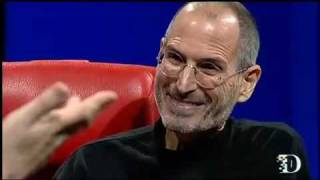
[The Startup Philosophy: Apple’s Secrets to Collaborative Innovation]-[Steve Jobs talks about managing people]
📋 Summary
The Startup Philosophy: Apple’s Secrets to Collaborative Innovation
In this insightful discussion, the inner workings of Apple are revealed, painting a picture of a corporate giant that operates with the agility and mindset of a "startup." Despite its massive scale, Apple maintains a unique organizational structure that eschews bureaucracy in favor of direct accountability and collaborative synergy.
The Elimination of Committees
One of the most striking revelations about Apple’s management style is the total absence of committees. When asked about the number of committees within the organization, the response is definitive: "Zero. We have no committees." Instead of relying on formal, cumbersome committees that often stifle progress, Apple is "organized like a startup." This structure relies on clear, individual accountability. Specific leaders are assigned to core domains—such as iPhone OS software, Mac hardware, iPhone hardware engineering, worldwide marketing, and operations—ensuring that every critical aspect of the business has a singular owner.
The Power of "The Biggest Startup on the Planet"
Despite being a multi-billion dollar entity, Apple functions as "the biggest startup on the planet." The core leadership team meets for three hours once a week to discuss every facet of the business. This weekly synchronization ensures that the "tremendous teamwork at the top of the company" effectively "filters down to tremendous teamwork throughout the company."
This culture of teamwork is fundamentally rooted in trust. The speaker emphasizes that successful collaboration is "dependent on trusting the other folks to come through with their part, without watching them all the time." By dividing complex tasks among specialized teams and maintaining frequent touchpoints, Apple manages to integrate disparate efforts into a unified, high-quality product. The daily routine at the executive level is defined by meeting with these teams to "work on ideas and solve problems," whether it involves developing new products or crafting marketing programs.
Leading by Ideas, Not Hierarchy
Perhaps the most vital component of Apple's success is its internal culture regarding dissent and decision-making. The organization encourages an environment where employees are not only willing but expected to challenge leadership. The speaker notes, "We have wonderful arguments," acknowledging that they certainly do not win every debate.
This approach is essential for retaining top-tier talent. The philosophy is clear: "If you want to hire great people and have them stay working for you, you have to let them make a lot of decisions and you have to be run by ideas. Not hierarchy." By fostering a culture where "the best ideas have to win," Apple prevents the stagnation that often plagues large corporations. While the leader remains deeply involved, contributing their own ideas and steering the creative process, they recognize that their role is not to dictate, but to facilitate a meritocracy of thought. In this ecosystem, the quality of the concept outweighs the title of the individual who proposed it, ensuring that the company remains as innovative as it was during its inception.
Deep Learning with ListenLeap


