
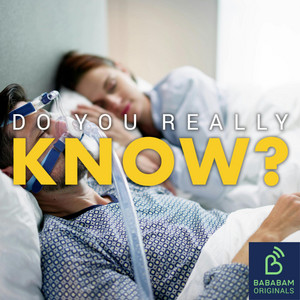
[Understanding Obstructive Sleep Apnea: Mechanisms, Risks, and Treatments]-[What are the signs you might have sleep apnea?]
📋 Summary
Understanding Obstructive Sleep Apnea: A Comprehensive Overview
Obstructive sleep apnea (OSA) is a prevalent health condition that often goes unnoticed by those it affects. As defined by a 2015 study in the Journal of Theoratic Disease, approximately 10% of the population suffers from this disorder, with higher risks observed in men, individuals over 50, and those who are overweight.
The Mechanical Nature of Sleep Apnea
Unlike a traditional illness, sleep apnea is primarily a "mechanical disorder." During sleep, natural muscle relaxation occurs; however, in individuals with apnea, the "soft tissue at the back of the throat collapses," effectively "blocking the airway." This leads to a cycle where "breathing stops and starts repeatedly." Because these interruptions happen during sleep, the affected individual is often unaware that anything abnormal is occurring.
The Brain’s Survival Instinct and Sleep Quality
When breathing pauses, typically lasting between "10 and 30 seconds," the brain’s "survival instinct kicks in." The brain detects the lack of oxygen and forces the body to wake up, often characterized by "gasping and snorting." While the individual usually falls back asleep quickly and remains oblivious to the event, the cycle prevents the body from reaching "deep, restful phases of sleep." The clinical consequences include "daytime fatigue and irritability," alongside physiological stress, such as spikes in "heart rate and blood pressure."
Long-term Health Consequences
If left untreated, the implications for long-term health are severe. The podcast highlights that chronic sleep apnea can "decrease life expectancy" and is a significant risk factor for "high blood pressure and cardiovascular diseases," including "heart failure or arrhythmia," and carries an increased risk of stroke.
Detection and Diagnosis
Detection often relies on external observation, as family members frequently identify the issue before the patient does. Key warning signs include "heavy snoring" or "gasping" during the night. For those living alone, waking up consistently tired or experiencing "panic attacks in the middle of the night" may indicate the brain is struggling for oxygen.
To diagnose the severity, doctors utilize the "apnea hypopnea index (AHI)." This scale classifies severity:
- Mild: 5 to 15 pauses per hour.
- Moderate: 15 to 30 pauses per hour.
- Severe: Over 30 pauses per hour.
The gold standard for diagnosis is "nocturnal polysomnography," a sleep study involving an overnight stay where electrodes are placed on the patient’s face to monitor "sleep and breathing patterns."
Treatment Pathways
Treatment is tailored to the severity of the condition:
- CPAP Therapy: For severe cases, a "continuous positive airway pressure (CPAP)" machine is often prescribed. This involves wearing a mask over the nose or mouth to pump air and keep airways from becoming "too narrow." While "a little uncomfortable" and requiring at least 5 hours of use per night, it is highly effective, though it acts as a management tool rather than a permanent cure.
- Oral Appliances: Similar to a "gum shield," these devices can be used as an alternative treatment.
- Surgical Intervention: Procedures like "maxillo-mandibular advancement," which moves the "jaw bones forward to free up the throat," are considered a "last resort" when other non-invasive therapies fail.
By recognizing the signs early and seeking professional medical evaluation, individuals can mitigate the long-term risks associated with this mechanical breathing disorder.
Deep Learning with ListenLeap


