
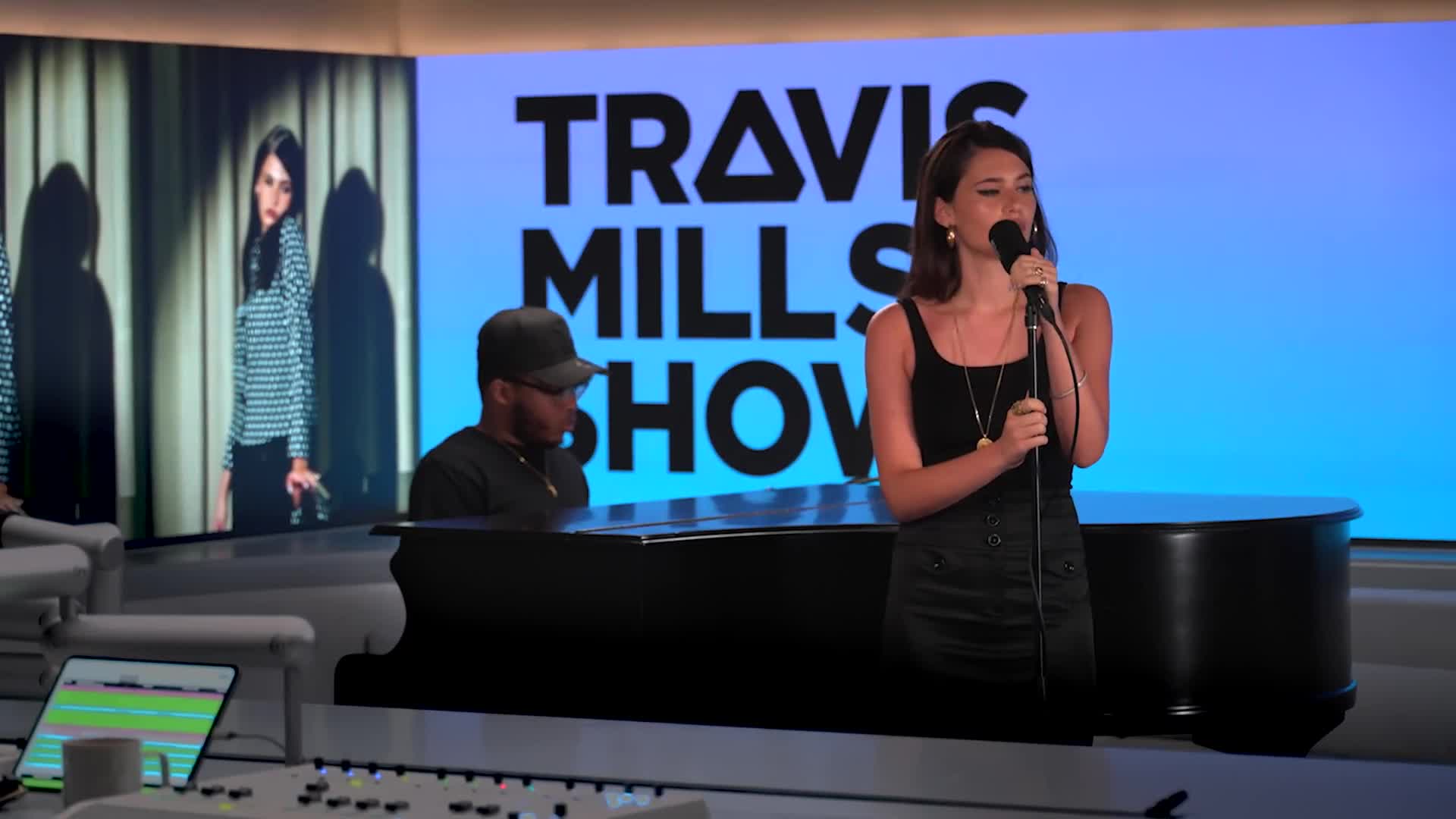
[The Anatomy of Emotional Entrapment: A Poetic Analysis of Stubborn Devotion]-[Sienna Spiro - Die On This Hill (Live Performance) The Travis Mills Show]
📋 Summary
The Paradox of Persistent Attachment
The provided transcript serves as a poignant exploration of a dysfunctional emotional dynamic, characterized by the speaker's internal struggle between self-preservation and an irrational commitment to a partner who remains emotionally unavailable. The narrative arc moves from the realization of hollow promises to a conscious, albeit painful, decision to remain in a state of "stubborn and patient" suffering.
The Deception of Verbal Validation
At the outset, the speaker highlights the discrepancy between language and intent. The phrases "Stop because it's words" and "Don't ever mean it" underscore a fundamental lack of authenticity in the partner’s communication. The speaker acknowledges that the partner’s affirmations—specifically that they "need" the speaker—are merely performative. This realization marks the transition from naive trust to a cynical, yet clear-eyed, observation of the relationship’s superficiality. The line "At least an eye to me" suggests that the speaker is acutely aware of the transactional nature of these interactions, yet they struggle to detach.
The Architecture of Self-Sacrifice
Central to the speaker’s internal conflict is the concept of pride and the willingness to sacrifice oneself for a "thrill." The refrain, "I'll take my pride / That if you know I'm not blind / Just seeing it through / You'd take my life just for the thrill," suggests a masochistic surrender. The speaker is not ignorant; they are "not blind." Instead, they are choosing to "see it through," a phrase that denotes a deliberate endurance of pain. The metaphor of "dying on this hill" serves as a powerful testament to their commitment. By stating, "I always will, / Stubborn and patient," the speaker frames their attachment not as a weakness, but as a rigid, unyielding choice.
The Asymmetry of Value
As the narrative progresses, the power dynamic becomes increasingly clear. The speaker notes, "But you wrote the book / I just took a page out to be loved, / To be loved and nothing more." Here, the speaker positions the partner as the architect of the relationship's rules, while the speaker is merely a seeker of affection. This creates a heartbreaking asymmetry: the partner is indifferent, while the speaker is desperate for significance. The speaker’s existential frustration culminates in the cry, "God, I wish something mattered to you." This line captures the core of their despair—the recognition that their entire emotional labor and their willingness to endure the "whole night" is met with the partner's profound apathy.
Conclusion: The Choice to Wait
Ultimately, the speaker accepts their role in this cycle. By explicitly stating "I'll wait," they resolve the internal tension by opting for continued presence over departure. The refusal to leave, despite the partner’s inability to care, illustrates a tragic level of loyalty. The speaker’s pride is now inextricably linked to their ability to stand firm in a situation where nothing "could matter" to the other party. This piece serves as a haunting reflection on the nature of unrequited devotion, where the act of waiting becomes the final, solitary performance of a love that has long since lost its reciprocity.

Deep Learning with ListenLeap


