
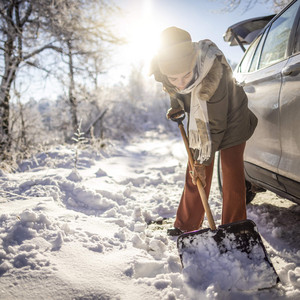
[Staying Safe While Shoveling Snow: Cardiovascular Precautions and Winter Tips]-[Shoveling snow can be dangerous. Here's how to protect yourself]
📋 Summary
Staying Safe While Shoveling Snow: A Cardiovascular Perspective
Winter storms often leave behind significant accumulations of snow, prompting many to head outside with shovels. However, what appears to be a routine chore can quickly turn into a "major stress test" for the body. According to insights from NPR’s Life Kit, understanding the physical toll of snow removal is essential for preventing health emergencies.
The Physical Toll of Heavy Snow
National Weather Service meteorologist Michael Mosilli highlights that the composition of snow matters significantly. "Dense, heavy, wet snow"—often resulting from sleet—is far more taxing than light, fluffy snow. When moving this heavy material, individuals are not just clearing a path; they are engaging in intense physical labor that can involve moving "hundreds and hundreds of pounds of snow."
Dr. John Osborne, a cardiologist and American Heart Association volunteer expert, explains that shoveling is an high-exertion activity. Even after just 10 minutes of shoveling, most people reach approximately "97 percent of our maximal predicted heart rate." This places a tremendous load on the cardiovascular system.
Cardiovascular Risks and Vulnerability
Dr. Osborne emphasizes that certain groups should be exceptionally cautious:
- Existing Health Conditions: Individuals with a history of heart disease, diabetes, stents, balloons, bypass surgery, or high blood pressure are at elevated risk.
- Age Considerations: Those over 65—and even those over 45—should be wary of the physical strain and are encouraged to "ask for help" rather than tackling the job alone.
- The Cold Factor: Cold weather causes "vasoconstriction," which narrows blood vessels. When paired with the sudden spike in heart rate and blood pressure caused by shoveling, this creates a situation that can be "cardiovascularly disastrous" for those who are "deconditioned" or unaccustomed to such strenuous activity.
Best Practices for Winter Safety
To mitigate these risks, experts suggest several strategies for those who must shovel:
1. Pace Yourself
It is vital to "take it easy" and "go slow." There is no requirement to clear the entire driveway in "one fell swoop." Taking frequent breaks to "catch my breath" is highly recommended and serves as a crucial way to prevent overexertion.
2. Dress Strategically
While it is common to bundle up, overheating can also be an issue. Dr. Osborne suggests dressing appropriately for the weather by using layers. If you begin to get hot, you can "take off those layers," which helps regulate body temperature and reduces unnecessary strain.
3. Recognize the Risks of Other Winter Activities
High-exertion activities like sledding, which involve climbing steep hills in thick snow, pose similar threats. While these activities are great for "burning off a lot of calories," they can still cause significant "stress added to the heart" if your body is not physically prepped or conditioned for the intensity.
Conclusion
Shoveling snow is more than just a chore; it is an athletic event that tests "upper extremity strength" in a way that most bodies are not prepared for. By recognizing the limitations of your own fitness, pacing your work, and understanding the physiological impact of cold weather, you can navigate winter storms safely without compromising your heart health.

Deep Learning with ListenLeap


