
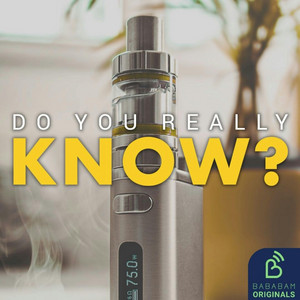
[Should Vapes Be Subject to the Same Strict Regulations as Cigarettes?]-[Should vapes have the same restrictions as cigarettes?]
📋 Summary
Should Vapes Be Subject to the Same Strict Regulations as Cigarettes?
As the popularity of e-cigarettes and vaping devices continues to climb, a significant debate has emerged regarding whether these products should be governed by the same stringent restrictions as traditional tobacco cigarettes. While vaping was originally intended as an aid to help adult smokers quit, the rise of "disposable single-use products" like Elf and Geek bars has sparked concern among policymakers and health advocates.
The Push for Stricter Regulations
The Local Government Association (LGA) and the charity Action on Smoking and Health (ASH) are at the forefront of a campaign to align vaping regulations with those of cigarettes. The core argument is that the current accessibility of vapes—characterized by "bright packaging," "fruit flavors," and "affordable prices"—is disproportionately attracting teenagers.
To mitigate this, the LGA suggests that vapes should be "sold in plain packaging" and kept "out of the reach and sight of children behind shop counters," mirroring the retail environment for traditional tobacco products. Furthermore, ASH has proposed a specific "four pound tax" on single-use disposable vapes. Because these items can currently be purchased for "under a fiver," such a tax would act as a financial barrier, making them "less affordable" for young people and potentially curbing the "vast quantities of single-use vapes being thrown into landfill."
Protecting the Youth: Prevention and Identification
A primary concern for health experts is that young people who have "never smoked" are being tempted to start vaping. David Fothergill, chairman of the LGA's community well-being board, noted that while vaping poses only a "small fraction of the risks of smoking," it is "deeply worrying" that non-smokers are taking up the habit.
To address this, advocates are pushing for a ban on marketing tactics that appeal to children, specifically requesting that "vapes featuring cartoon characters should be banned." Additionally, there is a call to strengthen enforcement at the point of sale, suggesting that anyone who "looks under 25 should be asked for ID" to ensure compliance with the legal age limit of 18.
Health Risks and Unknown Long-term Effects
While proponents of vaping emphasize that e-cigarettes are "considered safer than cigarettes" because they "do not contain tobacco," health authorities urge caution. Vaping devices typically contain nicotine, which is "addictive," and illegal devices may contain "dangerous ingredients."
Beyond addiction, the physical impact of vaping is a subject of ongoing research. The CDC warns that inhaling from these devices allows "ultra fine particles to be inhaled deep into the lungs." Furthermore, specific chemical flavorings, such as "diactyl," have been explicitly "linked to serious lung diseases." Common reported side effects include "nosebleeds, headaches, and sore throats." Critically, experts acknowledge that the "full effects of vaping may not yet be known," suggesting that a precautionary approach to regulation is necessary to protect public health.
Conclusion
The debate over vaping regulations reflects a tension between providing a harm-reduction tool for adult smokers and protecting a new generation from nicotine addiction. As the environmental and health impacts of "single-use vaping products" become increasingly apparent, the consensus appears to be shifting toward tighter controls. Whether through plain packaging, increased taxation, or stricter ID requirements, the goal remains the same: ensuring that vaping serves its purpose as a cessation aid rather than becoming a common habit for the youth.
Deep Learning with ListenLeap


