
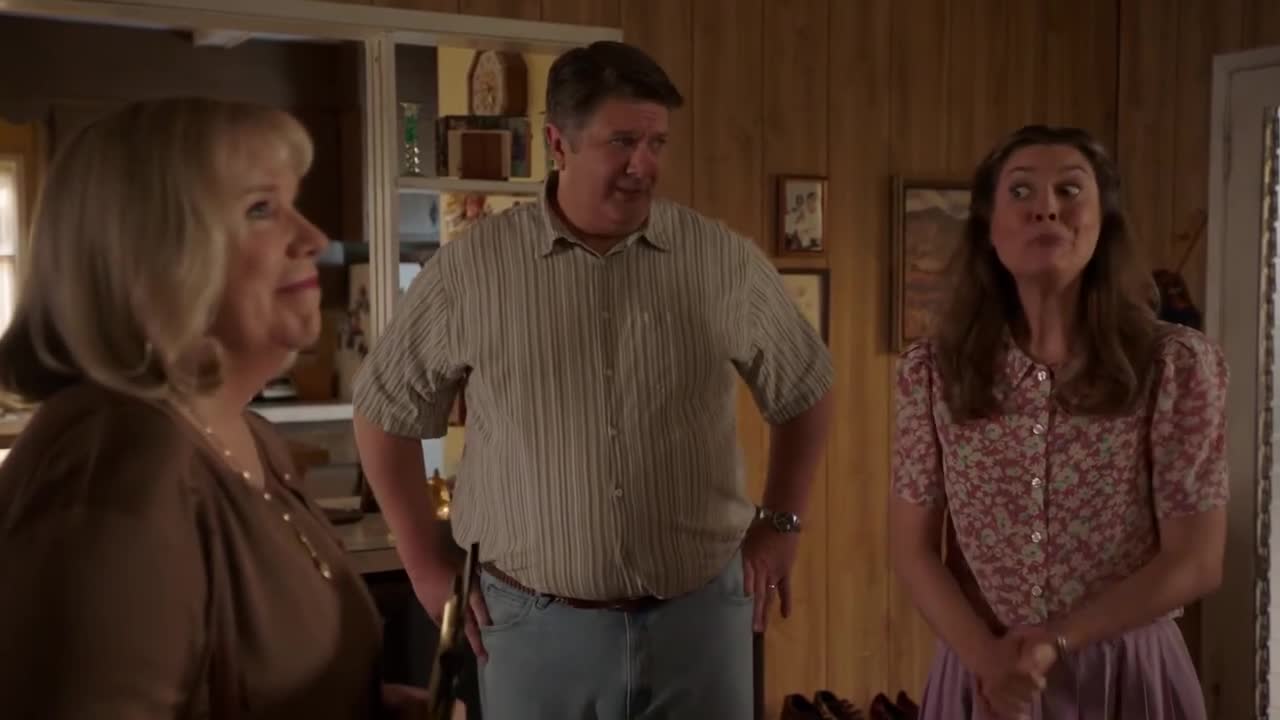
[The Radioactive Real Estate Appraisal: A Domestic Comedy of Errors]-[Sheldon Scares the Realtor from Selling the House | Young Sheldon]
📋 Summary
The Facade of a 'Good Bones' Property
The narrative begins with a classic real estate appraisal scenario, where homeowners attempt to sell their residence by highlighting its structural integrity. The sellers emphasize that despite the home looking a bit "lived in," it possesses "good bones," a common industry term for a property with solid architectural foundations. To justify a higher asking price, the homeowners are quick to point out recent capital improvements, specifically noting that they "recently redid the plumbing," which they describe as "pricey." This interaction establishes a conventional tone of domestic commerce, aimed at securing the best possible market value for their family home.
Nostalgia and Emotional Marketing
As the tour progresses to the daughter’s bedroom, the atmosphere shifts toward emotional branding. The daughter reflects on her tenure in the house, describing it as "such a blessing to grow up here." This sentiment is intended to add intangible value to the property, framing it as a space that has nurtured a happy family. The mother’s remark, "I just hope some lucky family loves it as much as I have," serves as a strategic attempt to humanize the house, making it more appealing to potential buyers. The realtor’s professional, if slightly detached, response—"I’m sure they will"—highlights the transactional nature of the visit despite the sentimental weight being placed on the room.
The Sudden Shift to Nuclear Hazards
The tone of the visit undergoes a jarring transformation when the realtor enters the son’s bedroom. The son’s insistence that the realtor "might wanna stay there until I finish my sweep" introduces a sense of immediate danger. The dialogue quickly moves away from real estate logistics to a bizarre confession regarding the room's safety. The mother’s desperate attempt to maintain the charade by claiming the room isn't "radioactive" is immediately undercut by the son’s casual admission of his scientific hobbies.
The Absurdity of Domestic Science Experiments
The climax of the conversation reveals the true nature of the son’s activities. When the mother attempts to downplay the situation by citing that the "FBI stopped him before he got any" uranium, the son clarifies with terrifying specificity: "I’m referring to the americium isotopes I was using to make a nuclear reactor." This revelation shatters the illusion of a normal home appraisal. The son’s nonchalant attitude toward possessing "radioactive material" serves as a dark comedic contrast to the parents' futile efforts to present a clean, sellable environment. The final instruction from the mother, "Don't write that down," serves as a desperate, final attempt to salvage the property's reputation, though the damage is clearly done. The juxtaposition of a realtor assessing plumbing costs alongside the presence of hazardous nuclear isotopes creates a vivid, chaotic picture of a family home hiding a dangerous secret.
Deep Learning with ListenLeap


