
[The Emotional Attachment to Old Possessions: Why We Struggle to Let Go]-[SHADOWING Practice for SPEAKING English]
📋 Summary
The Psychology of Holding On: A Case Study of an Old T-Shirt
In this podcast episode, the host explores the universal human struggle of letting go of material possessions, using a personal, worn-out t-shirt as a poignant metaphor for emotional attachment. While the narrative serves as a language practice session, it reveals deep insights into why we cling to objects that have lost their functional utility.
The Conflict Between Logic and Sentiment
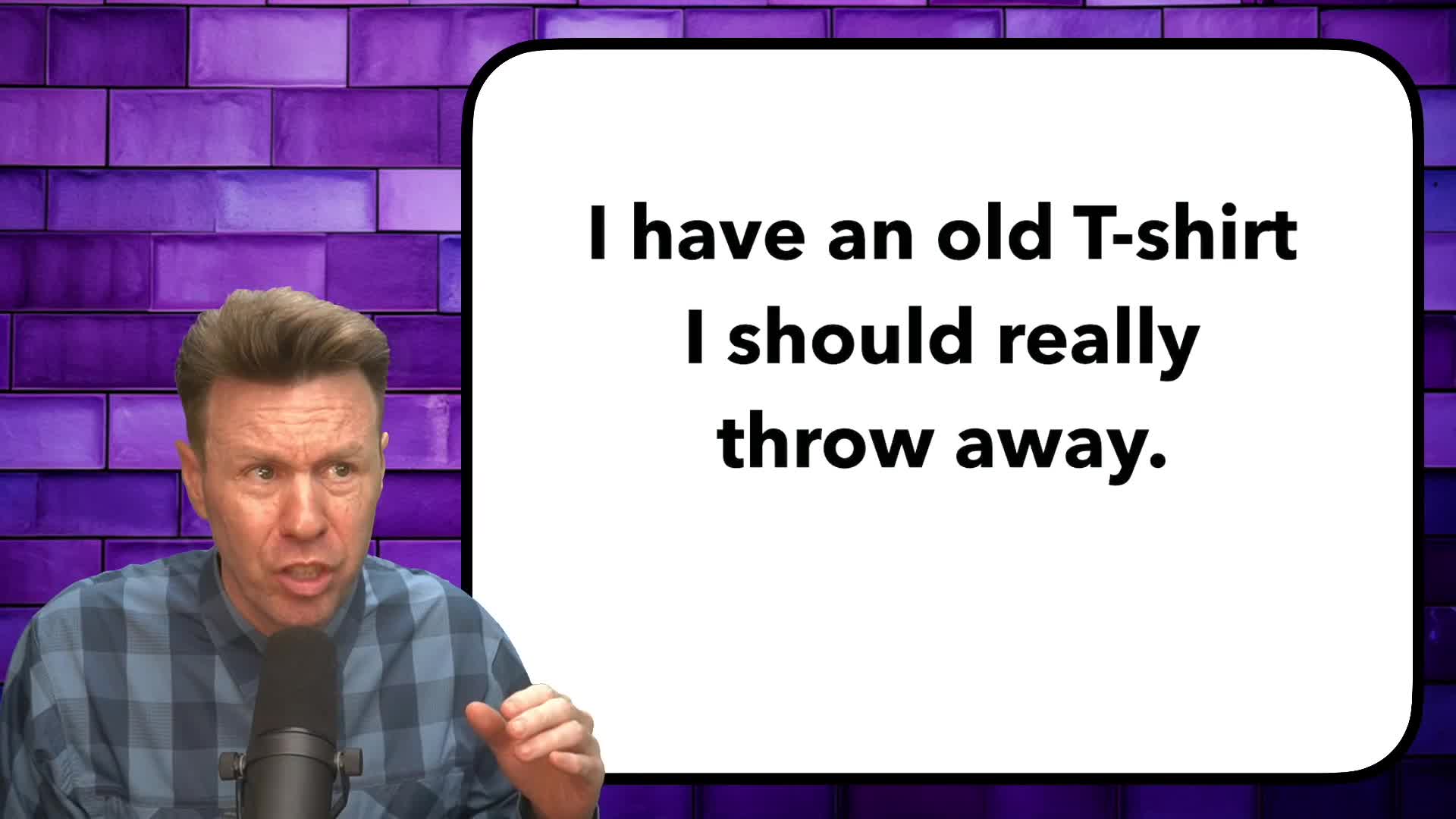
On a logical level, the narrator acknowledges that the item is past its prime. Described as being "gray or maybe it used to be white," featuring a "tiny hole in the front" and a "mysterious stain on the side," the shirt is objectively ready to be discarded. The narrator notes, "I know I should, but I can't throw it away," highlighting the classic internal conflict between rational decision-making and emotional preservation.
The T-Shirt as a Vessel for Memory
Why do we keep items that are "dead" or "embarrassing"? The narrator identifies that the value of the object is not in its fabric, but in its connection to personal history. The shirt is described as feeling "like a hug from the past." It serves as a physical trigger for core memories, such as:
- The narrator's "first concert."
- A "first road trip."
- A day spent climbing a mountain where the "view was spectacular."
By keeping the shirt, the narrator is not just keeping a piece of clothing; they are preserving the identity of the person they were during those specific, "awesome" life events. The shirt acts as a tangible link to those experiences, making it difficult to "toss it" or "get rid of it."
External Pressure vs. Internal Resistance
The narrator illustrates the social friction caused by this attachment. Friends tell the narrator, "dude, that shirt is dead," and their mother labels it as "embarrassing." Even the family dog is portrayed as questioning the decision, looking at the shirt as if to say, "Are you sure you want to keep that?" Despite this external pressure, the narrator's physical reaction—finding that their "hand won't move" when standing over the trash can—underscores the power of emotional inertia.
The Ritual of Preservation
The conclusion of the narrative is one of hesitation. Rather than discarding the item, the narrator chooses to "fold it gently and put it back in the drawer." This ritualistic act of care demonstrates that for many, the act of keeping is a form of honoring one's past. The phrase "Maybe I'll throw it away next time. Probably. Maybe. Well, we'll see" perfectly captures the procrastination inherent in letting go of sentimental clutter.
Conclusion
This story serves as a reminder that objects often become extensions of our personal narratives. While the advice to "let it go" is sound, the human tendency to hold onto the past is a powerful, if sometimes irrational, force. As the host notes, being "persistent and consistent" is essential for growth, yet recognizing the emotional weight of our belongings is the first step toward understanding ourselves.

Deep Learning with ListenLeap


