
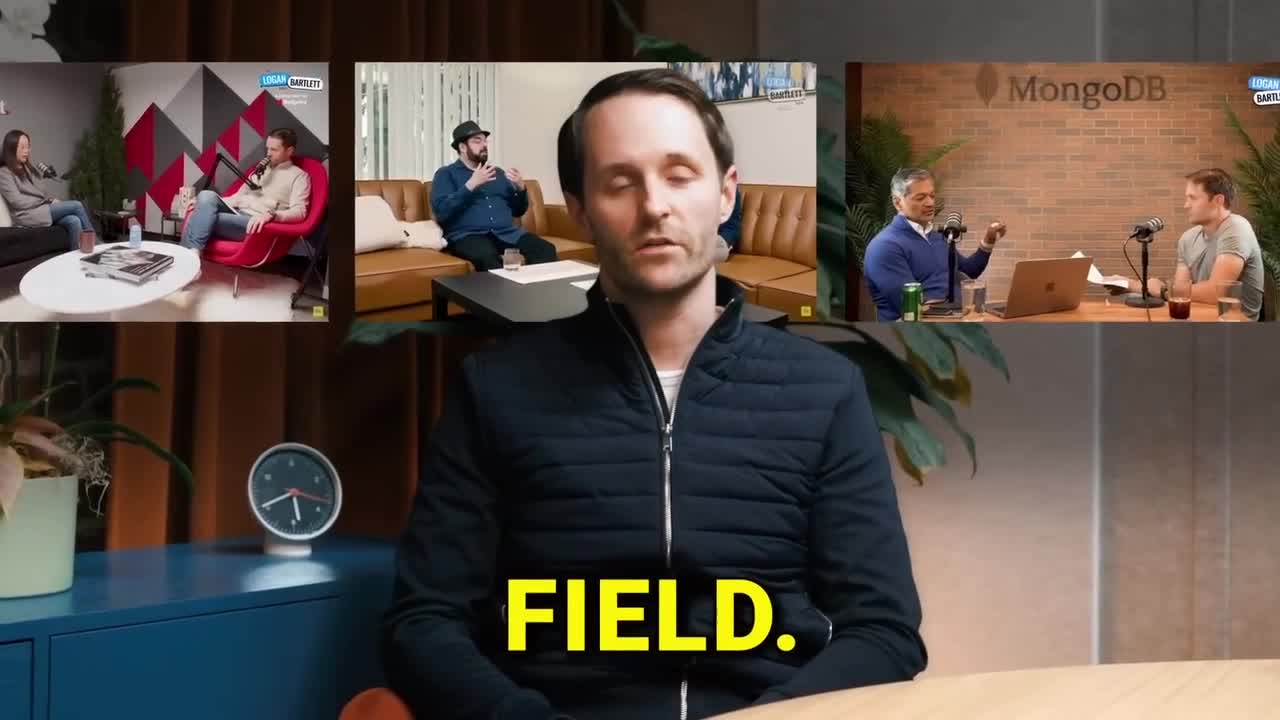
[The Evolution of AI Interaction: A Conversation with Sam Altman]-[Sam Altman talks GPT-4o and Predicts the Future of AI]
📋 Summary
The Future of Human-Computer Interaction and OpenAI's Trajectory
The Shift in Voice Control Technology
For decades, the concept of "voice control computers" has existed as a novelty, yet it has historically failed to achieve a sense of natural integration. The host highlights a significant breakthrough in current technology, describing the experience as having an unprecedented level of "fluidity" and "pliability." This evolution represents a departure from the clunky, rigid voice interfaces of the past, moving toward a more intuitive interaction model that feels remarkably organic to the user. The enthusiastic reception of this advancement suggests that we have finally reached a turning point where talking to machines feels less like issuing commands and more like engaging in a seamless dialogue.
The Role of the Logan Bartlett Show in Tech Discourse
The Logan Bartlett Show serves as a platform for deep-dive discussions with "leaders in technology" and prominent investors. The podcast aims to distill "lessons" learned from the operational and investment trenches of the tech industry. In this specific episode, the focus shifts to the "leading frontier" of artificial intelligence. By hosting Sam Altman, the co-founder and CEO of OpenAI, the show seeks to move beyond surface-level headlines to explore the strategic direction of one of the most influential organizations currently shaping the future of computation.
Navigating the AI Frontier
As artificial intelligence remains highly "topical" in global news, the conversation with Sam Altman is framed as a critical inquiry into the state of the industry. The host notes that this discussion is "a little bit different" from standard episodes, as it specifically probes the trajectory of OpenAI. Altman’s perspective is sought not just as a CEO, but as a navigator of the AI frontier. The dialogue is designed to push on the complexities of AI development, addressing both the technical hurdles and the broader societal implications of deploying such powerful systems at scale.
Personal Transformations in the Age of AI
The episode begins by examining the human element behind the technology. When asked about the "weirdest thing" that has changed in his life while running OpenAI over the last "four or five years," Altman acknowledges that there has been "quite a lot of things" that have shifted. This introspective question highlights the immense pressure and rapid evolution that leaders in the AI sector face. The "unusual shift" in Altman’s life is indicative of the broader, seismic changes occurring in the tech landscape, where the pace of innovation has forced a re-evaluation of what is considered normal in both professional and personal spheres.
Conclusion: Looking Ahead
The conversation sets the stage for a comprehensive look at how OpenAI is not just building tools, but fundamentally changing how we interact with information. By focusing on the "fluidity" of new voice interfaces and the strategic vision of its leadership, the podcast provides a window into a future where artificial intelligence is woven into the fabric of daily life. As the industry continues to evolve, the insights provided by Altman remain essential for understanding the bridge between current technological capabilities and the long-term potential of AI.
Deep Learning with ListenLeap


