
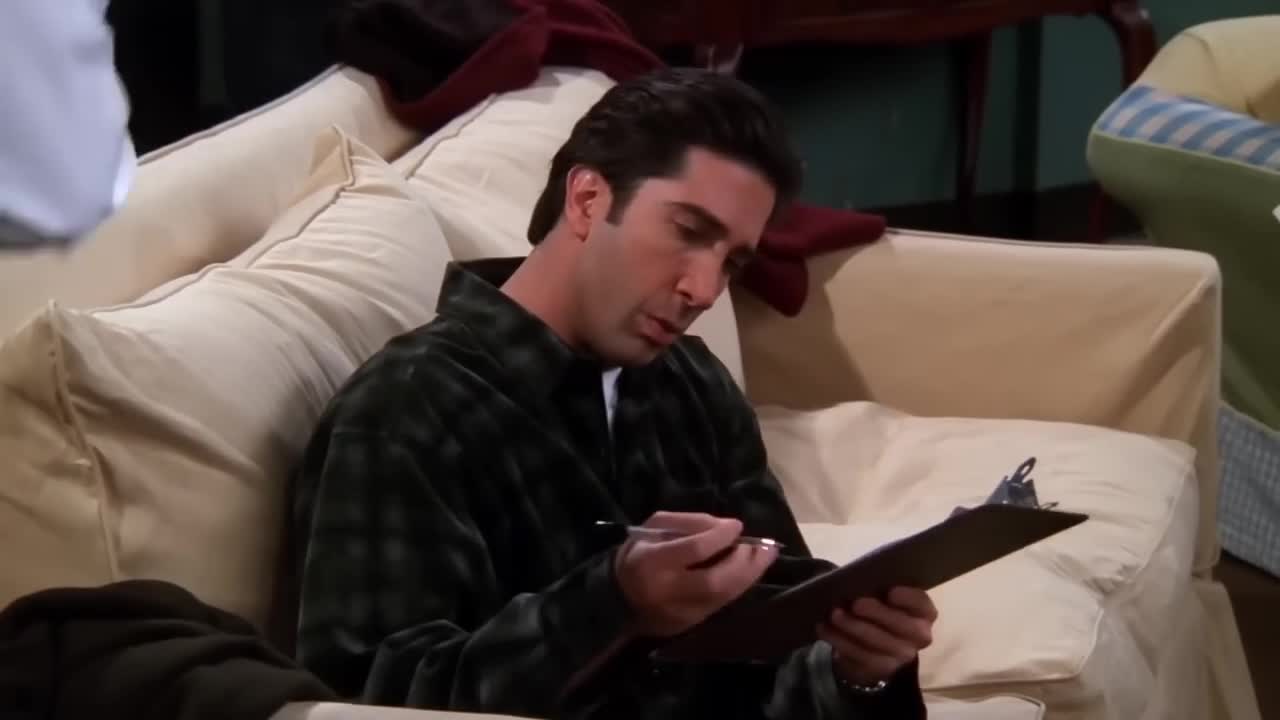
[The Couch Calamity: A Masterclass in Spatial Miscalculation]-[Ross Can't Get His New Couch up the Stairs | Friends]
📋 Summary
The Couch Calamity: A Masterclass in Spatial Miscalculation
The Decision to Forgo Delivery
The narrative begins with a classic display of frugality clashing with reality. When faced with a delivery charge that is "almost as much as the couch," the protagonist, Ross, decides to avoid the fee by transporting the furniture himself. Despite the delivery person's skepticism, Ross insists that because the destination is only "three blocks away" and the item is "not very heavy," the task is manageable. This initial overconfidence sets the stage for the comedic disaster that follows, as the physical reality of moving a large couch up a staircase quickly dismantles their optimistic expectations.
The Illusion of Coordination
As the moving process commences, the lack of professional expertise becomes immediately apparent. Ross’s assurance that there is an "elevator" proves to be false, leaving the group to navigate a cramped, non-accommodating stairwell. The coordination descends into chaos with commands like "go left," "lift it straight up over your head," and the repetitive chanting of "you got it, right?" This sequence highlights the absurdity of their attempt; they are operating without a cohesive strategy, relying on sheer brute force and verbal directions that fail to account for the physical geometry of the staircase.
The Strategic Failure of the "Pivot"
To bolster his efforts, Ross introduces "reinforcements" in the form of Chandler, much to the chagrin of others who expected more capable help. Ross attempts to intellectualize the process by presenting a "sketch of how we're gonna do it," which is met with confusion and ridicule regarding his self-depiction.
The climax of the struggle centers on the now-iconic command: "Pivot! Pivot! Pivot!" Ross’s desperate, rhythmic shouting represents his total obsession with forcing the couch to conform to his vision. However, the maneuver is doomed from the start. Despite his insistence that "it’s going to fit," the couch becomes hopelessly "stuck." The term "pivot" becomes a symbol of the group’s inability to reconcile their desire for success with the physical constraints of their environment.
The Absurd Resolution
Following the failure of the pivot, the situation takes an even more surreal turn. Upon inspecting the damaged, stuck furniture, it is revealed that the couch has been "cut in half." The final exchange between Ross and the store representative serves as the ultimate punchline to the ordeal. Ross, maintaining his composure as a "reasonable man," attempts to return the bifurcated furniture. The store representative’s incredulity—"You're telling me this couch was delivered to you like this?"—contrasts sharply with Ross’s deadpan request for an exchange. The final settlement of "$4" in store credit underscores the utter futility of the entire endeavor, proving that the cost of avoiding a delivery fee was far higher than the price of the couch itself.
Conclusion
This story serves as a cautionary tale about the perils of DIY logistics. By ignoring professional advice and relying on poorly conceived "sketches" rather than spatial reality, the characters transform a simple delivery into a catastrophic event. The transition from the confident "I can do it" to the pathetic acceptance of four dollars in credit perfectly encapsulates the hubris inherent in ignoring the limits of one’s own capabilities.
Deep Learning with ListenLeap


