
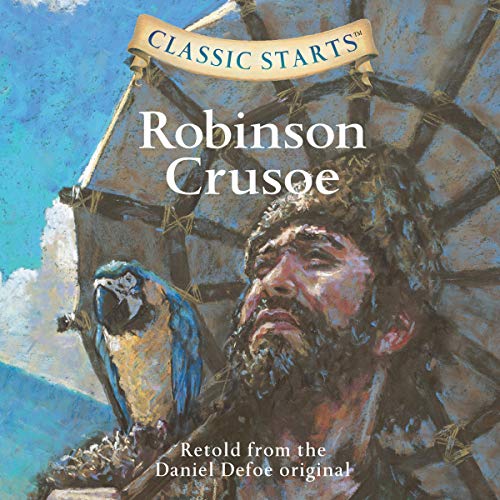
[The Rescuer and the Saved: Robinson Crusoe’s Encounter with Friday]-[Robinson Crusoe - Part 26]
📋 Summary
The Turning Point: A Chance Encounter
After months of solitary existence, Robinson Crusoe’s isolation was interrupted by the sudden return of the natives. Witnessing the arrival of at least thirty men on the shore, Crusoe observed the terrifying scene from a distance, noting that the "poor men" brought as prisoners were "tied up with vine ropes and looked scared to death." The brutality of the natives was evident when a "very large man" physically assaulted one of the prisoners, setting the stage for a dramatic escape.
A Moment of Decisive Action
The escape of the second prisoner toward Crusoe’s hiding spot forced a life-altering decision. As the man ran with incredible speed, pursued by two captors, Crusoe realized, "In a split second, I made up my mind to help the poor man." Demonstrating both ingenuity and courage, Crusoe stepped from the bushes to trip one pursuer and successfully "knock him out cold." This act of intervention shifted the power dynamic, allowing Crusoe to rescue the prisoner, whom he would later name Friday.
The Birth of a New Companionship
Following the rescue, the communication barrier was significant, yet the human connection was immediate. Crusoe provided the man with food and water, noting that the stranger was "very hungry and thirsty." Unable to understand the man’s native language, Crusoe decided to name him "Friday" to commemorate the day of his rescue. The interaction was marked by mutual trust, even without a shared tongue. Crusoe described the scene of Friday falling asleep on his straw mat as a moment of profound significance: "It was wonderful to have someone to talk to."
Building a Bond Through Shared Labor
Friday is described as a "very tall man" with "long dark hair," wearing skins similar to Crusoe’s own attire. Despite the linguistic divide, their relationship flourished through shared labor and proximity. Crusoe noted his surprise that Friday showed no desire to return to his own people, choosing instead to stay. Over the course of more than two months, the two men worked "hard, side by side." This period marked a fundamental shift in Crusoe’s narrative—from a story of total isolation to one of partnership and cross-cultural reliance. Their ability to "get along well" despite the absence of a common language serves as a powerful testament to the human need for companionship, even in the most desolate of circumstances.
Deep Learning with ListenLeap


