
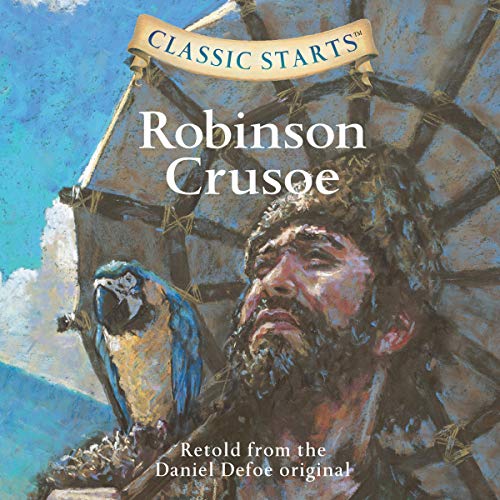
[The Echoes of Hope and Solitude: A Reflection on the Shipwreck]-[Robinson Crusoe - Part 25]
📋 Summary
The Tragic Discovery: A Beacon in the Dark
For twenty years, the narrator has lived a life of isolation and routine on his island, maintaining a “cooking cave” and keeping a “daily watch” to stay safe from the perceived threat of natives. This fragile sense of security was shattered one night by the sound of a “cannon shot in the distance.” Driven by the desperate hope of rescue, the narrator braved the elements to light a “big bonfire” as a signal. Despite his efforts and the subsequent “two more cannon shots,” the hope for human contact was met with a devastating reality at dawn.
The Sight of Tragedy: A Mirror to the Past
As the fog cleared, the narrator discovered a “wreck” dashed against the very rocks that had nearly claimed his own life years prior. The realization that there were “no survivors” hit him with profound force, leading him to feel “more alone at that moment than I had in all of the twenty years” he had spent in exile. This moment serves as a poignant reminder of his enduring isolation, where the potential for rescue was replaced by the somber task of salvaging what remained of the vessel.
Salvaging Riches and the Burden of Materialism
Despite the tragedy, the narrator ventured out to the wreck, discovering a “scrappy little fellow,” a dog he would name “Scruffy.” The salvage operation yielded “extraordinary treasures,” including “flavored drinks,” “sweet meats,” “brand new shirts,” and even “three great big bags of gold.” While these items initially provided a sense of “excitement,” the narrator quickly noted that these material riches were fleeting. The “cordial waters” were consumed and the “sweetmeats” eaten, and life inevitably “returned to normal.” The gold, ironically, became just another object stored in his cave, emphasizing the narrator's realization that material wealth holds little value in the face of true solitude.
The Shift Toward Escape
Following the wreck and the arrival of Scruffy, the narrator reached his 24th anniversary on the island. While he reflected on the “happy years of hard work and lots of success,” the pervasive fear of the natives made it increasingly difficult to find joy. This anniversary acted as a catalyst for a psychological shift; he became “convinced” that it was time to leave.
Planning for the Future: A Risky Gamble
The narrative concludes with the narrator spending the “entire rainy season” formulating a plan for his escape. His strategy centers on an audacious idea: attempting to “make peace” with the natives. He contemplates whether it is possible to “make friends with them,” hoping that this dangerous gamble might finally provide him with a way to leave the island. This transition from passive survival to active planning marks a significant evolution in the narrator's character, as he prepares to risk everything for the possibility of returning to the world of men.
Deep Learning with ListenLeap


