
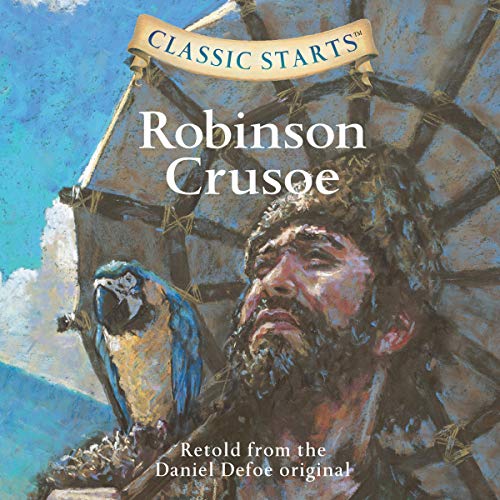
[The African Expedition: Navigating Trade, Mentorship, and Ambition]-[Robinson Crusoe - Part 05]
📋 Summary
The Turning Point in London
The narrator’s narrative shifts significantly upon arriving in London, where a streak of misfortune is replaced by a serendipitous meeting with Captain Culpepper. Fresh from a “successful” African voyage, Culpepper becomes the catalyst for the narrator’s transition from a wanderer to a professional seafarer. The relationship transcends simple employment; the narrator notes that Culpepper “took me under his wing,” establishing a dynamic of mentorship that would define the narrator’s future career path.
Education and the Trials of the Sea
Captain Culpepper is characterized as an “honest and fair man,” providing not only professional guidance but also practical education. During their time at sea, Culpepper imparts essential knowledge, teaching the narrator “mathematics, navigation and many other things seamen need to know.” This mentorship was holistic, as Culpepper also assisted in procuring items for trade, effectively coaching the narrator on how to “make small profit.”
However, the journey was not without its hardships. The environmental challenges of regions “close to the equator” proved physically taxing, resulting in a “great fever” that left the narrator sick for much of the time spent in the south. This period underscores the dangers inherent in these voyages, contrasting the intellectual gains of navigation with the physical toll of exploration.
Commercial Success and Personal Loss
Upon returning to London after “almost a year at sea,” the results of the voyage were twofold. Professionally, the narrator experienced a breakthrough, discovering a natural aptitude for commerce. The narrator notes, “I found out that I was a good trader” and had managed to secure a “solid profit from my goods.” This success served as a validation of the narrator’s life choices, reinforcing the decision to pursue a seafaring life despite the disapproval of “John’s father.”
Tragically, the return to colder climates brought mixed results. While the narrator’s health recovered, Captain Culpepper succumbed to the same fever he had contracted during the voyage. The narrator describes the loss of a “loyal friend and mentor” with profound sadness, yet this grief is quickly superseded by a relentless drive for further adventure.
The Call of Adventure and Future Ambition
The final phase of the chapter highlights the narrator’s burgeoning obsession with trade and travel. Rather than settling down or mourning indefinitely, the narrator entrusts “most of my newfound fortune” to Culpepper’s widow and immediately accepts an offer from the first mate to return to Africa. This decision illustrates a pivotal shift in the narrator’s character: the desire for wealth and the allure of the unknown have become the primary drivers of their existence. By choosing to “jump at the chance” to sail again, the narrator confirms that the lessons learned from Culpepper—both in navigation and in the art of the trade—have successfully prepared them for a life defined by constant movement and commercial risk-taking.

Deep Learning with ListenLeap


