
[The Landfill Orchestra: Turning Waste into Harmony]-[Recycling for Music]
📋 Summary
The Landfill Orchestra: Turning Waste into Harmony
In the heart of Cateura, Paraguay—a town built around one of the country's largest landfills—a remarkable transformation has taken place. What began as a desperate struggle for survival among families who work as "garbage pickers" has evolved into a global symbol of hope and creativity. This is the story of the Recycled Orchestra of Cateura, an initiative that turned discarded waste into instruments of change.
The Genesis of an Unlikely Orchestra
In 2006, Favio Chavez, a musician with a passion for teaching, sought to provide music education to the children of the landfill. However, he faced a harsh reality: a lack of resources. In a community where "a violin is worth more than a house," traditional instruments were an impossible luxury. The children could not take instruments home for fear they would be stolen or damaged. To overcome this, Chavez collaborated with Nicolás Gómez, a skilled garbage picker with a talent for construction. Together, they embarked on an experiment: building musical instruments from the very "community resource" that surrounded them—garbage.
Crafting Music from Refuse
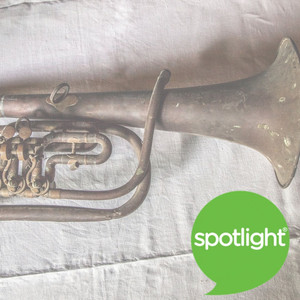
The process of creating these instruments was one of trial and error, involving materials salvaged from the landfill. According to the text, "old pieces of metal became violins," with "an old fork" serving to hold the strings in place. Cellos were fashioned from "large, empty metal containers that once held oil," while the tops of discarded bottles were repurposed as keys for clarinets. Through persistence, Chavez and Gómez discovered which materials produced the best sounds, eventually creating instruments that "sounded very similar to costly musical instruments." As Gómez reflected, he "never imagined" he would be building such instruments, yet he felt immense joy seeing children play them.
A Catalyst for Social Change
The orchestra quickly grew, serving as a sanctuary for local youth. By keeping children engaged in music, Chavez provided a vital alternative to the "illegal drugs and dangerous groups or gangs" that plagued the community. Brandon Cabone, a 16-year-old bass player, noted that the orchestra gave him "hope" and a clear direction, helping him aspire toward a university education and a better life.
Chavez describes the orchestra as an "island in the community," a place where children can develop values despite the surrounding "drug use, alcohol, violence and child labour." The impact, however, extends beyond the children. The success of the young musicians has inspired parents to seek sobriety and return to school, driven by the desire to mirror the progress of their children. The orchestra has effectively become a mirror that reflects the potential of the entire community, proving that even in the face of "extreme poverty," these individuals can "give something to the world."
A Global Message of Hope
The story of the Recycled Orchestra eventually caught the attention of filmmakers, leading to the creation of the documentary, The Landfill Orchestra. Director Graham Townsley noted that the project "encourages wonder and respect," highlighting the indomitable spirit of people who, despite living in poverty, possess the vision to build something beautiful.
Ultimately, the orchestra serves a dual purpose. While it provides music education, it also carries a profound "social message." It challenges the world to see beyond the poverty of the people of Cateura and recognize their inherent value. As Chavez emphasized, these students "deserve a chance." Through the simple act of turning trash into treasure, the Recycled Orchestra of Cateura has proven that hope can grow in the most unlikely of places, inspiring a community to believe in its own future.
Deep Learning with ListenLeap


