
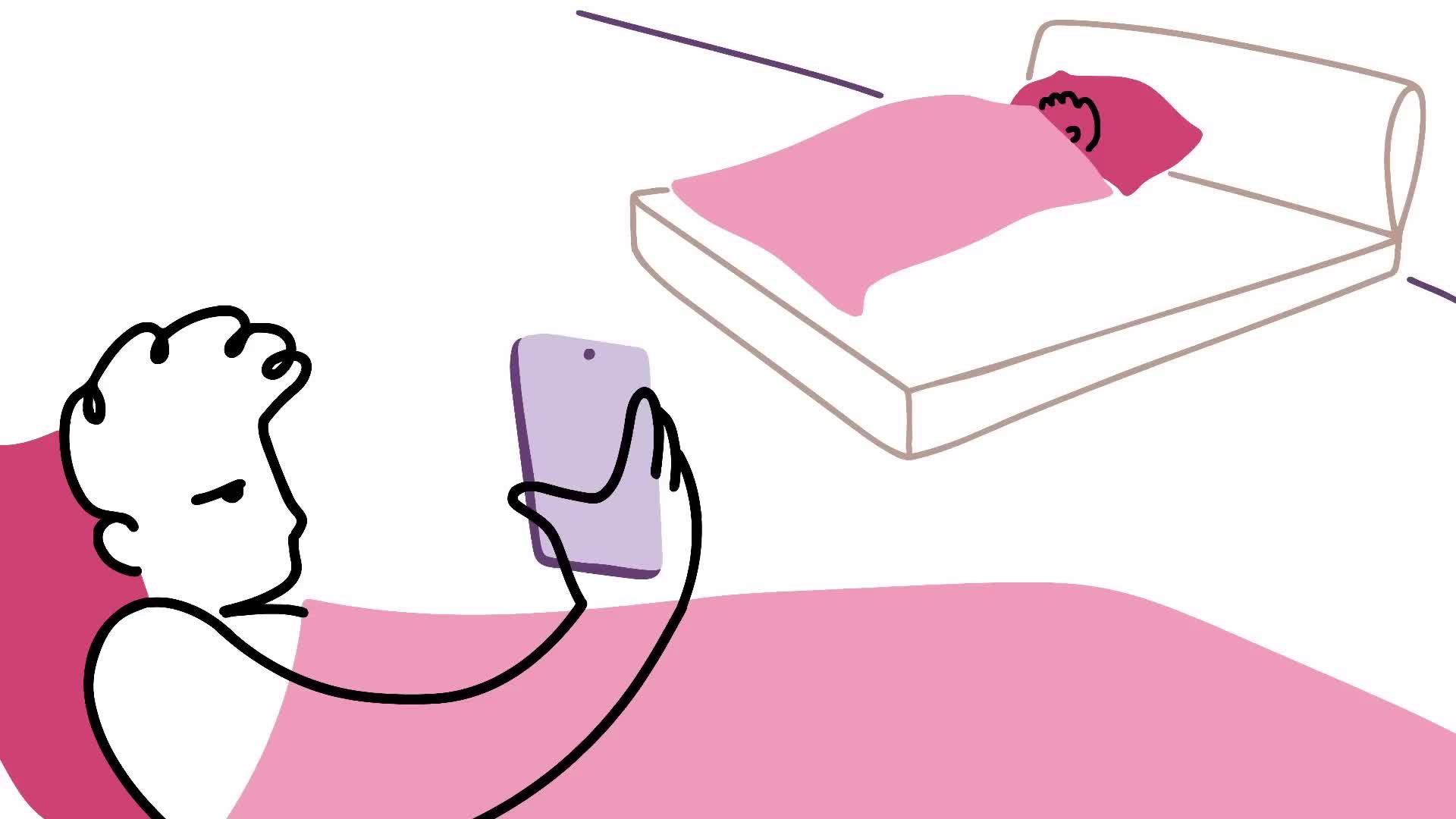
[Navigating the Avoidant Attachment Style: From Unconscious Acting Out to Conscious Recovery]-[A Guide For the Recovering Avoidant]
📋 Summary
Understanding Avoidant Attachment
Attachment theorists have coined the term "avoidant" to describe individuals who experience profound difficulties with intimacy. While these individuals may desire closeness in principle, they often feel "claustrophobic and sickened" when a relationship becomes too involved. This manifests as a compulsive need for solitude after intimacy, a desire for independent plans, or a tendency to cool off when a partner shows affection. These behaviors are not conscious choices but rather deep-seated responses rooted in past experiences with caregivers who "let us down" or failed to provide a secure foundation, teaching us that "love was not to be trusted."
The Crucial Distinction: Acting Out vs. Insight
There is a transformative difference between being unconsciously avoidant and possessing the self-awareness to recognize these tendencies. The podcast emphasizes that "there is a difference, in other words, between acting out and insight." While insight does not immediately cure the condition, it provides the "enormous advantage" of being able to communicate one's internal state to a partner. Instead of mysteriously ruining plans or creating distance without explanation, the avoidant individual can articulate their struggle, frame it as an internal "awkward set of emotional responses," and take responsibility for their "peculiar" behavior.
The Power of Vulnerable Communication
For the recovering avoidant, radical honesty is a vital tool. By sharing their "follies" ahead of time, they demystify their behavior. A suggested approach is to explicitly tell a partner: "I'm so sorry for being peculiar... A part of me that dates back to a defence mechanism of childhood needs to put some walls between us." This speech acts as a bridge, clarifying that the distance is not a lack of love, but a "defence mechanism" triggered by the "terrors" of depending on someone. By owning the fact that "proximity feels at some level odd and frightening," the individual stops being a source of mystery and pain and becomes a partner who is "committed to the work."
Aspiring to the 'Recovering Avoidant'
We may not be able to "magic away" these traits, but we can change how they impact our relationships. Approximately 25% of the population carries these avoidant traits, and they have the option to stop acting in the shadows. By moving into a "third position—that of the recovering avoidant," one accepts their "damage" while choosing to be transparent about it.
Ultimately, the goal is not perfection, but the acquisition of "maturity to be able to say I find love so hard and so frightening." When partners are forewarned, they can either choose to bear the behavior with greater understanding or exit the situation cleanly. For the avoidant, the path forward involves being under "no illusions as to their sanity" while remaining "daily committed to learning to slowly bear the ecstasy and sublime risks of mutual love."
Deep Learning with ListenLeap


