
[A New Beginning: Rebecca’s Journey to Riverboro]-[Rebecca of Sunnybrook Farm - Part 02]
📋 Summary
The Journey to Riverboro: A New Chapter for Rebecca
The Departure from Maplewood
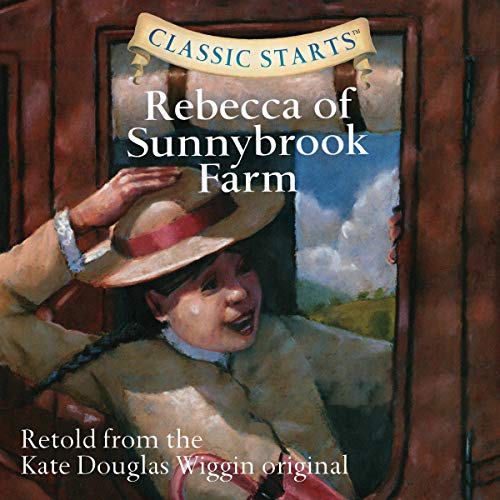
The narrative begins in the quiet town of Maplewood, where Mr. Jeremiah Cobb, a local stagecoach driver, prepares for his transit to Riverboro. The scene is set with a sense of routine as he stores mail and packages on his "old stagecoach." This mundane moment is interrupted by the arrival of Mrs. Randall and her eleven-year-old daughter, Rebecca. The interaction establishes the core premise of the story: Rebecca is being sent to live with her aunts, Miranda and Jane Sawyer, who reside in an "old brick house" in Riverboro.
Rebecca: A Spirited Personality
Rebecca is described as "small for her age," yet her presence is immediately felt through her eagerness and communicative nature. Mrs. Randall’s description of her daughter provides a clear window into Rebecca's personality. She warns Mr. Cobb that Rebecca "loves being around people and does like to talk" and that she "gets too excited sometimes." These traits contrast with the traditional expectations of a "young lady" that her mother tries to instill in her. Despite her mother's stern glances and reminders about propriety, Rebecca remains unabashedly herself, displaying a sense of wonder and independence that defines her character.
The Concept of Travel and Maturity
A significant moment occurs when Rebecca insists that her previous brief trip to a cousin's house constitutes being a "world traveler." She defends her claim by listing the actions involved: "I did leave the farm. I did pack a bag. I did take a nightgown." This exchange highlights the generational gap and the different perspectives on life experiences. While Mrs. Randall views this as a silly, childish remark—scolding Rebecca that "it's not proper to talk about nightgowns in front of Mr. Cobb"—Rebecca sees it as a legitimate milestone. Her final shout to her mother, "All I wanted to say was that it is a journey when you carry a nightgown," captures her precocious nature and her desire to be taken seriously as an individual.
Expectations and Future Prospects
As the stagecoach departs, moving along the "dusty road" under a mid-May sun that felt like "midsummer," the perspective shifts to Mrs. Randall. Watching the coach grow smaller in the distance, she reflects on the future. She acknowledges that her sister Miranda will "have her hands full with that girl," suggesting that Rebecca’s vibrant personality might be a challenge for the Sawyer household. However, Mrs. Randall remains optimistic about the move, believing that living with her sisters will "do wonders for Rebecca." She concludes with the hope that "a good education will be the making of her," setting the stage for Rebecca’s growth and the challenges she will likely face in her new environment.
Conclusion
The chapter serves as an evocative introduction to the world of Rebecca of Sunnybrook Farm. It successfully contrasts the rigid expectations of the adult world with the irrepressible spirit of a young girl. By the time the stagecoach disappears from view, the reader is left with a clear sense of Rebecca's character—a girl who is observant, talkative, and deeply eager for the "journey" that lies ahead of her in Riverboro.

Deep Learning with ListenLeap


