
[The Terror of Stillness: Why We Are Addicted to Overwork]-[The Real Reason We Work So Hard]
📋 Summary
The Illusion of Necessity
In our modern existence, we often justify our relentless work habits through the lens of "necessity." We convince ourselves that we labor because "nothing is cheap" and "the bills are incessant." These are the "good and wise and sensible reasons" we have internalized since adolescence. However, this narrative is "too neat," and deep down, we harbor a suspicion that our obsession with productivity serves a more complex, psychological function. We use the concept of necessity as a shield to avoid confronting the uncomfortable truths lurking beneath our professional performance.
The Terror of Stillness and Internal Dreads
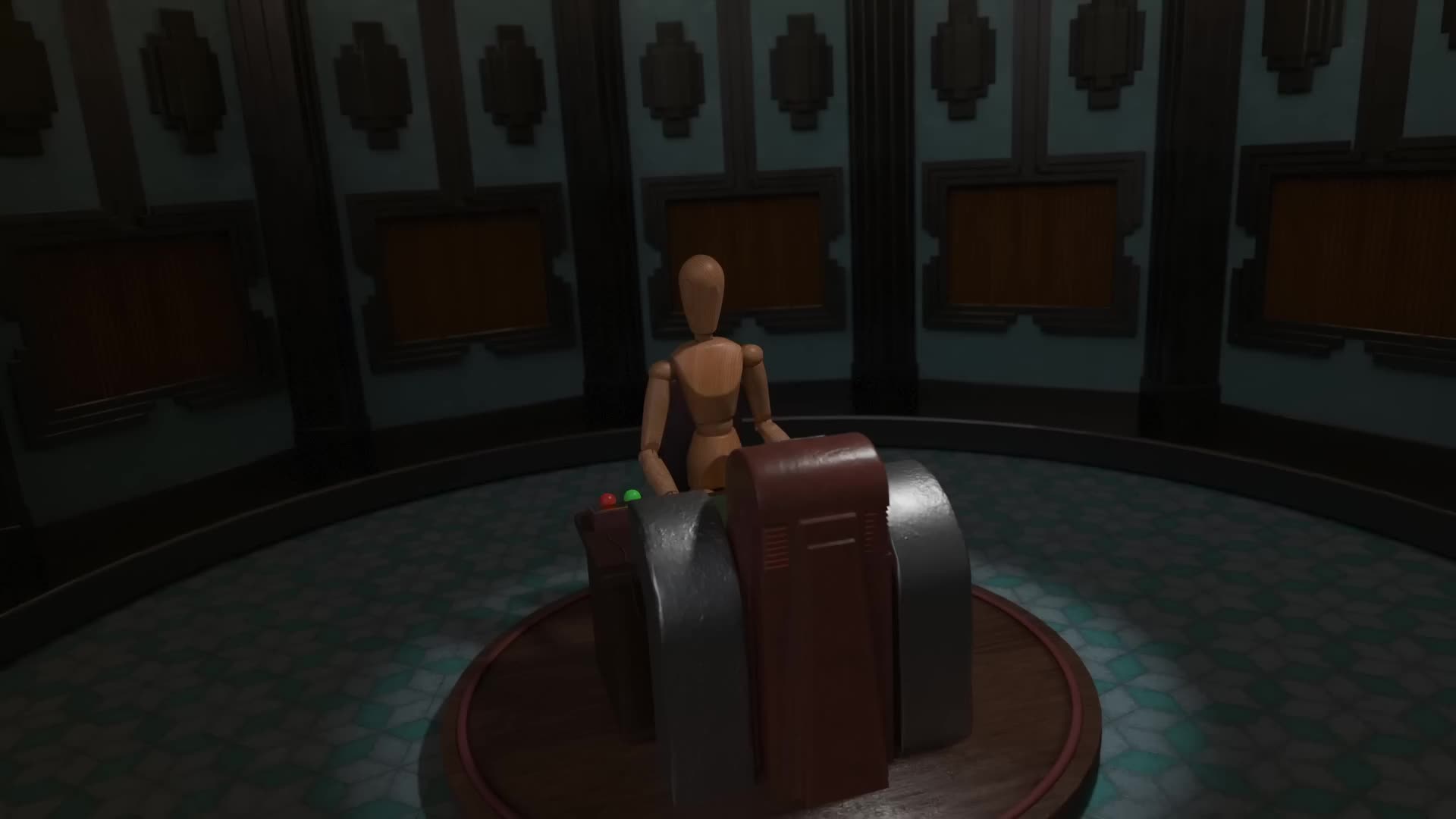
At the core of this behavior is a profound "terror of stillness." We are not merely working for survival; we are working to escape. Being "scared of the world" provides a "respectable distraction" from the "dread of our own minds." By filling every moment with tasks and professional obligations, we effectively use the "noise from without to drown the murmurs from within." We are terrified of the silence that would force us to face our own thoughts, anxieties, and the "untenable sadness and regret" that we have spent our lives running away from.
The Achievement Trap and the Loss of Self
Our identities have become inextricably linked to our output. We find it "inconceivable that we have any value beyond what we do," a mindset fostered by being "schooled early on in the art of being terrified." Because we have not been taught to value ourselves for our existence alone, we have "no idea how to let anyone know us outside of our achievements." This lack of self-worth creates a deep-seated fear: if we were to stop working, we would effectively cease to exist in the eyes of the world and ourselves. We despise anything that lacks a "charted purpose or goal," such as reading poetry, because it threatens to expose us to the "unexpected" aspects of our humanity.
The Flight from Vulnerability
Ultimately, our overwork is a form of flight. We avoid the "night"—the metaphorical space for reflection and vulnerability—because we fear the questions that might arise. If we were to pause and engage with these questions, we would have "no idea where we might have to go" or what aspects of our carefully constructed lives we might need to "discard."
We remain in this state of perpetual motion because we lack the emotional infrastructure to be still. We suffer from a lack of true connection, noting that "few people ever just held us quietly." Consequently, we have "no idea what to do with ourselves other than run." We find "peace so much harder than war," preferring the familiar struggle of professional exhaustion over the terrifying, quiet work of self-discovery. We must recognize that the "real work might lie elsewhere"—not in the office, but in the daunting task of confronting who we are when we are not producing.
Deep Learning with ListenLeap


