
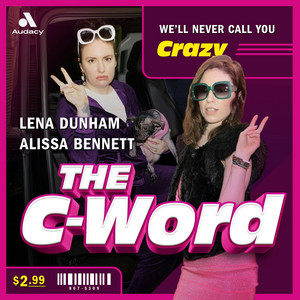
[The C-Word: Reclaiming the Narrative of Women Labeled 'Crazy']-[Presenting: The C-Word]
📋 Summary
The C-Word: Reclaiming the Narrative of Women Labeled 'Crazy'
Introduction: Beyond the Stigma
For centuries, the label "crazy" has served as a powerful tool for marginalization—a "diagnosis, a sentence, a stigma" whispered behind closed doors. In the podcast The C-Word, hosts Lena Dunham and Alyssa Bennett aim to dismantle this historical weaponization of language. By exploring the lives of women throughout history who have been branded with this derogatory term, the show moves beyond the superficial labels to interrogate who truly decides what constitutes “mad, sad or just plain bad” behavior. The podcast is not merely a historical retrospective; it is a bold, intimate, and humor-infused effort to rewrite the stories that society has long dismissed.
The “Historian of Bad Behavior” and the Vault
Lena Dunham and Alyssa Bennett, whom Dunham playfully introduces as a "historian of bad behavior," originally produced this series behind a paywall. By bringing the show out of the vault, they are "breaking her free, baby," inviting listeners to engage with these narratives as if opening a time capsule. Rather than finding the trivial remnants of high school—like "cigarette butts" or "old mixtapes"—the hosts guide the audience through a re-examination of how society has historically silenced women by questioning their sanity.
Deconstructing the “Crazy” Archetype
Central to the podcast is the provocative thesis that "nothing changes for women." The hosts argue that our culture remains "addicted to calling women crazy," a phenomenon that is "as old as time and maybe as recent as yesterday." By analyzing the public perception of various high-profile figures, the show highlights the systemic nature of this label. Featured stories include:
- Janet Cook: The journalist known for returning a Pulitzer Prize.
- Winona Ryder: Referenced for her infamous shoplifting incident, which the hosts use to bridge the gap between celebrity scandal and human fallibility.
- Robin Givens, Lindsay Lohan, and Mariah Carey: Women whose public narratives were often dominated by the media's obsession with their perceived instability.
The Power of Rewriting History
Ultimately, The C-Word posits that "history isn't just what happened; it's how we talk about it." By choosing to reclaim these narratives, Dunham and Bennett challenge the audience to consider the consequences of dismissing women through the lens of mental instability. They emphasize that while society may continue to apply these labels, listeners can choose to reject the stigma. As the hosts conclude, their mission is to ensure that while the world may continue to label women, they "will never, ever, ever" call their listeners crazy. The podcast serves as an invitation to look past the "sentence" of the stigma and find the complex, human truths hidden beneath the label.
Deep Learning with ListenLeap


