
[Understanding Poor Blood Circulation: Causes, Symptoms, and Lifestyle Remedies]-[Do I have poor blood circulation?]
📋 Summary
Understanding Poor Blood Circulation: Causes, Symptoms, and Lifestyle Remedies
Poor blood circulation is a common physiological concern that often manifests through physical discomfort in the extremities. While frequently perceived as a standalone condition, it is more accurately described as a "consequence of other conditions." Understanding the mechanics of the circulatory system and the underlying risk factors is essential for maintaining long-term vascular health.
The Mechanics of the Circulatory System
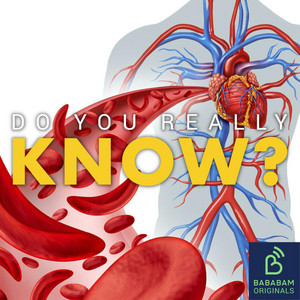
To understand circulation, one must recall the basic function of the body's vascular network, which spans an "incredible 60,000 miles worth of blood vessels." The system operates through a specialized division of labor:
- Arteries: Responsible for transporting blood, oxygen, and "essential nutrients" to the arms and legs.
- Veins: Tasked with the return journey, carrying blood back to the heart.
- Capillaries: The "smallest blood vessels" that act as the vital bridge connecting arteries and veins.
When this flow is restricted, the body’s extremities—specifically the hands and feet—often bear the brunt of the dysfunction, leading to the onset of symptoms.
Identifying Symptoms and Underlying Conditions
Poor circulation is rarely a primary diagnosis; rather, it is a secondary effect of systemic health issues. Common underlying triggers include "diabetes, obesity, and atherosclerosis." Individuals may notice specific physical warning signs, including:
- Heavy legs and nighttime cramps: Often the first indicators of restricted flow.
- Varicose veins: While usually "relatively harmless," they can lead to more severe complications.
- Serious Complications: Conditions such as "hemorrhoids," "phlebitis" (a blood clot in a deep vein), and "varicose ulcers" represent significant risks that necessitate professional medical evaluation.
Risk Factors and Lifestyle Influences
Certain demographics and lifestyle choices significantly increase the likelihood of developing poor circulation. Beyond genetics and family history, key risk factors include:
- Medical and Biological Factors: Pregnancy, smoking, and the use of "hormonal contraceptives."
- Sedentary Habits: Being "too sedentary" is a major contributor to poor vascular health.
- Dietary Habits: Excessive salt intake is particularly detrimental, as "salt retains water," which exacerbates the sensation of heavy legs.
Proactive Steps for Vascular Health
Improving blood flow requires a combination of activity and mindful adjustments to daily routines. To mitigate symptoms, the following strategies are recommended:
- Movement and Activity: It is crucial to "stay active" and break up long periods of sitting. Even when seated, performing "leg and ankle movements" or stretching can prevent stagnation.
- Hydration: Maintaining adequate fluid intake by drinking at least "1.5 litres of water per day" supports overall circulation.
- Physical Interventions:
- Elevation: Raising the legs while seated or lying down helps counter gravity.
- Temperature and Therapy: Showering legs with "cold water" or utilizing "compression stockings" can provide relief.
- Massage: Targeted massage can help alleviate tension and improve localized blood flow.
In conclusion, while poor circulation is a pervasive issue, it is largely manageable through awareness of one's lifestyle and proactive physical care. Recognizing the symptoms early and addressing the root causes—rather than just the discomfort—is the most effective path to maintaining a healthy circulatory system.
Deep Learning with ListenLeap


