
[The Struggle for Survival: A Polar Bear's Desperate Hunt]-[Polar Bear Takes on Walrus Herd | 20 Years of Planet Earth | BBC Earth]
📋 Summary
The High-Stakes Encounter in the Arctic
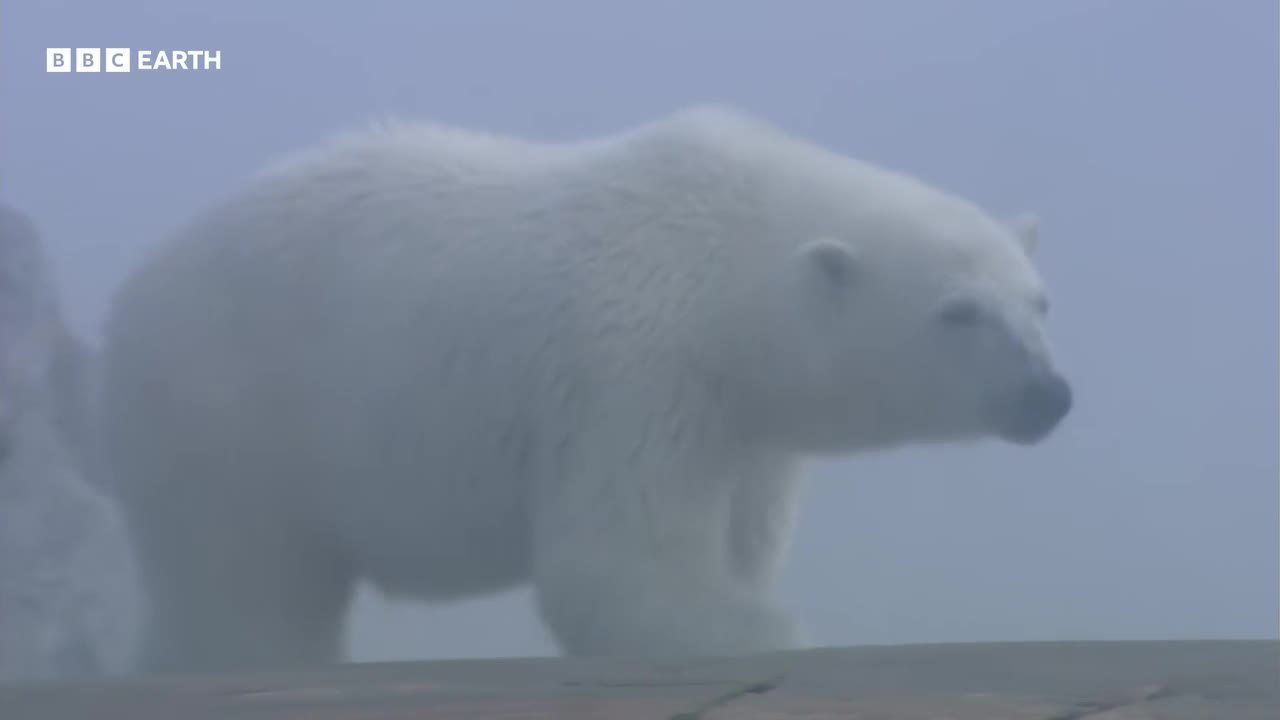
In the harsh environment of the Arctic, survival is a relentless pursuit of energy. The provided transcript illustrates a gripping, high-stakes encounter between a starving polar bear—the "world's largest land carnivore"—and a herd of walruses. This narrative captures the raw tension of nature as the bear attempts to secure his "first meal in months," highlighting the strategic defensive maneuvers of the walruses and the physical limitations of the predator.
The Strategic Defensive of the Herd
The encounter begins with the bear attempting to leverage environmental conditions, specifically a "sea fog" that "shrouds the island," to mask his approach. However, the walruses demonstrate a sophisticated collective defense mechanism. Upon sensing danger, the adults "close ranks around their young," effectively creating an impenetrable "wall of blubber and hide." This defensive formation proves to be a formidable obstacle, as the bear "tests the banner" only to find it "stands firm." The walrus herd displays a remarkable cohesion, prioritizing the protection of the vulnerable pups through sheer physical proximity and mass.
Physical Limitations and Predator Desperation
As the confrontation intensifies, the narrative underscores the physical disparity between the two species. Despite being a formidable predator, the bear finds that his "claws and teeth can't penetrate" the "thick hide" of the adult walrus. This biological reality forces the bear into a state of increasing desperation. The text notes that the bear is "exhausted from his swim" and must "regain his strength," yet the urgency of his hunger drives him to persist.
When the bear attempts to isolate a female walrus who is "shielding her pup," he is met with the immense power of his prey. The interaction reveals that the walrus is not merely a passive victim; the "flailing walrus" is described as "immensely powerful," capable of dragging the bear away from the shallows. This counter-offensive maneuver by the walrus serves to protect the herd and highlights the bear's vulnerability when he fails to secure a quick, decisive strike.
The Final Outcome: A Failed Hunt
The narrative concludes with the bear's failure to breach the herd's defenses. As the walruses retreat toward the water, the bear's opportunity "is slipping away." The phrase "it's now or never" emphasizes the critical nature of the hunt, yet the outcome remains one of survival for the prey. The bear's inability to find a "chink in the armor" signifies that, in this specific instance, the walruses have successfully defended themselves against the apex predator. The encounter serves as a poignant reminder of the brutal efficiency of nature, where even the most powerful carnivores are often met with a match that renders their hunting efforts futile, ultimately leaving the bear to face the continued reality of his starvation.

Deep Learning with ListenLeap


