
[Mastering Natural English: Essential Phrases for Daily Conversations]-[Phrases to Speak English Naturally SPEAKING PRACTICE]
📋 Summary
Mastering Natural English: Essential Phrases for Daily Conversations
Learning to speak English naturally requires more than just mastering grammar; it involves adopting the idiomatic expressions that native speakers use to navigate daily social interactions. This guide breaks down key phrases from our recent practice session, categorized by their functional use in conversation.
Managing Expectations and Pacing
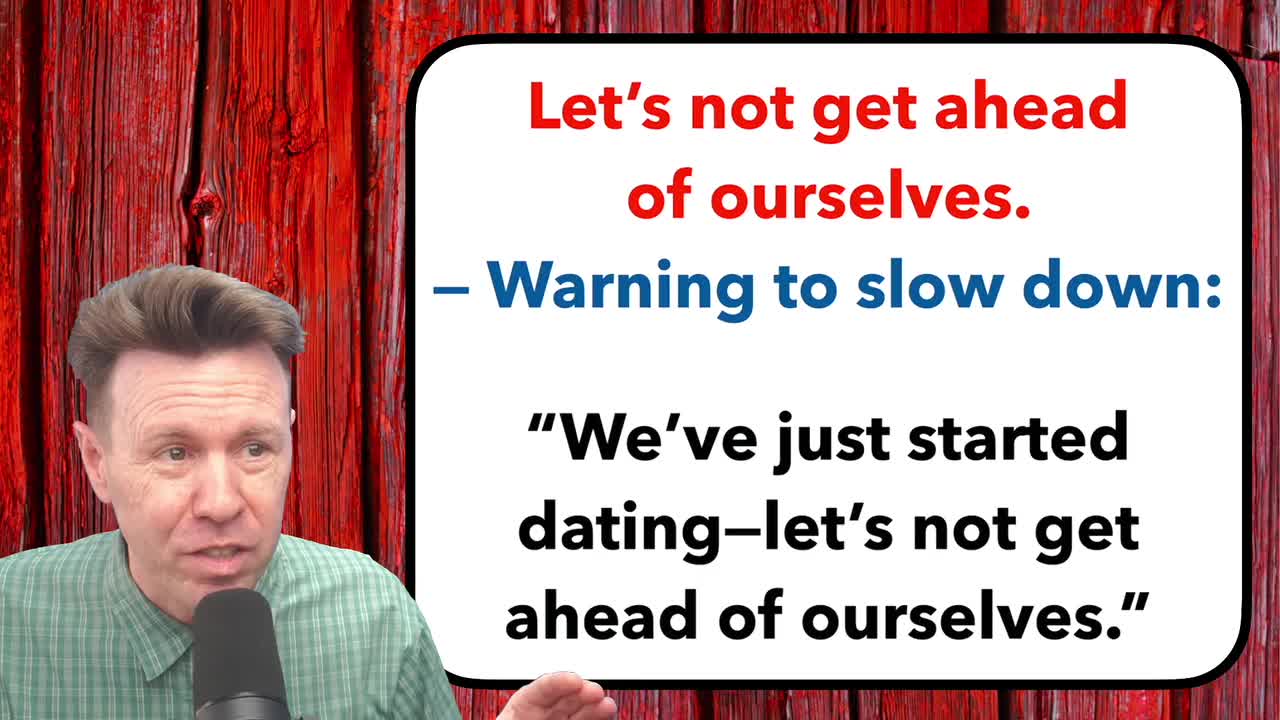
Communication is often about timing. When things move too quickly, you might say, "Let's not get ahead of ourselves," serving as a polite warning to slow down. Conversely, when you are waiting for something that has been long overdue, the phrase "It's about time" perfectly captures that feeling of relief or slight impatience when an event finally occurs.
Social Etiquette and Politeness
Navigating social friction requires specific social markers. When you need to apologize for a minor error, "My bad" is a common, albeit grammatically informal, way to admit a mistake. If a disagreement arises, you can smooth things over by asking, "No hard feelings?" to ensure you are still on good terms. However, if you genuinely disagree with someone, you might use the expression "I beg to differ," though be aware that it can sound slightly harsh depending on the context. If you want to ensure your intentions are not misinterpreted during a critique, use "Don't get me wrong" to clarify your position before adding a caveat.
Expressing Personal States and Desires
English speakers often use colorful idioms to describe their physical or mental states:
- "Catch some Zs": A casual way to say you need to get some sleep.
- "I'm getting there": Used to describe the process of making progress toward a goal, even if you haven't quite reached it yet.
- "I got carried away": The perfect phrase for when you realize you have done too much or spoken too long.
- "I wish": A concise way to express a desire for something that isn't currently true, such as being on vacation.
Reacting to the Unexpected
When faced with something surprising or unusual, native speakers often use "That's random" to acknowledge the strangeness of a situation—like a friend buying a pet snake. If you suspect someone is joking or playing a prank, you can challenge them by asking, "Are you pulling my leg?"
Practical Daily Interactions
Some phrases are strictly functional, designed to manage the logistics of daily life:
- "Take it easy": A friendly, standard way to wish someone well when departing.
- "I'll be right back": A universal way to signal that you are leaving for just a moment.
- "Let's play it by ear": Used when you want to keep plans flexible rather than setting a rigid schedule.
- "I call shotgun": A uniquely native expression used to claim the front passenger seat of a car.
Closing Thoughts
Whether you are praising an achievement with "I'm so proud of you", declining an activity with "Count me out," or reassuring someone with "Don't sweat it," these phrases are the building blocks of natural speech. Remember, language learning is a journey; keep moving forward one step at a time, and continue to mimic these patterns to sound more like a native speaker.
Deep Learning with ListenLeap


