
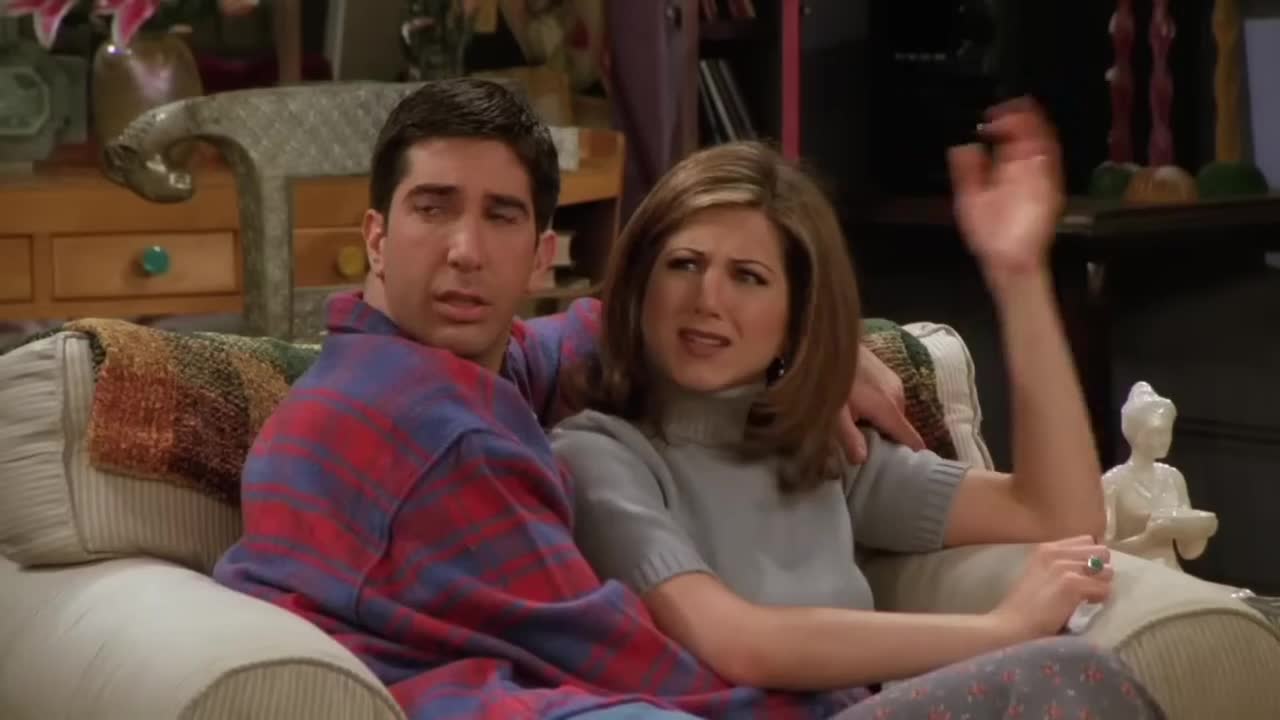
[The Traumatic Revelation: Phoebe’s Distorted Childhood Memory of 'Old Yeller']-[Phoebe Learns How ‘Old Yeller’ Actually Ends | Friends]
📋 Summary
The Illusion of a Happy Ending
The conversation begins with a casual gathering where Monica is hosting a movie night, specifically featuring the classic film Old Yeller. The group’s reaction is immediately polarized. While Phoebe maintains a cheerful demeanor, insisting that it is a "happy movie" about a "happy family" getting a dog and engaging in "frontier fun," the rest of the group—aware of the film's tragic reality—is visibly distressed. Phoebe’s perception is rooted in her childhood, where her mother would habitually "shut off the TV" right before the film’s climax, effectively curating a sanitized version of the story that excluded the darker elements of the plot.
The Denial of Reality
A significant point of contention arises when the group attempts to reconcile Phoebe’s version of the movie with the actual narrative. When confronted with the mention of the dog contracting rabies, Phoebe flatly denies the premise, insisting, "He doesn't have rabies. He has babies." This delusion showcases the lengths to which her mother went to protect her from the harsh realities of life. The group realizes that Phoebe has been living under the impression that the film concludes with the dog saving the family from a wolf, with "everyone's happy."
The Cruel Confrontation with Truth
As the group forces Phoebe to watch the actual ending, the atmosphere shifts from lighthearted confusion to genuine horror. The transcript captures the moment of realization as Phoebe watches the scene where Travis approaches the dog with a gun. Her immediate, visceral reaction—"Hey, Travis, what you doing with that gun?" and "No, no, no, no. He's your buddy. He's your yeller"—marks the shattering of her long-held belief system. The tragedy of the film is not just the death of the dog, but the traumatic loss of her innocence as she is finally exposed to the "sick doggy snuff film" that the others knew all along.
Conclusion: The Impact of Parental Censorship
This interaction serves as a poignant, albeit comedic, exploration of how parental censorship can fundamentally alter one's perspective on reality. Phoebe’s confusion stems from a lifetime of being shielded from the concept of mortality in media. By the time she shouts "The end," the realization is complete: the "happy movie" she cherished was a fabrication, and the harsh truth of the film’s conclusion leaves her reeling, forever changing her understanding of a childhood classic.
Deep Learning with ListenLeap


