
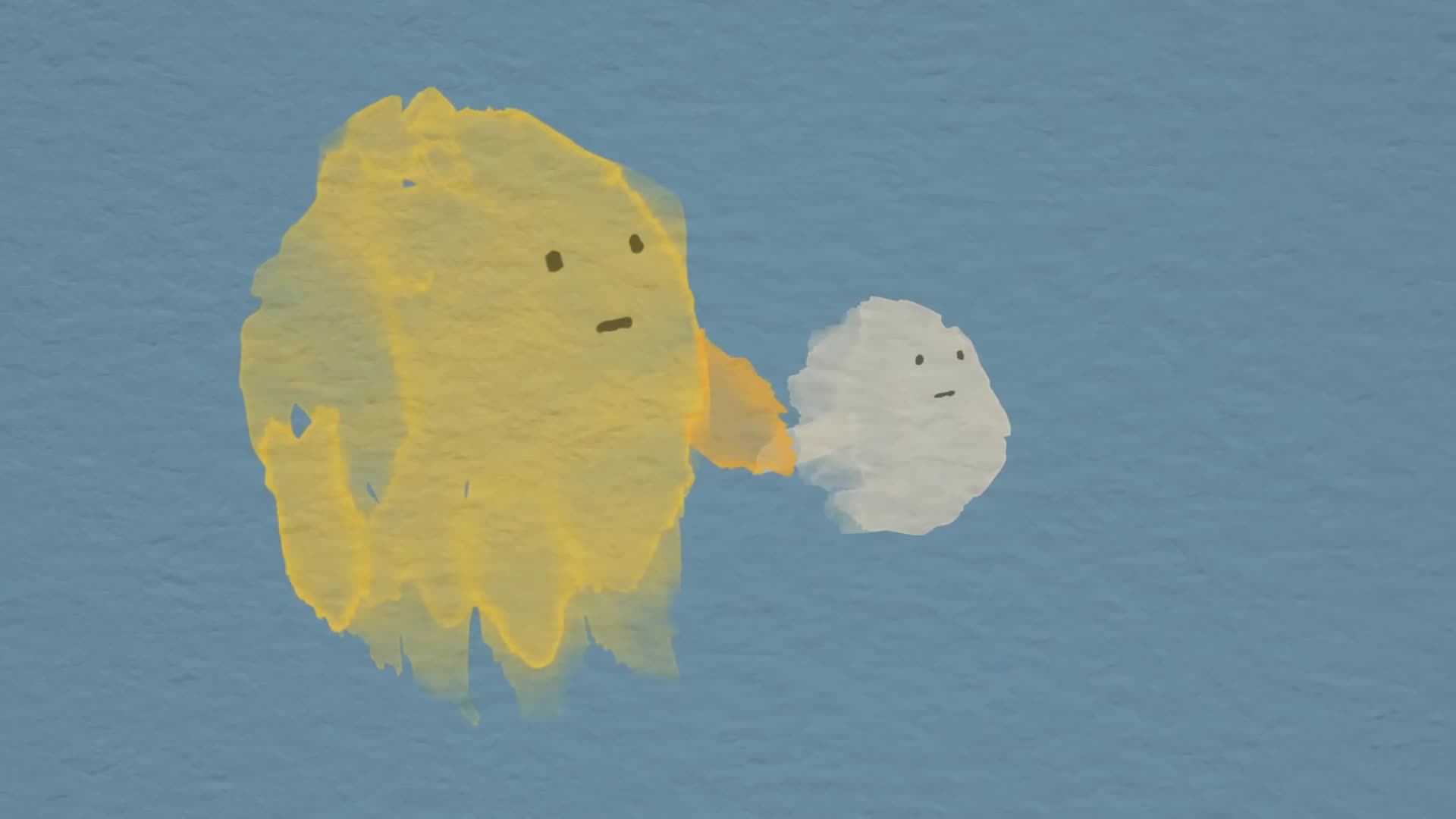
[The Paradox of Anxious Love: Why Desperation Destroys Connection]-[The Person Who Wants Love So Much They Never Get It]
📋 Summary
The Paradox of Anxious Love: Why Desperation Destroys Connection
In the landscape of modern romance, we often encounter individuals who pursue connection with a singular, intense focus: they are "dating with intent." This intent is not merely to enjoy the company of another, but to "form a complete life with someone" and "stop ever having to date anyone else again." While this level of commitment may initially appear as a "hugely moving picture of love," it often masks a deeper, more destructive psychological framework. By examining the behavior of those who love with too much fear, we can uncover why the very intensity of their desire for security becomes the primary catalyst for the abandonment they dread most.
The Roots of Perpetual Instability
The driving force behind this relentless pursuit is often a long-standing history of loneliness, potentially dating back to childhood. For these individuals, early experiences of love were "shattered or compromised," leaving them with a core belief that the world is inherently unstable. Because they feel that "love always seems on the verge of getting extinguished," they perceive nothing as "solid." Consequently, they adopt a strategy of survival: they "move very fast and hold on very tightly." This is not a choice made from a place of abundance, but a desperate reaction to a perceived existential threat.
The Cycle of Worry and Aggression
The tragedy of this attachment style is that the internal "worry about how safe love is" manifests as external hostility. The individual constantly interrogates their partner, asking, "Are you sure you're okay?" or "Is this for real?" When the internal anxiety spikes, it is projected onto the partner through "harsh" behavior. The podcast notes that:
- Anger becomes inevitable: Small infractions, like a partner coming home "ten minutes late," are interpreted as signs of impending loss.
- Unfounded accusations: Paranoia regarding an "ex" or perceived flirting with a "waiting staff" leads to the destruction of peaceful moments.
- Destructive communication: In a bid to be "reassured," the worried person often resorts to calling their partner "ungrateful" or threatening to leave, effectively creating the very pressure they fear.
This behavior creates a paradoxical dynamic: they want to be told they matter, yet they are so "alarmed" that they end up choosing to "attack, criticise, create pressure and destroy."
The Self-Fulfilling Prophecy of Abandonment
For the partner on the receiving end, this experience is profoundly "dispiriting." Despite repeated reassurances—such as spending hours "trying to unpick a fight about nothing" or proving that they are not "having an affair"—the anxious lover remains unconvinced. The partner eventually exhausts their emotional reserves, realizing they "don't have the energy to explain once again."
By a "terrible irony," the worried person succeeds in triggering the exact outcome they spent the entire relationship trying to prevent: the partner decides they "just can't take it anymore" and leaves. The intensity of the demand for security becomes the "very element that renders it dangerous."
Breaking the Cycle
The podcast concludes by highlighting a profound lesson about emotional maturity. If we did not experience "security in childhood," we are prone to seeking it with "excessive urgency" in adulthood, which only leads to a "double punishment and exclusion." The path forward requires a radical shift in perspective: we must learn to "believe that trust and goodness could be real" even in the absence of absolute certainty. Only by tempering our fear can we provide the space for love to actually become the stable, enduring force we so desperately crave.

Deep Learning with ListenLeap


