
[The Macabre Origins and Evolution of the Paris Catacombs]-[The haunting history of the Paris Catacombs - Stephanie H. Smith]
📋 Summary
The Macabre Origins and Evolution of the Paris Catacombs
The Collapse at the Cemetery of the Innocents
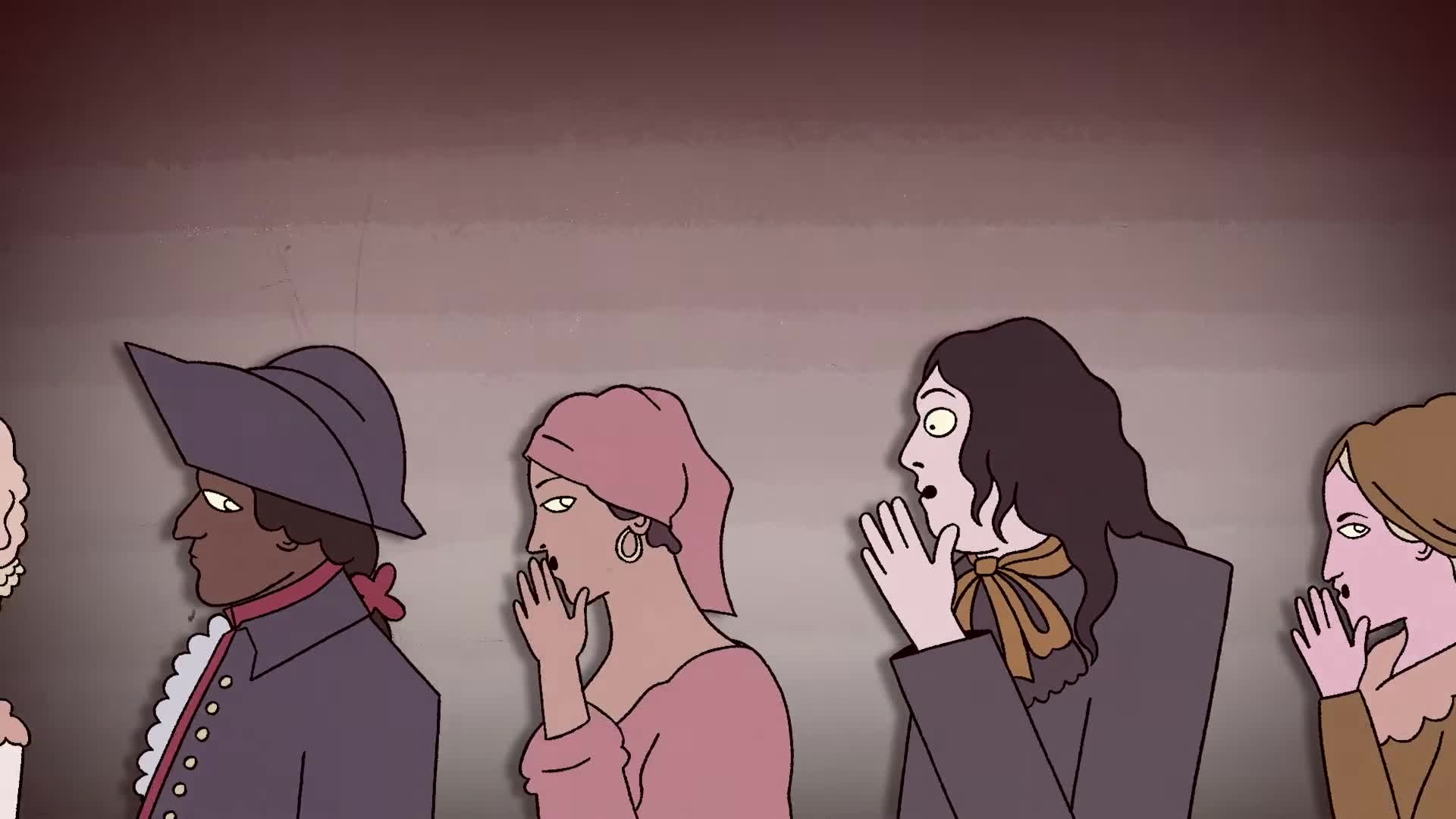
In 1780, Paris faced a gruesome urban crisis. Heavy spring rains caused a basement wall to collapse near the Cemetery of the Innocents, resulting in a horrifying "flood of decomposing corpses remains." This event sparked widespread panic, as citizens feared that the "bad air"—or "miasma"—emanating from the decaying flesh was causing illness throughout the city. For centuries, the Innocents had served as the city's largest burial ground, but by the 18th century, it had become dangerously overcrowded, housing generations of Parisians in a state that physicians and Enlightenment thinkers increasingly viewed as a severe "public health threat."
Scientific Misconceptions and the Fear of Miasma
The shift in perspective regarding urban cemeteries was driven by new scientific ideas that linked hygiene to health. Although the concept of germs was not yet understood, the medical community believed that disease spread through "miasma," or foul-smelling air. Consequently, the "cadaverous odors" wafting from overcrowded cemeteries were not merely unpleasant; they were seen as a source of contagion. Even after the Innocents and other urban cemeteries were closed in the early 1780s, the lingering smells continued to plague residents, forcing the government to seek a permanent solution for the millions of remains interred within the city limits.
Engineering the Underworld: From Quarries to Crypts
Paris possessed an unlikely solution beneath its own streets: a vast, abandoned network of quarries. Dating back to Roman times, these mines had provided the limestone and plaster for the city’s expansion, but by the 18th century, they had become unstable, creating "deadly sinkholes" under the weight of the city. In 1777, King Louis XVI commissioned engineers to reinforce the tunnels. By 1785, Charles Axel Guy L'Hommeau, the Inspector General of Quarries, was tasked with the morbid objective of converting these tunnels into a massive crypt. Despite initial resistance from the Catholic Church—which feared losing income from burial and maintenance fees—public health concerns ultimately prevailed.
The Logistical Challenge of Relocation
The relocation of millions of remains was a "distinctly modern project," prioritized for efficiency rather than memorialization. To avoid public distress and limit exposure to the miasma, the transfer was conducted primarily at night. Workers dug up "millions of anonymous bones" by hand, carting them across Paris to be dumped unceremoniously into the catacombs. While the French Revolution caused temporary delays, the site briefly served as a repository for victims of the 1792 September massacres, proving that the catacombs could function as a place where "inconvenient bodies could disappear."
Curation and the Confused Equality of Death
By 1809, Napoleon Bonaparte recognized the potential of the space as a monument. He ordered that a section of the catacombs be curated for public viewing. Workers artfully arranged "facades of skulls and femurs" and hung quotes reflecting on the "fleeting nature of life." This transformation turned a chaotic dumping ground into a popular tourist destination. Because the bones had been interred without regard for status, the catacombs became a profound symbol of what a 19th-century photographer termed the "confused equality of death." In this subterranean space, aristocrats lay beside neighbors, and raiders beside defenders, stripped of their social identities.
A Shared, Inevitable Future
The relocation process continued intermittently for over a century, with some reports suggesting remains were moved as late as the 1930s. Today, the catacombs house the remains of an estimated six million Parisians. As visitors traverse these caverns, they encounter more than just history; they are met with a haunting reminder of our "shared, inevitable future." The catacombs remain a testament to how the challenges of the past—in this case, urban sanitation and mortality—continue to shape the landscapes of the present.

Deep Learning with ListenLeap


