
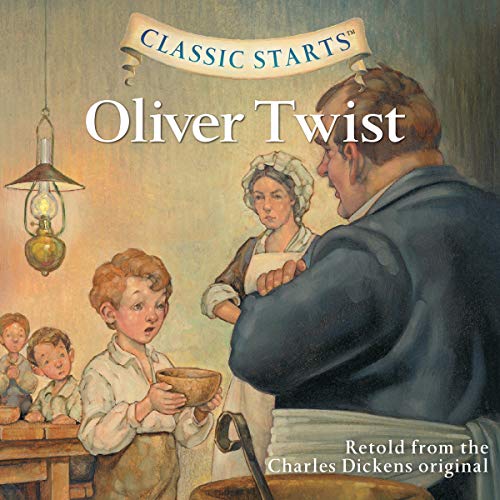
[Oliver Twist: The Defiance and Departure]-[Oliver Twist - Part 07]
📋 Summary
The Transformation of Oliver Twist: Rebellion and Escape
The Shift from Subservience to Defiance
Chapter Six marks a pivotal transformation in Oliver’s character. Initially arriving as a "quiet, shy boy," Oliver is now unrecognizable to those around him. The narrative reveals that Oliver is actively resisting his circumstances, famously "banging on the coffin lid" and demanding his release. This physical manifestation of his frustration highlights that he is no longer the submissive orphan the workhouse expected him to be. When Mr. Bumble attempts to exert his authority, asking, "Aren't you afraid of me, Oliver?", Oliver’s direct refusal—yelling "No!"—shocks his superiors, signaling the end of his compliance.
The Absurdity of Institutional Control
Mr. Bumble’s reaction to Oliver’s behavior provides a biting critique of the period's institutional mindset. Rather than acknowledging Oliver's mistreatment, Bumble attributes the boy’s newfound spirit to a biological cause: "It's meat." He insists that Oliver has been "overfed" and that this excess has "raised a spirit in him." This dialogue underscores the dehumanizing nature of the workhouse system, where even basic nutrition is viewed as a dangerous luxury that might incite insubordination. The adults—Mr. Bumble, Mrs. Sourberry, and Noah—conspire to frame Oliver as having "suddenly gone mad without cause," conveniently ignoring the environment of abuse that triggered his reaction.
The Decision to Flee
Despite Mr. Sourberry’s initial belief that Oliver "showed promise" and was "more reliable than Noah," the pressure from the rest of the household forces a decision to return the boy to the workhouse. As Noah locks Oliver in the cellar, the boy is left in the dark to reflect on his future. The text notes that while Oliver "missed his friends, especially Dick," the prospect of returning to the workhouse is an unbearable reality. It is in this isolation that Oliver matures, concluding that "the thing to do... is to run off and make my fortune."
The Journey Toward London
Choosing self-preservation over victimization, Oliver executes a calculated escape. He waits until the "first light of dawn" and demonstrates resourcefulness by stacking crates to reach a window. His exit is deliberate and focused. Armed with his "small bundle" and a clear destination, he turns toward London. The city represents more than just a geographic location; to Oliver, it is a "city filled with opportunities" where he is "sure to be a success." By following the road signs toward London, Oliver symbolically leaves behind the suffocating constraints of his previous life, marking the beginning of his journey into the unknown world where he intends to forge his own identity.

Deep Learning with ListenLeap


