
[Navigating Parenthood: Understanding Braxton Hicks and Emotional Support]-[No Uterus, No Opinion | Friends]
📋 Summary
Navigating Parenthood: Understanding Braxton Hicks and Emotional Support
The Unexpected Scare
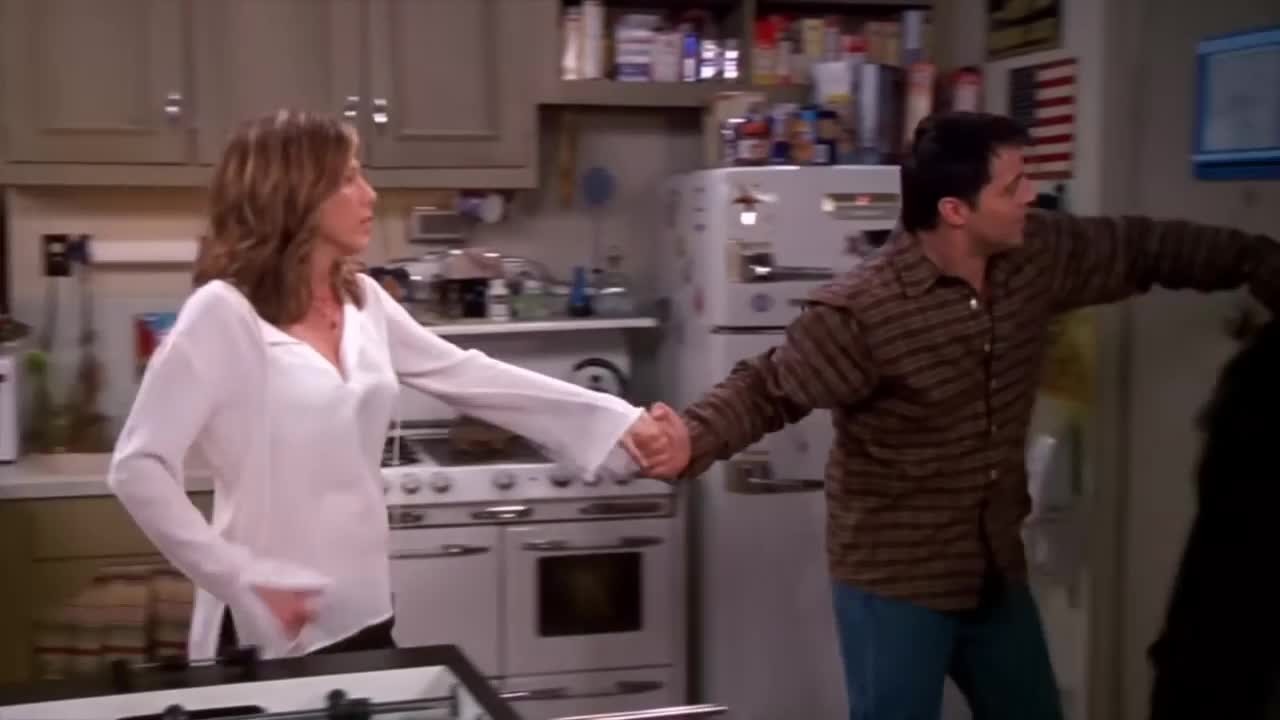
The podcast excerpt captures a tense moment where a pregnant woman experiences physical distress, leading her companion, Joey, to rush her to the hospital. The dialogue highlights the vulnerability of expectant parents when faced with physical symptoms they do not fully understand. Joey attempts to provide reassurance, drawing on anecdotal experience from his sisters, stating, "When my sisters were pregnant, they got every weird feeling in the book, and it was always nothing." This scene underscores the anxiety inherent in pregnancy and the necessity of seeking professional medical validation.
Demystifying Braxton Hicks Contractions
Upon examination, the medical professional diagnoses the situation as "Braxton Hicks contractions," which are described as "mild discomfort caused by contractions in the uterine wall." The doctor notes that while these sensations can be "unnerving if you don't know what they are," they are ultimately harmless to both the mother and the baby.
Interestingly, the reaction to this diagnosis varies greatly among the characters. While the doctor views them as a routine occurrence, the expectant father, Ross, expresses relief, remarking, "That's no big deal. Most women don't even feel them." This dismissive attitude is met with a sharp retort from the mother, who asserts, "No uterus, no opinion," highlighting the disconnect between medical observation and the lived experience of pregnancy.
The Role of Emotional Support and Composure
A significant theme in this discussion is the performance of calmness during a crisis. Joey admits to the mother that his outward display of composure was merely a facade, confessing, "I wasn't calm. I've never been more scared in my entire life." This revelation provides a humanizing look at support systems; Joey prioritizes the mother's emotional stability over his own panic. His ability to maintain a steady demeanor, despite being "not a doctor" and having no professional medical training, serves as a vital anchor for the mother during a frightening moment.
Fatherhood and Responsibility
The narrative also touches upon the internal pressures felt by fathers. Ross expresses guilt for not being present, stating, "I mean, it should have been me. I'm the dad." This sentiment reflects the desire for active participation in the pregnancy journey. The doctor validates this by offering positive reinforcement, telling Ross, "You're going to make a wonderful father," and acknowledging that bringing the partner to the hospital was "the right thing."
Conclusion
Ultimately, the conversation illustrates that parenting is as much about managing emotional responses as it is about medical readiness. Whether dealing with "mild discomfort" or the existential fear of the unknown, the support of friends and partners is essential. The humorous closing remark about the doctor preferring someone who brought "Twizzlers" serves as a reminder that even in serious medical settings, the levity and the small gestures of care—like bringing snacks to a concession stand—help navigate the complex and often stressful transition into parenthood.
Deep Learning with ListenLeap


