
[The Enigma of the Nazca Lines: Ancient Art and New Discoveries]-[The New Nazca Lines]
📋 Summary
The Enigma of the Nazca Lines: Ancient Art and New Discoveries
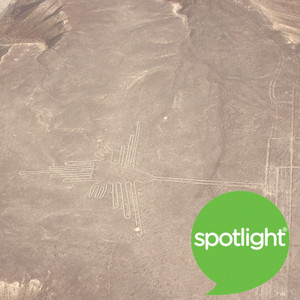
High above the Peruvian desert, the landscape is scarred by vast, mysterious markings. Known as the Nazca Lines, these massive geoglyphs—depicting birds, insects, and humanoid figures—have long puzzled historians and scientists. While fringe theories once suggested the influence of "foreign beings" using "modern technology," the reality points to an incredible feat of human ingenuity by the Nazca people, who inhabited the region between 500 BC and 500 AD.
The Technique of Ancient Artists
One of the most persistent questions is how an ancient culture, lacking aerial vantage points, could create such precise, kilometers-long geometric shapes. Some researchers once hypothesized the use of "early hot air balloons," but balloonist Julian Knott noted a lack of evidence for such flight capabilities. Instead, the process was likely a testament to simple, clever engineering. The desert floor consists of a thin layer of "red soil" covering "white coloured rock." By simply removing the top layer of earth, the Nazca could expose the contrasting colors beneath. With a lack of wind to erode these markings, the shapes remained preserved for nearly two millennia.
The AI Revolution in Archaeology
For decades, the discovery of these lines was a slow, manual process. However, the landscape of research shifted dramatically in 2024. Researcher Masato Sakai and his team at Yamagata University utilized artificial intelligence to scan high-resolution imagery of the desert. While it took experts over a century to identify 430 shapes, the AI program uncovered an additional 303 in just six months. These new findings are critical because many are significantly smaller than the famous, massive geoglyphs and feature complex imagery, such as "fish holding knives" or the "heads of dead enemies."
Unraveling the 'Why'
Despite advancements in technology, the fundamental question remains: Why would a culture invest such immense labor into art that is best viewed from the sky? Several theories persist:
- Religious Ceremonies: Many experts believe the lines served as sacred spaces where the Nazca performed "religious services to ask their gods for rain."
- Astronomical and Practical Mapping: Some suggest the lines acted as markers for the stars, or as guides to help people "find water" in a harsh, arid environment.
- Cultural Symbolism: The discovery of animals native to the Amazon rainforest, hundreds of kilometers away, suggests these geoglyphs held deep symbolic meaning related to "growth or farming."
A Legacy Preserved
Comparing the Nazca to their predecessors, the Paracas people, offers further insight. While the Paracas carved shapes into hillsides visible from their villages, the Nazca chose to create art that was largely invisible from the ground. This suggests a shift in cultural purpose, potentially moving from community-visible art to offerings intended for the sky or the gods.
Regardless of their original intent, the Nazca Lines are now recognized as a vital component of human history. In 1994, UNESCO designated the area as a World Heritage Site, ensuring that these "important markers of what humans are able to do" are protected for future generations. While the mystery of the Nazca's motivation may never be fully solved, the lines remain a powerful testament to the complexity and ambition of ancient civilizations.

Deep Learning with ListenLeap


