
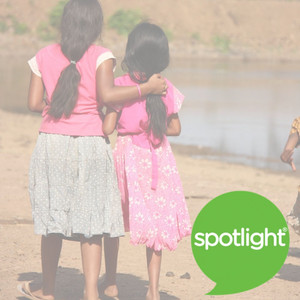
[New Names, New Lives: Transforming the Identity of Unwanted Girls in India]-[New Names for Unwanted Girls]
📋 Summary
Reclaiming Identity: The Renaming Ceremony for India's 'Unwanted' Girls
In the Satara district of Maharashtra, India, a profound social initiative is underway, aimed at dismantling the deep-seated cultural prejudices against girl children. This movement centers on a poignant renaming ceremony, where hundreds of girls, previously burdened with names signifying their status as an unwanted family addition, have been empowered to redefine their own identities.
The Cultural Weight of 'Unwanted' Names
For generations, many families in India have favored sons over daughters, viewing boys as financial assets capable of supporting parents and performing death rituals. Conversely, girls are often perceived as a financial liability, primarily due to the traditional practice of paying a large dowry upon a daughter’s marriage. This systemic bias has led to tragic outcomes, ranging from neglect and malnutrition to extreme cases of infanticide, resulting in a skewed gender ratio where, as reported by Zubair Ahmed, there are only 880 girls for every 1,000 boys in certain regions.
To express their disappointment at the birth of a girl, some parents intentionally bestow names that carry heavy, derogatory meanings. As shared by a 16-year-old girl named Sakshi, she was known her entire life as "Nakusha," the Marathi word for "unwanted." Other girls are given names like "Dagadi" or "Dondi," which mean "stone," symbolizing the girl as a "heavy load" that the family is forced to carry. These names serve as constant, public reminders of their perceived lack of value.
A Catalyst for Psychological and Social Change
Dr. Bhagwan Pavar, the district health officer, recognized that these labels were not merely names; they were psychological burdens that shaped the girls' self-perception. He noted that many of these girls "feel bad about it" and that the name significantly "influences how they feel about themselves." In October 2011, Dr. Pavar, alongside local activist Sudha Kankaria, organized a landmark ceremony to legally change the names of 285 girls.
During this ceremony, the girls were encouraged to choose names that reflected strength, beauty, or empowerment—often drawing inspiration from goddesses or Bollywood actresses. Sakshi, who chose her new name because it means "witness," explained the significance of the event, stating, "I was going to be a witness to a historic event and become a part of it too."
Lasting Impact and Future Implications
The ceremony provided more than just a symbolic gesture; it offered legal legitimacy. Government officials issued certificates and updated school records to reflect the new names, ensuring the change was official. For participants like Sakshi, the transformation was internal and profound: "I feel like a new person. I feel confident. It will change my life forever."
Beyond individual empowerment, the initiative seeks to shift broader societal attitudes. Sudha Kankaria emphasizes that this project is crucial for breaking the cycle of gender discrimination, noting that it provides positive results for "the Nakusas of today and the future Nakusas." While changing deep-rooted social opinions remains a "difficult and slow process," initiatives like this provide a vital foundation for ensuring that the next generation of girls in India grows up with dignity, confidence, and a name that celebrates their existence rather than questioning it.

Deep Learning with ListenLeap


