
[The Art of Honoring Your Soul: Finding Unshakable Happiness]-[Most Religions Agree on the Cause of Happiness]
📋 Summary
The Philosophy of Self-Sufficiency: Honoring Your Soul
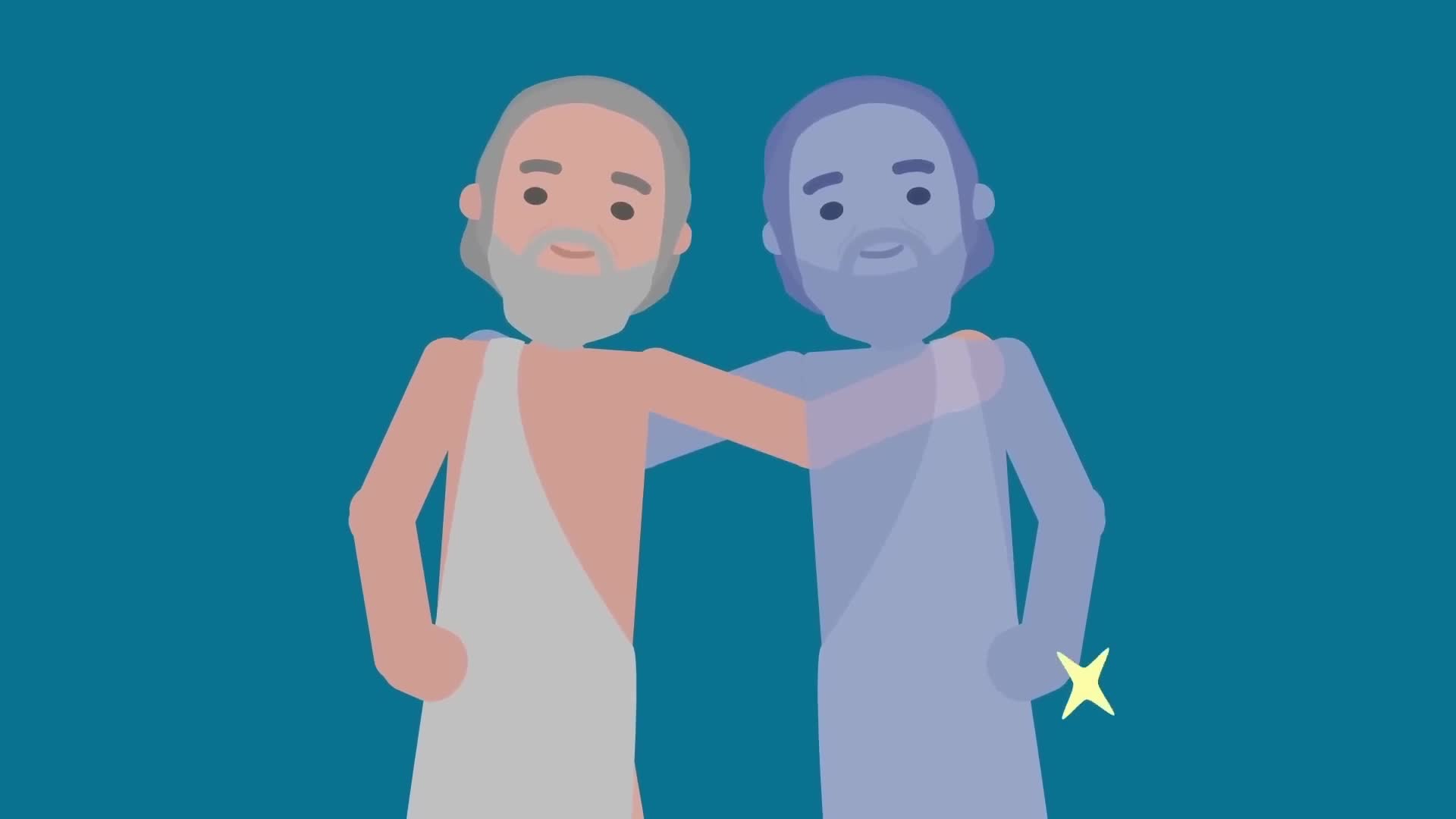
Throughout history, from the teachings of Socrates and the Stoics to the wisdom found in the Bhagavad Gita and the Bible, a singular, recurring theme emerges: the imperative to "honor your soul." This summary explores the profound philosophical concept that true happiness is not found in external acquisitions, but in the internal commitment to one's own soul.
The Trap of External Needs
Seneca, the ancient Roman philosopher, posited that a wise man requires nothing from the world other than the honor of his own soul. The speaker argues that human suffering stems from the desire for things we do not possess—a "bigger home," "fancier clothing," or "prestigious job." This cycle of needing is described as a "never-ending pit towards hell."
The fundamental problem with needing external things is their inherent impermanence. Everything in the material world—money, possessions, and even our bodies—is subject to change and can be taken away. By tying our happiness to these fragile, external variables, we surrender our peace of mind to forces outside our control. In contrast, "needing nothing from the world" allows an individual to remain happy regardless of their outer circumstances.
The Soul as the Only True Possession
If external goods are fleeting, what is permanent? The speaker identifies the soul as "the only thing we truly seem to own." It is the foundational essence that differentiates the living from the nonliving. Because the soul is always with us, it is the only entity that requires no time to acquire. By shifting our focus from external accumulation to the internal cultivation of the soul, we transition from a state of deficiency to a state of self-sufficiency. Achieving this need is entirely within our control, making happiness an "inevitable" outcome.
Living in Accordance with Values
How does one actually "honor their soul"? The answer lies in living in accordance with one's "deep internal values." When we act based on our core beliefs, we honor our soul; conversely, living by the values of others results in dishonor. The wise man understands that honoring his soul is his primary purpose. This purpose is framed within a cosmic context: just as water is formed by the union of hydrogen and oxygen, the individual is the "effect of a chain of causes" stretching back to the beginning of time. Living in alignment with these values is the fulfillment of that birth-necessity.
The Price of Integrity
Honoring the soul is simple in definition but difficult in practice. The speaker cites historical figures like Socrates and Jesus, who maintained their integrity even when it led to imprisonment, death, or crucifixion. Their greatness and lasting legacy were direct consequences of their refusal to compromise their souls. By choosing to live by their own values, they fulfilled the purpose for which they were born.
Conclusion
Ultimately, the pursuit of happiness is not about filling a void with more possessions, but about recognizing that we already possess the one thing that matters: our soul. By centering our lives around this internal reality, we become immune to the instability of the external world. As the speaker emphasizes, the wise man remains happy because the only thing he truly needs—honoring his soul—is a goal he can fulfill in every moment, by his own hand.
Deep Learning with ListenLeap


