
[Beyond the Glass: A Comprehensive Guide to Hydrating Through Nutrition]-[What are the most hydrating foods?]
📋 Summary
Beyond the Glass: A Comprehensive Guide to Hydrating Through Nutrition
Staying hydrated is fundamental to maintaining physical fitness and overall health. While the general health recommendation suggests consuming between "a litre and a half to two litres of water a day," many individuals find it challenging to meet this target consistently. Often, people wait until they feel thirsty to drink, but as the podcast highlights, "thirst signals that your body has already lost about half a litre of water." Relying solely on liquid intake is not the only strategy; your diet plays a significant role in maintaining optimal hydration levels.
The Power of Water-Rich Vegetables
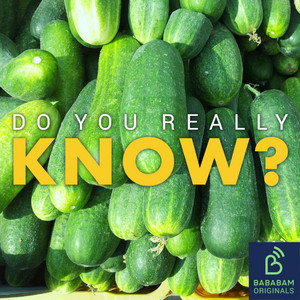
Nature provides several excellent sources of hydration through vegetables. Cucumbers are a standout choice, consisting of "96% water." Beyond their hydration capabilities, they are "low in calories and gentle on the intestines," making them a perfect addition to salads or as a base for dishes like tzatziki. For those looking for seasonal variety, "aubergines and courgettes" are exceptional options for winter. Both vegetables are "95% water" and are packed with pectin, a fiber that is instrumental in helping to "lower the glycemic index" and "control blood sugar levels."
Fruit as a Recovery Tool
Watermelon is identified as a true "hydration hero," containing "91% water." It serves as more than just a refreshing snack; consuming a "juicy slice after a workout" is highly effective. It not only assists in rehydration but also plays a critical role in muscle recovery by helping to "flush out lactic acid from your muscles," which subsequently reduces the likelihood of experiencing cramps.
Dairy and Nutrient-Dense Hydration
Hydration can also be achieved through dairy products. Yogurts, for example, are roughly "90% water" and provide essential nutrients including "calcium, iodine and vitamin B12." Similarly, a simple glass of milk is noted as a great way to "recharge your batteries" while meeting daily fluid requirements.
The Importance of Preparation Methods
How you prepare your food is just as important as what you eat. To ensure you are benefiting from the maximum water content in your meals, the podcast advises being mindful of cooking techniques. Specifically, one should "avoid grilling" vegetables, as this process causes them to "lose moisture." Instead, it is highly recommended to "opt for steaming or cooking in foil," particularly when preparing fish, which is naturally rich in water.
What to Avoid: Dehydrating Culprits
Not all beverages contribute to your hydration goals. In fact, some can actively work against them. "Sugary soft drinks" are problematic because they "can prevent your body from storing water properly." Furthermore, certain common beverages such as "coffee, tea and alcohol" are described as "highly diuretic," meaning their consumption can ultimately "lead to dehydration." By choosing your foods and beverages wisely, you can maintain better hydration without the struggle of relying exclusively on plain water.
Deep Learning with ListenLeap


