
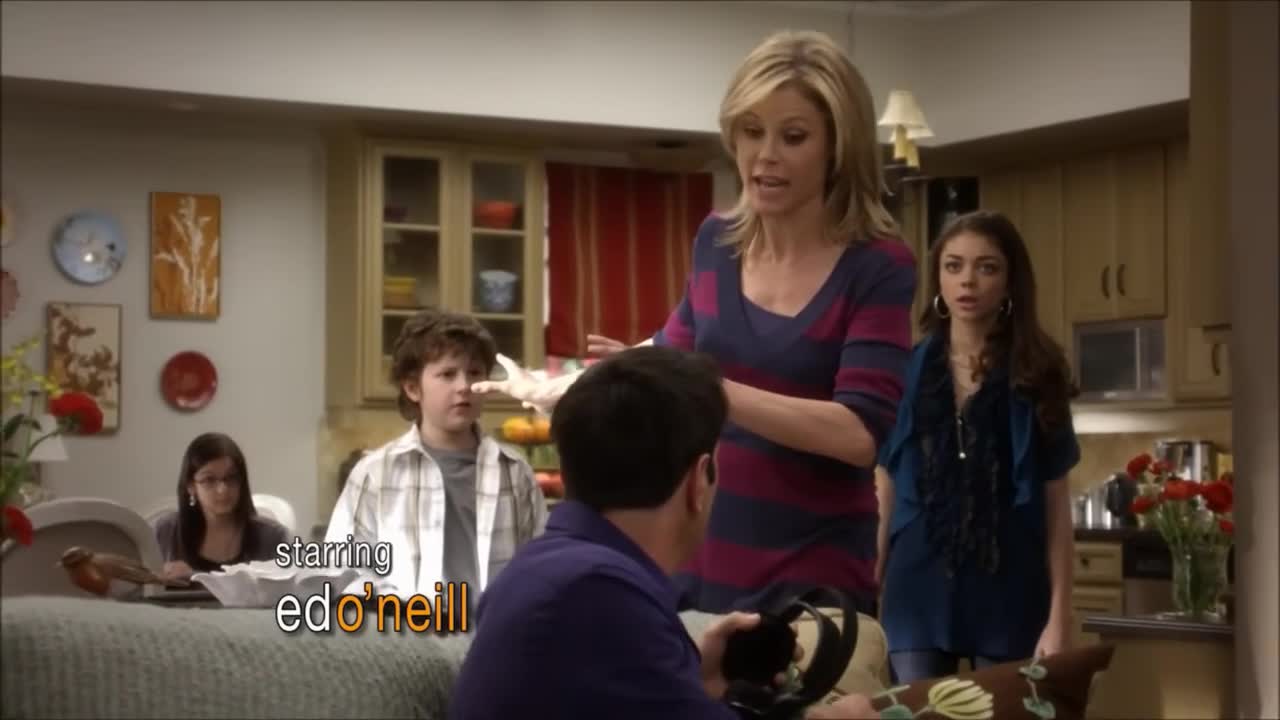
[The Art of Strategic Parenting: Navigating Chaos and Empowering Independence]-[Modern Family - Haley making cupcakes]
📋 Summary
The Art of Strategic Parenting: Navigating Chaos and Empowering Independence
In the whirlwind of family life, parents are often faced with sudden, high-pressure demands. This transcript captures a quintessential moment of domestic chaos where a mother, Claire, finds herself managing multiple urgent school projects—Luke’s unfinished assignment and Haley’s last-minute request for 40 cupcakes. Rather than succumbing to the stress of being overwhelmed, the narrative unfolds into a masterclass on strategic parenting, psychological maneuvering, and the delicate balance between control and autonomy.
The Strategy: Putting the "Cheese in the Trap"
The central theme of this interaction is what the family members identify as the art of manipulation—or, as they put it, "putting the cheese in the trap." When faced with a parent who is "not dumb," children realize that direct requests often fail. Instead, they must employ a more subtle approach. By framing tasks as collaborative or educational opportunities, the parent effectively guides the children into taking ownership of responsibilities they might otherwise avoid. This psychological "trap" transforms a chore into an activity that feels like a choice, allowing the children to engage willingly with the work at hand.
The Lesson of "Egg Cracking": Empowerment Through Participation
One of the most telling moments occurs during the preparation of the cupcakes, specifically the act of "egg cracking." Initially, the mother attempts to demonstrate the "proper" way to handle the task, but quickly steps back to allow her children to take the lead. Even when complications arise—such as the frustration of getting "shell in the bowl"—the mother maintains a supportive stance rather than taking over. By stating, "I showed you how to make them, and now you can do it yourself," she pivots from being the primary executor of tasks to being a mentor. This transition is crucial; it fosters a sense of agency in the children, even if the results are imperfect.
Reframing Failure: Turning Chaos into Growth
Throughout the process, the mother utilizes positive reinforcement to keep the momentum going. Phrases like "Way to go, buddy" and "I really couldn't be more proud of you" serve as emotional anchors. When the children struggle, such as when one child realizes, "Oh, I got some shells in them," the mother avoids harsh criticism. Instead, she chooses to "make it fun," effectively lowering the stakes of the high-pressure situation. This approach minimizes the anxiety associated with academic and extracurricular deadlines. Even when the results are questionable—leading the mother to jokingly ask, "Do we still have the number for poison control?"—the priority remains the development of the children's confidence rather than the perfection of the cupcakes.
The Final Shift: From Oversight to Independence
As the scene concludes, the mother makes the ultimate move in fostering independence: she encourages her children to leave for school while she takes on the final cleanup. By telling them to "get out of here" and affectionately labeling one child as "Betty Crocker," she successfully offloads the burden while ensuring the children feel capable and accomplished.
Ultimately, this episode illustrates that effective parenting in a crisis is not about doing everything for the children, but about strategically involving them in the process. By managing their expectations and providing a supportive environment, the mother successfully navigates a potential breakdown, turning a stressful morning into a moment of genuine connection and growth.
Deep Learning with ListenLeap


