
[The Saucy Split: Navigating Partnership and Ambition in Business]-[Modern Family - Gloria and Cam's Breakup]
📋 Summary
The Breakdown of a Culinary Partnership: Lessons in Ambition and Conflict
The Catalyst for Conflict: Creative Differences and Branding
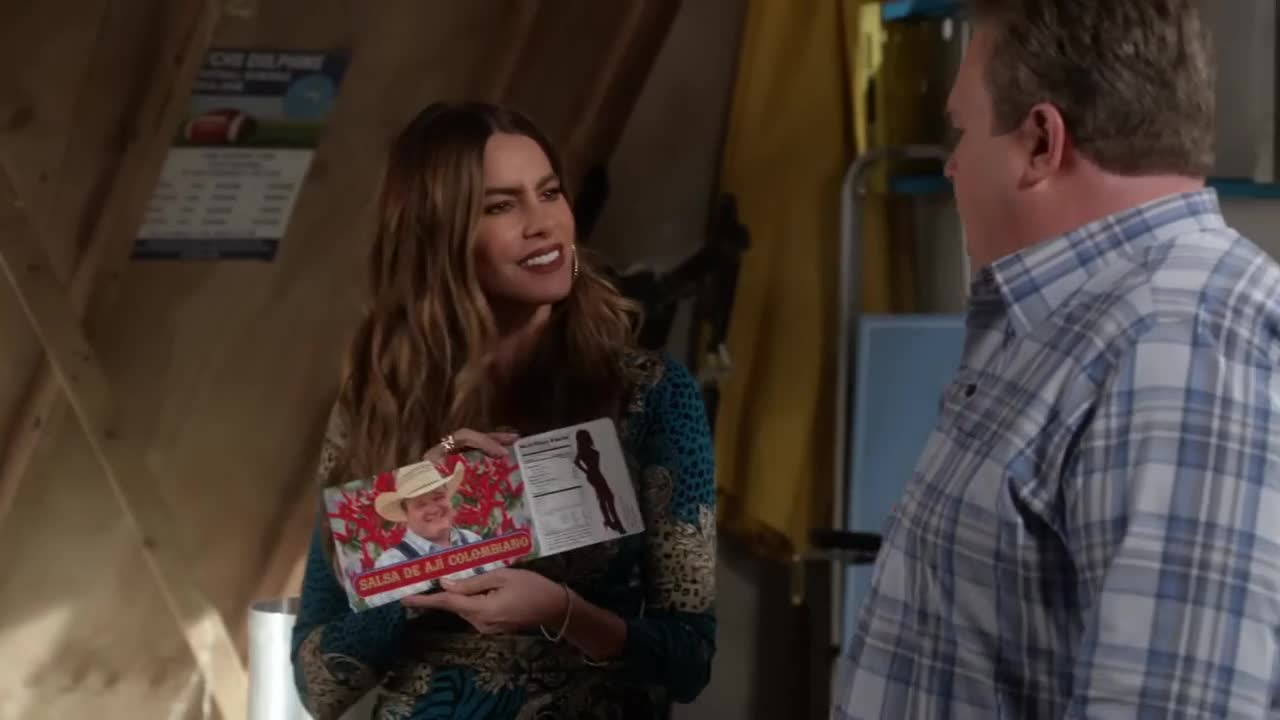
The tension begins with a disagreement over branding for a "family sauce." Cam, visibly frustrated, discovers that his business partner has mocked up label ideas without his input. The core issue transcends mere aesthetics; it touches upon the ownership of the vision. The partner’s attempt to distract customers from the "toxic amount of sodium" by placing a silhouette on the label serves as a metaphor for the deeper underlying issues in their professional relationship. Cam’s indignation—"This is my family sauce. And you have already tried to change the recipe"—highlights the friction between protecting a legacy and the commercial pressures of the business.
The Power Struggle and Personal Dynamics
The argument escalates into a personal confrontation that reveals the power dynamics at play. The partner’s assertion that Cam was "nothing but a housewife when I found you" acts as a catalyst for the dissolution of the partnership. This comment, while quickly retracted with a backhanded compliment—"Being a housewife is the hardest job on the planet. You're never not at work"—exposes the resentment brewing beneath the surface. The partner’s accusation that there is "someone else" involved suggests a fundamental lack of trust, moving the conflict from a business disagreement into a deeply personal space.
Strategic Manipulation: The Art of the Breakup
A critical turning point occurs when the dialogue shifts toward the realization that the breakup was not just a spontaneous outburst, but a strategic maneuver. The narrator reflects on their mother’s "weird power to get them [partners] to do all the work." This revelation reframes the entire business conflict: the partner knew all along that Cam "needed the motivation to create my own sauce." By pushing Cam to this breaking point, the partner effectively forced him to take ownership of his future, ultimately leading him toward the goal of getting his sauce into "granddaddy's basket."
Operational Chaos and the Reality of Production
The final act of the narrative moves from interpersonal drama to the grueling reality of production. As the team scrambles to "bottle her sauce," the environment becomes one of high pressure and physical toll. The transition from the emotional weight of a partnership ending to the physical reality of "bricks for carrying, shovels for digging" illustrates the disparity between the romanticized idea of a startup and the labor-intensive reality. As the group faces a deadline of "only 20 minutes," the focus shifts from relational grievances to the immediate necessity of teamwork, ending on a note of exhaustion as one worker complains, "My fingers hurt," and is reminded to maintain focus on the assembly line.
Conclusion
The podcast transcript provides a vivid look at the volatility of collaborative business ventures. It underscores that professional partnerships, especially those rooted in personal connections, are often tested by the tension between creative integrity and market viability. Through the strategic use of conflict as a motivator, the narrative suggests that sometimes, the most painful endings are necessary catalysts for individual professional growth and the eventual realization of one's own vision.
Deep Learning with ListenLeap


